Blogs

Real Estate Legal Help for WV Homebuyers & Sellers
Reliable Real Estate Legal Support

Buying or selling a home in West Virginia involves a series of legal steps designed to protect ownership, confirm clear title, and complete the transfer. This guide walks WV buyers and sellers through those steps — from offers and due diligence to title searches and closing — and explains common FSBO risks and why an attorney review can prevent costly disputes. You’ll find practical checklists, contract clauses to watch, typical title defects and fixes, and a simple document-preparation list for settlement. We trace the buyer’s path from offer to recorded deed, outline seller duties and deed mechanics, and point out FSBO pitfalls with sensible ways to reduce risk. Throughout, the focus is on how legal counsel preserves timelines, negotiates terms, and resolves title issues, with notes about where local Charleston and Kanawha Valley counsel can help directly.
What are the essential legal steps for buying a home in West Virginia?

A West Virginia purchase generally follows a clear sequence: offer and signed purchase agreement, due diligence (inspections and financing contingencies), title search and insurance, then closing and deed recording. These steps protect buyers and lenders and reveal encumbrances that could affect ownership or financing. Knowing what happens at each stage helps buyers enforce contingencies, confirm marketable title, and avoid last‑minute surprises that can delay settlement. The sections below break these steps into a compact checklist and highlight the documents buyers should review as closing approaches.
Buyers can use this short step list to stay organized during a purchase.
Make and negotiate an offer, then sign a purchase agreement with clear contingencies.
Complete due diligence: inspections, appraisal, HOA document review, and financing approval.
Order a title search and secure title insurance to protect against hidden defects.
Close the transaction: review the closing disclosure, transfer funds, sign the deed, and record documents.
These steps form the backbone of most West Virginia purchases. Each stage requires specific documents and deadline decisions that affect closing timing and risk allocation. Careful review of the purchase agreement and contingency dates reduces the chance of forfeited deposits or lost protections.
Below is a summary table of key buyer documents and what to watch for during review.
The following table compares common buyer documents, their usual features, and the specific issues buyers should catch during review.
DocumentTypical Clauses/AttributesWhat Buyers Should Watch ForPurchase AgreementPurchase price, earnest money, contingencies, closing dateClear contingency deadlines, remedies for seller default, accurate legal descriptionInspection ReportIdentified defects, recommended repairs, timeline for remediationScope of repairs versus cost, deadlines for cure or credit, limits from any "as‑is" languageFinancing ContingencyLoan amount, appraisal condition, lender timingAppraisal triggers, final financing cutoff date, required documentationTitle CommitmentExceptions, recorded liens, easements, access rightsUnresolved liens, restrictive easements, breaks in the chain of title
This table helps buyers prioritize the items that most affect risk and enforceability before moving to title search and closing. A clear understanding of these documents sets up effective negotiation and contingency enforcement.
How does a WV homebuyer navigate the purchase agreement and due diligence?
The purchase agreement is the binding contract that sets price, contingencies, earnest money, and remedies for breach. Navigating it means spotting clauses that create or limit buyer protections. Pay special attention to financing and inspection contingencies, earnest‑money forfeiture language, possession and closing dates, and any "as‑is" disclaimers that shift repair responsibility. Due diligence should include inspections, HOA document review, utility and access confirmation, and making sure financing timelines match contract deadlines. Strictly following contingency notice periods preserves the buyer’s right to cancel and recover earnest money when conditions aren’t met.
Those diligence steps point directly to title verification, since inspection discoveries can be compounded by title or lien issues that only a search will reveal.
Why are title searches and title insurance critical for WV homebuyers?
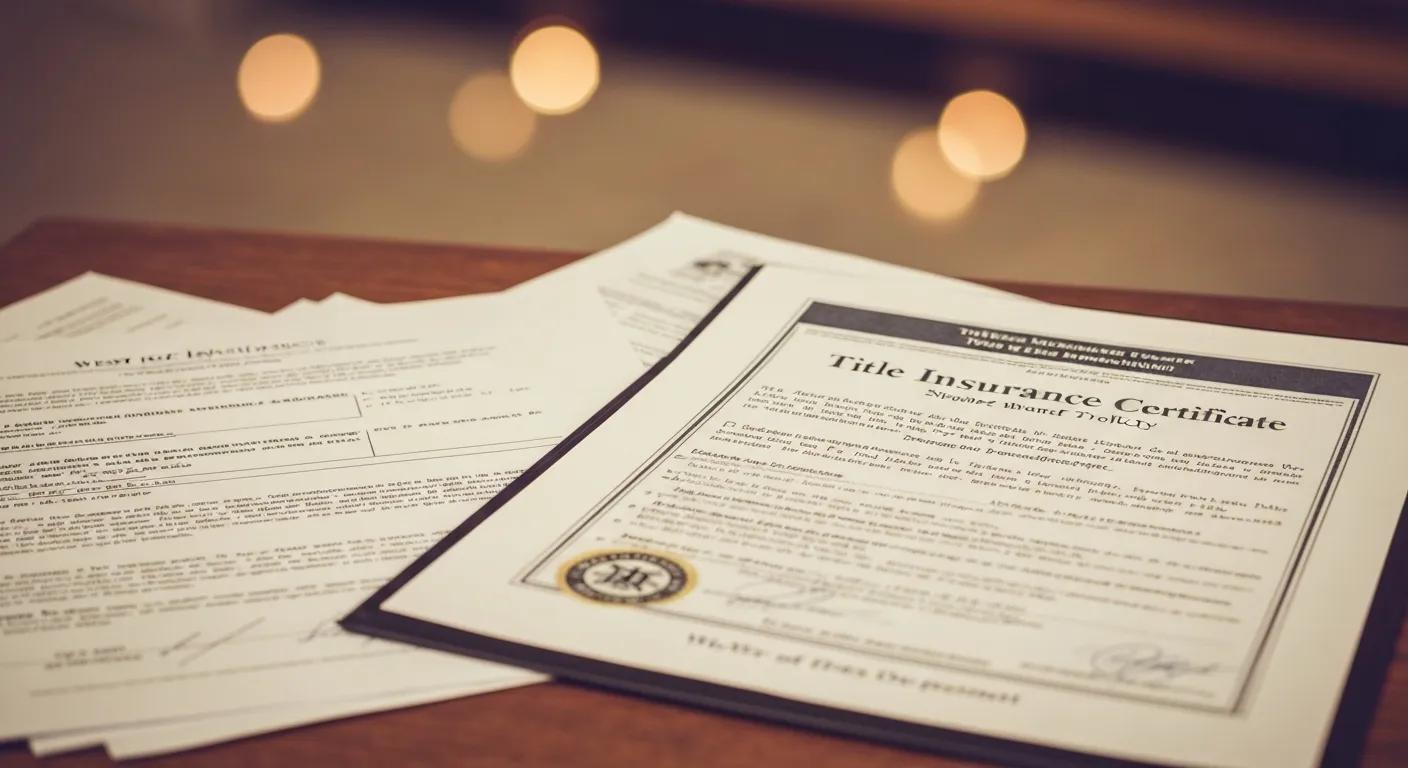
A title search reviews public records for liens, judgments, easements, or defects that could limit ownership or resale. Title insurance protects the buyer and lender against covered losses from defects missed in that search. The search exposes recorded encumbrances and chain‑of‑title issues; a title policy provides financial protection or legal defense if a covered problem later appears. Without an owner’s policy and a thorough search, buyers risk unexpected claims, priority liens, or use restrictions that can lower value or require litigation. Because title problems often emerge late, ordering the search early and reviewing the commitment helps avoid closing delays.
Knowing how title works shows why both a search and an owner’s policy should be in place before you set a firm closing date.
What legal processes should sellers follow when selling property in West Virginia?
Sellers follow legal steps from making accurate disclosures and negotiating offers to paying off liens and executing the deed at closing. Typical seller duties include completing required disclosures, responding to inspection requests, clearing outstanding mortgages or liens, and delivering a properly executed deed for recording. Proper preparation lowers the risk of post‑closing claims and prevents settlement hold‑ups. The sections below explain disclosure obligations and practical pre‑closing tasks sellers should complete to keep the sale on track.
Sellers can use this straightforward checklist to prepare their property for sale.
Prepare and provide required seller disclosures and collect relevant property records.
Respond to offers and inspection results, negotiating repairs or credits as needed.
Arrange lien payoffs, obtain payoff statements, and prepare deed execution paperwork.
Attend closing ready to sign the deed, acknowledge payoffs, and transfer possession.
Following this sequence reduces legal exposure and helps ensure funds and title transfer as planned.
Before the table below, remember that different disclosures can affect negotiations and buyer confidence.
The table below outlines common seller disclosure categories, whether they are typically required in West Virginia, and how they usually affect a sale.
Disclosure TypeRequired by WV Law?Typical Impact on SaleMaterial Defects (structure)Commonly requiredMay prompt repairs, price adjustment, or buyer withdrawalEnvironmental (underground tanks)Depends on locality and transactionCan delay closing and require remediation or indemnityLiens or AssessmentsMust be disclosed if knownRequires payoff or escrow at closing; affects seller net proceedsHOA/Restrictive CovenantsMust provide HOA documents when applicableBuyers review rules and fees; may influence their decision
Sellers who prepare accurate disclosures and fix outstanding encumbrances typically close faster and face fewer post‑closing claims. That leads into the mechanics of deed execution and final closing preparation.
What are the seller disclosure requirements and offer negotiation steps in WV?
Sellers must disclose known material defects and should gather records such as repair receipts, permits, and HOA documents in advance. Transparency reduces later claims and strengthens the seller’s position. In negotiations, sellers evaluate contingencies, proposed closing dates, and repair or credit requests; clear language on scope and deadlines minimizes disputes. Misstatements or omissions about condition or liens can trigger post‑closing claims, so erring on the side of full disclosure and keeping supporting records available is wise. Clear disclosure statements and organized documentation streamline negotiation and build buyer confidence.
Gathering disclosures and records naturally leads to arranging lien payoffs and confirming correct deed wording before closing.
How do sellers prepare for closing and deed transfer in West Virginia?
Sellers should get payoff statements for mortgages or liens, gather identification and deed forms, and confirm the legal description used for deed drafting and recording. Deeds must be signed and notarized according to county rules; recording the deed is the final step that transfers title into the buyer’s name. Sellers should also expect prorations for taxes, utility adjustments, and any negotiated credits at closing. Clearing title issues before settlement and verifying the closing statement prevents last‑minute disputes and preserves net proceeds.
Completing these pre‑closing tasks keeps the closing smoother for both sides; the next section explains the attorney’s role in contract review during these stages.
How can a real estate attorney help with contract review in West Virginia?
A real estate attorney reviews purchase agreements, explains the legal impact of specific clauses, negotiates protective language, and confirms that contingencies and deadlines reflect your interests. By spotting problematic provisions — overly broad "as‑is" clauses, vague remedies, or unrealistic closing timelines — an attorney reduces the risk of unintended obligations or lost deposits. Attorneys also coordinate with title companies, lenders, and inspectors to align schedules and resolve conflicts before closing. The list below shows the contract elements lawyers commonly scrutinize and the practical benefits of an attorney review period for buyers and sellers.
Attorneys focus on the clauses that most directly affect risk allocation and enforceability.
Financing and appraisal contingencies: protect the buyer if financing falls through.
Earnest money and default remedies: make clear when deposits are refundable and what happens on breach.
Closing date and possession terms: set realistic timelines and define handover rules.
"As‑is" and repair provisions: narrow scope and spell out seller obligations or credits.
Careful review of these clauses prevents enforceability problems and preserves negotiation leverage. Below is a brief note about how local counsel puts those protections into practice.
RWK LAW provides contract review as part of its comprehensive real estate practice areas. We analyze purchase agreements clause‑by‑clause to protect client interests, focusing on timing risks, unclear remedies, and title contingencies. With our deep understanding of local real estate law, we help clients navigate complex transactions so contingencies, earnest money provisions, and closing obligations are vetted before execution.
This description connects local legal review back to earlier points about contract structure and contingency enforcement.
What key clauses should be reviewed in WV real estate purchase agreements?
Key clauses for focused review include financing and appraisal contingencies, inspection and repair timelines, earnest‑money forfeiture rules, and any "as‑is" or waiver language that limits remedies. Each provision allocates risk at specific points: financing contingencies protect buyers if loans are denied, while earnest‑money clauses govern remedies and how deposits are handled. Attorneys look for vague cure periods, unclear notice rules, and improperly limited conditions that could weaken contingency rights. Fixing problematic language prevents disputes and preserves contractual remedies.
Those clause reviews highlight why an attorney review period is valuable during the purchase workflow.
What are the benefits of an attorney review period for WV buyers and sellers?
An attorney review period gives both parties a set window to have counsel examine the purchase agreement, suggest clarifications, and negotiate changes without triggering default remedies. Benefits include lower risk of forfeited earnest money, clearer timelines and obligations, stronger leverage for repair or credit negotiations, and a reduced chance of post‑closing litigation. In practice, a short review window keeps the transaction moving while ensuring binding commitments aren’t entered into without legal scrutiny. By catching ambiguous language and aligning deadlines with financing and inspection schedules, the review period prevents many common contract disputes.
With contract risk managed, the next critical area is title — identifying common title issues and how they’re resolved in West Virginia transactions.
What are common title issues and how are they resolved in WV real estate transactions?
Common title problems include unpaid liens, judgment liens, recorded easements, boundary disputes, and missing releases that cloud clear ownership. Resolving these typically requires payoff and release, quiet‑title actions, or negotiated easements. A title search uncovers recorded encumbrances and exceptions that must be cleared before or at closing. Title insurance protects buyers and lenders from certain hidden defects, while attorneys and title companies coordinate remedies such as lien payoffs, corrective deeds, or litigation when needed. The subsections below explain how searches reveal defects and why clear title plus insurance are essential protections.
A focused description of search sources and red flags shows how defects are found and resolved.
The table below maps common title defects to their usual causes and typical ways to resolve them.
Title DefectCommon CauseTypical ResolutionLienUnpaid mortgage, tax lien, or mechanic’s lienPayoff at closing or negotiated settlement; record a lien releaseJudgmentCourt judgment against a prior ownerSatisfy the judgment or escrow funds; sometimes pursue quiet‑titleEasementRecorded right‑of‑way or utility accessConfirm the easement scope; negotiate relocation or a formal easement agreementBoundary discrepancySurvey differences or vague historical descriptionsOrder a new survey, enter a boundary agreement, or file a corrective deed
This table helps parties and counsel prioritize resolution steps based on how each defect affects marketability and use.
Resolving title issues often requires an attorney to interpret records and obtain proper releases, which leads to how searches identify specific encumbrances.
How do title searches identify liens, easements, and boundary disputes in WV?
Title searches review county records — deed books, mortgage indexes, judgment dockets, and plat maps — to find recorded liens, easements, and prior conveyances that affect current ownership. Searchers look for unresolved mortgages, recorded mechanic’s liens, tax liens, and transfers that break the chain of title. Red flags include missing releases, inconsistent legal descriptions, or a gap in conveyances. Once issues appear, attorneys work with title insurers and lienholders to get releases, negotiate payoffs, or file corrective recordings to clear title.
Finding these encumbrances shows why title insurance and legal support are often essential before closing.
Why is clear title and title insurance vital for WV property buyers and sellers?
Clear title preserves the buyer’s ownership rights and the seller’s ability to convey marketable property; title insurance protects against financial loss from covered defects missed in the search. Without clear title, buyers can face unexpected claims, liens, or restrictions that reduce value or force expensive litigation. Owner’s policies protect a buyer’s equity, while lender policies protect the mortgagee’s interest. Pairing a thorough title search with appropriate insurance and attorney oversight reduces the chance of post‑closing surprises and helps keep the transaction certain.
With title addressed, the next step is closing — what happens and who does what at settlement.
What happens during a real estate closing in West Virginia?
A real estate closing in West Virginia is the final settlement where parties sign documents, funds are disbursed, liens are satisfied, and the deed is recorded to transfer ownership. The closing team usually includes the buyer, seller, lender representative, closing attorney or settlement agent, and sometimes real estate agents; each reviews documents and oversees funds. Typical closing documents are the deed, settlement statement, loan papers, and payoff instruments; these allocate obligations and confirm the transfer. Understanding document flow and fund mechanics reduces the chance of last‑minute issues and clarifies responsibilities for both buyer and seller.
The sections below list typical closing documents and explain fund transfers and recording steps to expect.
What documents are signed and what is the role of the closing attorney in WV?

Common documents at closing include the deed (which conveys title), the settlement statement or closing disclosure (showing financial adjustments), mortgage or deed‑of‑trust documents where financing is used, and any required affidavits or estoppel certificates. The closing attorney prepares or reviews these papers, verifies payoffs and prorations, oversees lawful disbursement of funds, and coordinates deed recording. Attorneys also walk clients through key documents, spot last‑minute title exceptions, and resolve unexpected discrepancies before signatures. Having an attorney handle these tasks reduces clerical mistakes that could delay recording or cause post‑closing disputes.
After documents are signed, the final technical steps are secure funds transfer and official deed recording.
How are funds transferred and deeds recorded in WV real estate closings?
Settlement funds usually move through escrow accounts or verified wire transfers; careful wire verification helps prevent fraud. Closing attorneys or title companies confirm payee instructions with secure verification procedures. Once funds clear and documents are signed, the deed is recorded in the county clerk or recorder’s office where the property sits, creating the public record of ownership. Recording timelines vary by county, and buyers should get confirmation after recording. Using attorney‑verified wiring instructions and prompt recording protects the legal transfer and reduces the risk of misdirected funds.
Document and fund procedures lead into an important caution: For Sale By Owner transactions and the risks they carry.
RWK LAW also assists with closing coordination and legal oversight, working with title companies and lenders to verify funding instructions, review settlement statements, and ensure proper deed recording. Our experienced team reduces closing‑day surprises and ensures legal requirements are met. Parties needing closing assistance can to discuss how we can support document review and settlement coordination.
What are the legal risks of For Sale By Owner transactions in West Virginia?
FSBO transactions raise legal risks because parties may lack professional contract drafting, disclosure review, and title coordination that agents and attorneys typically provide. Common FSBO pitfalls include incomplete or incorrect disclosures, poorly drafted contracts with unclear remedies, missed title or survey issues, and weak closing procedures that can lead to post‑sale claims or liens. Without experienced review, FSBO sellers risk liability for nondisclosure, contractual ambiguity, and unexpected payoffs that reduce net proceeds. The subsections below explain FSBO contract pitfalls and how legal representation can reduce liability.
Below is a short list of the top FSBO risks sellers should consider before proceeding without counsel.
Contract templates that leave gaps in remedies and timelines.
Disclosure errors or omissions that can trigger post‑sale claims.
Neglected title searches or surveys that later reveal liens or boundary problems.
Poor closing coordination, increasing the chance of misdirected funds or incomplete recording.
Recognizing these risks leads to practical steps sellers can take to reduce exposure, including targeted legal help before listing or signing.
What FSBO contract and disclosure challenges should sellers know in WV?
FSBO sellers often rely on generic contract forms that lack West Virginia‑specific clauses, contain unclear contingency language, or mishandle earnest‑money provisions—any of which can leave remedies uncertain and invite disputes. Disclosure omissions, especially about structural issues, liens, or environmental hazards, can give buyers grounds for later claims or rescission. Repair negotiations without professional guidance can be mishandled, and sellers may miss local practices like disclosure timing or county recording quirks. Having an attorney review contracts and disclosures ensures accurate language, appropriate timing, and compliance with local norms.
Addressing these vulnerabilities shows how legal representation can be a cost‑effective way to reduce downstream risk.
How can legal representation prevent FSBO liability and protect sellers?
An attorney helps FSBO sellers by drafting clear, enforceable contracts, preparing and reviewing statutory disclosures, coordinating title searches and survey reviews, and overseeing secure closing procedures. Lawyers can also advise on negotiating inspection results, structuring earnest‑money protections, and resolving discovered encumbrances before closing. While legal fees are an investment, they are often less than the cost of litigation, lost proceeds, or liability from mistaken disclosures. In many FSBO cases, targeted legal help prevents larger expenses and preserves seller proceeds.
RWK LAW is available to help mitigate FSBO risks through contract drafting, disclosure review, and closing oversight. Our local practice serving Charleston and the Kanawha Valley offers practical, client‑focused support for sellers who handle sales directly. Sellers concerned about FSBO exposure can to decide whether contract drafting or closing coordination — or both — best address their needs.
Why is skipping attorney review risky for WV homebuyers and sellers?
Skipping attorney review shifts legal risk to buyers or sellers by leaving contract terms, title exceptions, and closing mechanics unchecked. That can result in lost earnest money, unresolved liens, or enforceability disputes with financial and legal consequences. Early attorney involvement narrows the field of surprises by clarifying obligations, negotiating protective language, and coordinating title resolution before funds move. The subsections below outline common financial and legal consequences of proceeding without counsel and describe how RWK LAW’s local experience helps prevent those outcomes.
Knowing these consequences helps readers weigh the cost of counsel against potential exposure.
What financial and legal consequences can arise without attorney guidance?
Without attorney review, parties risk forfeiting earnest money under vague forfeiture clauses, paying for undisclosed liens or assessments discovered after closing, or facing litigation over contract interpretation and repair obligations. Boundary disputes or easements missed in searches can reduce property value or require costly corrective steps. Improperly executed deeds or recording errors can cloud title and trigger corrective deeds or quiet‑title actions, adding time and expense. These scenarios show why preventive legal review often costs less than fixing post‑closing problems.
Preventive legal oversight ties directly to the firm’s ability to provide peace of mind through experience and client focus.
How does RWK LAW provide peace of mind through expert legal representation?
Our commitment to real estate matters. We offer a full range of legal services. Our roots in Charleston and the Kanawha Valley, together with a multidisciplinary practice, position us to help clients navigate title issues and negotiate contract protections that align with West Virginia practice. By coordinating with title companies and lenders and by drafting clear, enforceable contract language, we help reduce the risk of forfeited deposits, unresolved liens, and post‑closing disputes. Prospective clients can to discuss contract review or closing assistance tailored to their transaction.
This overview connects practical risk‑reduction steps to the local legal resources available for buyers and sellers who prefer experienced counsel.
Frequently asked questions
What should I do if I discover a title defect after closing?
If you discover a title defect after closing, first check your title insurance policy — it often covers defects missed in the search. Report the issue to your title insurer to start a claim. If the defect isn’t covered or you face legal challenges, contact a real estate attorney to review options, which may include negotiating with the seller, seeking a cure from the title company, or pursuing legal action to clear title.
How can I ensure my property is marketable before selling?
To make your property more marketable, address obvious repairs and consider a pre‑listing inspection to surface issues buyers may raise. Gather documentation — disclosures, repair invoices, permits, and title records — to provide transparency. Working with a real estate attorney can help ensure disclosures meet legal requirements and reduce the risk of post‑sale claims.
What are the risks of not having a real estate attorney during a transaction?
Proceeding without an attorney can expose you to disputes over contract terms, undisclosed liens, or title problems. You may miss critical contingencies or state‑specific rules, which can cause financial loss or delay. An attorney helps you understand rights, negotiate terms, and ensure legal documents are properly executed, protecting your interests throughout the deal.
What is the role of a closing agent in a real estate transaction?
A closing agent prepares and reviews closing documents, handles the financial transactions, and coordinates among buyers, sellers, lenders, and attorneys. They verify payoffs, ensure liens are satisfied, and arrange for recording the deed. Their role streamlines closing and reduces the risk of errors that could cause disputes or delays.
How can I protect myself when buying a home in a competitive market?
To protect yourself in a competitive market, get pre‑approved for a mortgage so sellers know you’re ready to move. Work with a local agent who understands the market and can help craft a strong offer. Keep contingencies like inspection and financing in your offer to preserve protections, and have an attorney review the purchase agreement so you understand any risks before you sign.
What should I know about seller disclosures in West Virginia?
In West Virginia, sellers must disclose known material defects that affect value or safety, including structural problems, environmental concerns, and known liens or assessments. Accurate, complete disclosures reduce the risk of later claims. Collect repair records and documentation, and consult a real estate attorney to confirm compliance with disclosure obligations and protect against future liability.
Ready for Trusted Legal Guidance?
Whether you're buying or selling, ensure your real estate transaction is smooth and secure. for expert advice tailored to your needs.

If you're in need of legal help, let's talk.
Our lawyers have many years of experience, and are excited to help you with your case. Whatever your legal needs may be, we can provide the experienced legal representation you require. Let's talk about your case and see how we can help you achieve the best possible outcome. Even in circumstances in which we are unable to represent a person, we can often help find another attorney that can. So make us your first contact.
Serving Charleston and the Kanawha Valley for 125 years.




Get In Touch
Phone Number:
Address
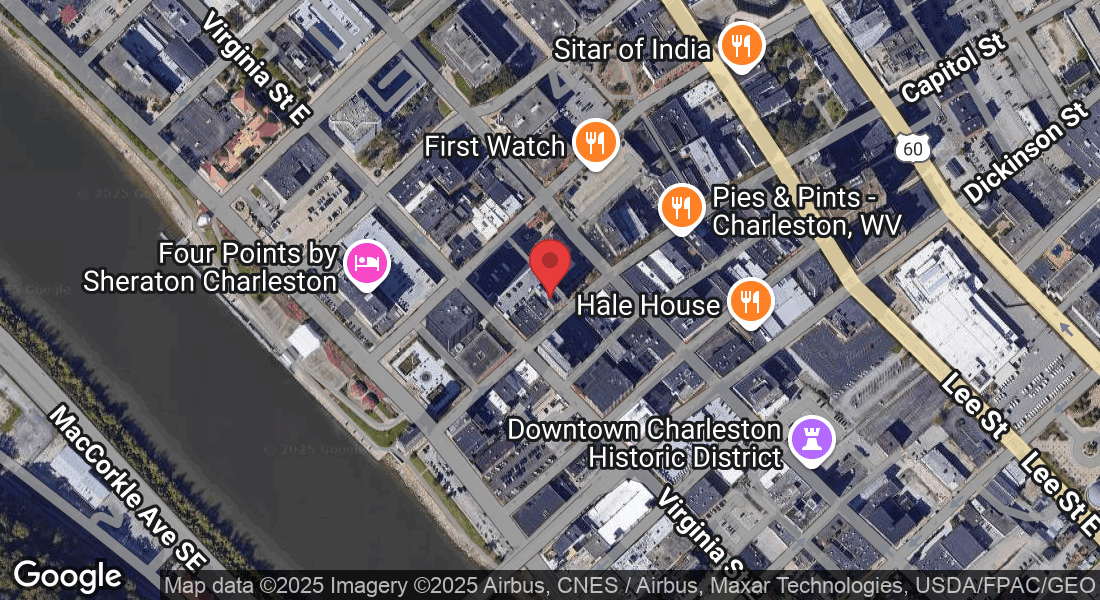
109 Capitol Street Suite 700
Charleston, WV 25301
Assistance Hours
Mon – Fri 9:00am – 5:00pm
Saturday – Sunday CLOSED