Blogs

Child Support in West Virginia: How It’s Calculated and When It Changes
Child Support in West Virginia: How It’s Calculated and When It Changes
If you’re dealing with custody or child support in West Virginia, this guide explains how courts set amounts, what affects them, and when orders can change. Read to learn the calculation basics, common modification reasons, and enforcement options so you can act with clear information.
How Is Child Support Calculated Under West Virginia Guidelines?
West Virginia follows the "income shares model", which considers both parents’ incomes to approximate the child’s share of parental resources. The court starts with combined income and applies state guidelines to reach a monthly support amount.
What Is the Income Shares Model Used in West Virginia?

The income shares model divides child-related costs proportionally between parents based on their earnings. For instance, guideline support is set from combined monthly income so each parent pays a share that reflects their contribution to the household budget. The goal is to preserve the child’s standard of living as closely as possible.
Which Factors Affect Child Support Amounts in West Virginia?
Key factors include:
Income of Both Parents: Combined earnings form the guideline base.
Number of Children: More children increase the total obligation.
Custody Arrangements: Time with each parent and primary residence affect calculations.
The court balances these elements to produce an amount aimed at meeting the child's basic needs while reflecting each parent's ability to pay.
When and How Can Child Support Orders Be Modified in West Virginia?
Orders may be modified when circumstances materially change—commonly due to lasting income shifts, custody changes, or new child expenses. Understanding the legal standards and required documents helps determine whether to seek a modification.
What Are the Legal Criteria for Child Support Modification in WV?
Courts generally require:
Material Change in Circumstances: A significant, lasting change (e.g., steady income loss or a large income increase).
Best Interests of the Child: Any change must benefit the child’s welfare.
Documentation Required: Proof such as pay stubs, tax returns, medical bills, or custody documents.
Clear documentation and demonstrating a lasting change improves the chance of modification.
What Is the Step-by-Step Process to File for Modification?
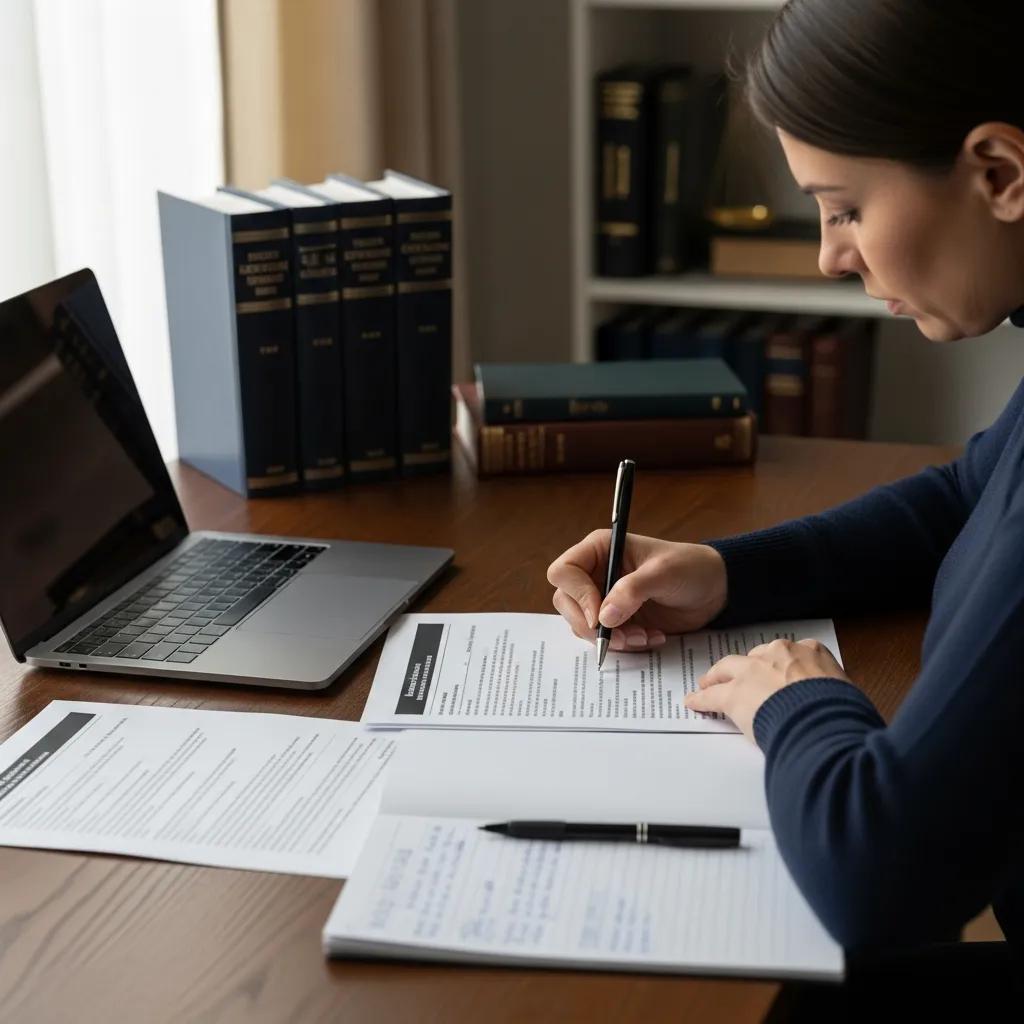
Typical steps:
Filing the Petition: File a formal request with the family court in the county where the order exists.
Serving the Other Parent: The other parent must be notified so they can respond.
Court Hearing Process: A hearing allows both sides to present evidence; the judge decides on any adjustment.
Bring organized records to support your claim and make the court review more efficient.
What Are the Enforcement Procedures for Child Support in West Virginia?
If a payor falls behind, West Virginia offers administrative and court remedies to collect overdue support and secure ongoing payments.
Common enforcement tools include wage withholding, license actions, and court proceedings to compel compliance.
West Virginia Child Support Enforcement Dissertation
ABSTRACT: Hendershott, Amy Ellen. West Virginia University — ProQuest Dissertations & Theses, 2000. Accession No. 1402070.
Child support enforcement in West Virginia, 2000
How Does West Virginia Handle Child Support Payment Delinquencies?
When a parent is behind, authorities can use several enforcement options, including:
Wage Garnishment: Employers may be ordered to withhold support from paychecks.
License Suspension: Drivers’ or professional licenses can be suspended for nonpayment.
Legal Recourse for Custodial Parents: Custodial parents can pursue contempt or other actions through the court.
These measures aim to secure past-due amounts and restore regular payments for the child’s benefit.
What Legal Actions Can Be Taken for Non-Payment?
Courts can impose remedies such as:
Contempt of Court: Sanctions or jail in severe, willful noncompliance.
Wage Garnishment: Direct withholding from wages to satisfy support obligations.
Property Liens: Placing liens on assets to secure overdue support.
These tools are used to encourage compliance and ensure children receive court-ordered support.
What Common Questions Do Families Have About Child Support in West Virginia?
Below are concise answers to frequent questions about modifying orders, enforcement, and finding help in West Virginia.
How Are Changes in Income or Custody Addressed in Support Orders?
Either parent may request review when income or custody changes. The court updates the support calculation based on the new financial and caregiving circumstances.
Where Can Families Find Legal Help for Child Support Issues in Charleston WV?
For local assistance in Charleston, contact Ray, Winton & Kelley, PLLC. They handle family law and child support matters. For more information, visit their home page, explore their practice areas, or learn more about the firm. You can also contact them directly by phone at (304) 342-1141 or email RWK-Receptionist@rwk-law.com. An attorney can clarify options and help with collection or modification.
Frequently Asked Questions
What happens if a parent fails to pay child support in West Virginia?
The custodial parent can ask the court or state child support office to enforce the order. Common enforcement actions include contempt proceedings, wage garnishment, license suspension, or liens on property to recover past-due support and restore payments.
Can child support be retroactively modified in West Virginia?
Retroactive changes are limited. Courts generally modify support from the date a modification request was filed, except in unusual circumstances—so file promptly if you need past relief.
How does the court determine the best interests of the child in support cases?
Courts consider the child’s overall welfare—including physical and emotional needs, stability, schooling, and special medical or educational requirements—while focusing on ensuring adequate financial support.
What documentation is needed to file for child support modification?
Gather evidence showing changed circumstances: recent pay stubs, tax returns, proof of job loss or reduced hours, medical bills, and custody orders. Organized documentation helps the court evaluate the request faster.
Are there any resources for parents struggling with child support issues?
Yes. The West Virginia Child Support Enforcement Division assists with establishing, modifying, and enforcing orders. Local legal aid organizations and family law attorneys can also provide help or representation. For additional legal support, consider services in related areas such as mediation, real estate law litigation, employment law, lawyer disciplinary proceedings, general civil law litigation, corporate law litigation, or estate planning and related services.
How often can child support orders be reviewed or modified?
Courts typically review orders every three years or sooner if there is a substantial and material change in circumstances. Significant changes to income, employment, or the child’s needs justify an earlier petition.

If you're in need of legal help, let's talk.
Our lawyers have many years of experience, and are excited to help you with your case. Whatever your legal needs may be, we can provide the experienced legal representation you require. Let's talk about your case and see how we can help you achieve the best possible outcome. Even in circumstances in which we are unable to represent a person, we can often help find another attorney that can. So make us your first contact.
Serving Charleston and the Kanawha Valley for 125 years.




Get In Touch
Phone Number:
Address
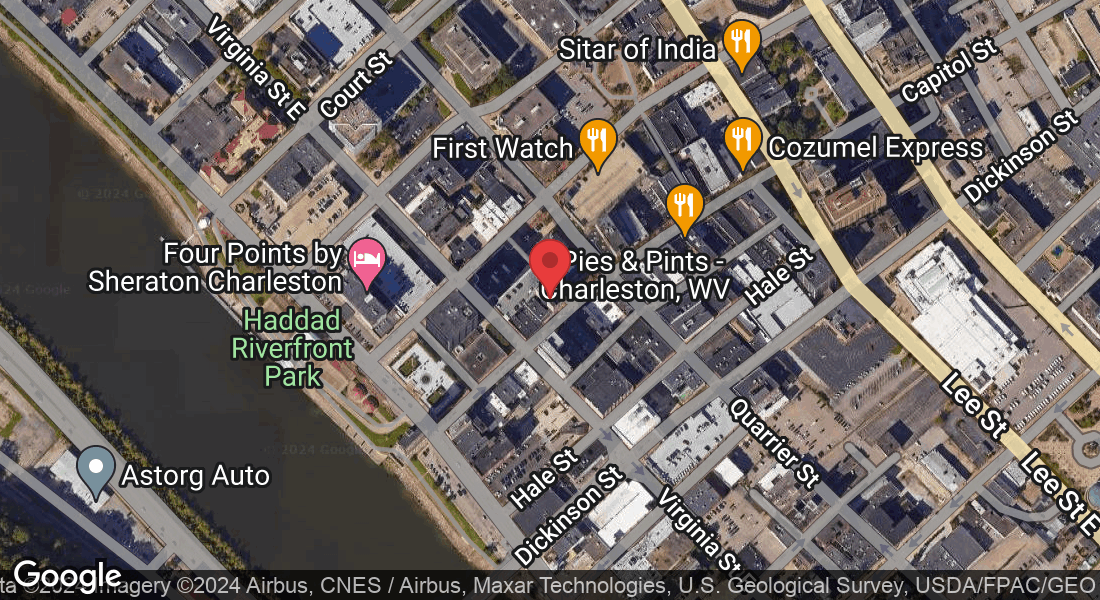
109 Capitol Street Suite 700
Charleston, WV 25301
Assistance Hours
Mon – Fri 9:00am – 5:00pm
Saturday – Sunday CLOSED