Blogs

Corporate Litigation Explained: Protecting Your Business When Disputes Arise
Corporate Litigation, Explained: How West Virginia Businesses Protect Their Operations
Corporate litigation covers the disputes that arise from running a business—between companies, between a company and its owners or investors, or with other stakeholders. For business owners in West Virginia, those disputes can affect cash flow, day‑to‑day operations, and reputation. This article walks through what corporate litigation looks like, the disputes you’re most likely to face, how to reduce risk, and what to expect if a case proceeds. Our goal is to help you spot risks early and understand when to call a qualified attorney.
What corporate litigation is — and why it matters to West Virginia companies
Put simply, corporate litigation means legal conflicts tied to business activities: broken contracts, fights over shareholder rights, director or officer misconduct, and governance disputes. In West Virginia, as elsewhere, these matters can disrupt operations, drain resources, and harm goodwill if they’re not handled quickly and strategically. Ignoring warning signs can lead to costly court battles or settlements that threaten a company’s long‑term health.
Beyond resolving an immediate dispute, corporate litigation clarifies legal rights, enforces agreements, and helps keep businesses compliant with state and federal rules. Understanding the common issues and remedies gives leaders the best chance of protecting their companies.
West Virginia’s legal environment can present particular strategic considerations for businesses — from forum selection to how courts apply certain doctrines.
West Virginia Litigation Risks for Businesses
Some commentators have argued that businesses face heightened uncertainty in West Virginia courts due to unpredictable doctrinal shifts and forum concerns — factors that can shape litigation strategy and risk assessment for corporate defendants. West Virginia as a Judicial Hellhole: Why Businesses Fear Litigating in State Courts, 2008
How corporate litigation interrupts operations
Legal disputes pull time and attention away from running the business. Management and employees may spend hours gathering documents, attending meetings with counsel, and preparing for depositions instead of focusing on customers and growth. That distraction often reduces productivity and slows decision‑making.
The financial impact can be significant: attorney fees, expert witnesses, and settlement or judgment exposure all put pressure on cash flow. On top of that, public disputes can erode customer trust and investor confidence, making it harder to win new business or secure financing while a case is pending.
Core legal concepts every business leader should know
Several legal ideas come up again and again in corporate disputes. Breach of contract—when a party fails to meet agreed terms—is one of the most common. Remedies may include monetary damages or court orders requiring performance.
Fiduciary duty is another frequent issue: officers and directors must act in the company’s best interests. When those duties are breached, shareholders can pursue claims. Corporate governance—your company’s decision‑making rules and processes—both prevents and frames many disputes; clear governance reduces ambiguity and risk.
Typical corporate disputes in West Virginia
Companies in West Virginia face the same basic categories of corporate disputes as elsewhere, but local statutes and case law can affect strategy and outcomes. Being familiar with these dispute types helps business leaders respond faster and more effectively.
How shareholder disputes start — and the usual paths to resolve them

Shareholder fights commonly arise over control, dividends, buyouts, or alleged mismanagement. Left unchecked, these disagreements can escalate into litigation. Many companies resolve shareholder issues through negotiation, mediation, or arbitration—approaches that preserve relationships and limit expense when compared with a trial.
West Virginia law also recognizes derivative claims, which allow shareholders to sue on the company’s behalf under certain conditions — an important consideration in shareholder disputes.
West Virginia Corporate Law: Derivative Lawsuits
Legislative and judicial rules around derivative suits affect who may bring a claim and under what circumstances, which in turn influences how corporations and their counsel assess and defend these cases. The Difficulty of a Plaintiff's Playground Being Truly Open for Business: An Overview of West Virginia's Corporate Law Governing Derivative Lawsuits, 2007
What counts as a breach of contract in business litigation?
A breach occurs when a party fails to fulfill the obligations set out in a valid agreement. Common examples include missed deliveries, unpaid invoices, or services performed below the contract standard. When that happens, the non‑breaching party may seek damages, specific performance, or other remedies through litigation or alternative dispute resolution. Clear, enforceable contracts reduce the chance of costly disputes.
Practical steps to reduce the likelihood of litigation
Preventing disputes is almost always less expensive than resolving them. Proactive legal habits protect value and preserve relationships.
Everyday strategies that lower litigation risk
Regularly reviewing contracts, updating governance documents, and running compliance training for staff all pay dividends. Establishing clear internal processes for approvals and communications prevents avoidable misunderstandings. When conflicts do arise, early intervention—using counsel to mediate or negotiate—often stops problems before they become lawsuits.
Why careful contract drafting matters

Strong contracts reduce ambiguity. Good agreements define key terms, allocate responsibilities, include clear performance standards, and set dispute resolution processes. Investing in precise drafting and tailored contract language can prevent many common claims and make disputes easier to resolve if they occur.
The corporate litigation process in West Virginia — what to expect
Knowing the typical stages of litigation helps companies plan resources and strategy. While every case is different, the overall pathway is familiar.
Key steps in resolving a business dispute
Litigation typically starts with a filed complaint and moves into discovery, where both sides exchange documents and testimony. Discovery is often the most resource‑intensive phase and shapes settlement discussions. If the parties can’t settle, the case proceeds to trial for a judge or jury decision.
When mediation or arbitration makes sense
Alternative dispute resolution (ADR) — mediation and arbitration — offers faster, less public, and often less expensive ways to resolve disputes. Mediation uses a neutral facilitator to help parties reach a voluntary agreement; arbitration results in a binding decision by the arbitrator. ADR can preserve business relationships and control costs while delivering finality more quickly than court proceedings.
Recent research highlights the growing preference for ADR in business disputes for its efficiency and negotiated outcomes.
Business Dispute Resolution: Mediation, Arbitration, Litigation
Comparative studies show mediation is frequently chosen for its higher agreement and satisfaction rates, while arbitration and litigation often yield stronger enforcement. Industry trends point to increasing use of ADR for efficient, cost‑effective dispute resolution. Comparison of The Effectiveness of Business Dispute Resolution Through Mediation, Arbitration, and
Litigation, H Hetiyasari, 2024
Why retain a corporate litigation attorney in Charleston, WV?
When a dispute threatens your business, experienced counsel provides strategy, advocacy, and practical solutions. A lawyer with local courtroom experience knows state rules, judges, and procedural nuances — knowledge that can materially affect outcomes.
How experienced business litigators help
Seasoned litigators analyze risk, develop defense or settlement strategies, manage discovery efficiently, and negotiate from a position of strength. Their background in similar matters helps clients avoid common pitfalls and pursue outcomes that protect business continuity and value.
How RWK LAW supports West Virginia businesses
RWK LAW represents local companies with practical, results‑oriented corporate litigation services. We combine courtroom experience with hands-on business sensibility to keep our clients focused on running their companies while we handle the legal work. Learn more about us and our comprehensive practice areas, which include general civil litigation, real estate law, employment law, family law, estate planning and litigation, and lawyer disciplinary proceedings. If you need help assessing risk, negotiating a settlement, or litigating a claim, we provide direct, timely counsel tailored to your goals.
If you’d like to discuss a specific matter, please contact us — we welcome the chance to talk through your options.
Frequently Asked Questions
What costs should we expect with corporate litigation?
Litigation expenses vary with case complexity, but common costs include attorney fees, court filing fees, depositions, expert witness fees, and document production. Trials add further expense for preparation and lost management time. Settlements can also be costly. Early case assessment and cost projections with your attorney help you budget and decide whether ADR or settlement is a better path.
How can a business manage litigation risk effectively?
Adopt a proactive approach: perform regular risk audits, maintain up‑to‑date contracts and governance policies, provide compliance training, and build a relationship with trusted counsel. Address disputes quickly through negotiation or mediation when appropriate. A clear response plan reduces surprise costs and reputational damage.
What role does corporate governance play in avoiding lawsuits?
Strong governance creates accountable decision‑making and transparent records, which help prevent disputes and make defenses stronger if litigation occurs. Clear bylaws, documented approvals, and consistent processes protect directors and officers and reduce ambiguity that can lead to claims.
What should we do if our company receives a legal complaint?
Respond promptly: preserve relevant documents, review the complaint with counsel, and evaluate strategic responses (answer, counterclaim, settlement discussions, or motion practice). Timely legal advice preserves rights and helps avoid procedural missteps that can worsen exposure.
Are there advantages to using ADR?
Yes. ADR can be faster, less costly, and more confidential than court litigation. Mediation often produces mutually acceptable outcomes and preserves relationships; arbitration gives a binding result without a public trial. ADR is especially useful where speed and privacy matter.
How should a business choose a corporate litigation attorney?
Look for experience in similar disputes and in West Virginia courts, a record of practical results, clear communication, and a fee structure that matches your risk tolerance. A lawyer who understands your industry and business priorities will offer better strategic advice and help you reach cost-effective resolutions.

If you're in need of legal help, let's talk.
Our lawyers have many years of experience, and are excited to help you with your case. Whatever your legal needs may be, we can provide the experienced legal representation you require. Let's talk about your case and see how we can help you achieve the best possible outcome. Even in circumstances in which we are unable to represent a person, we can often help find another attorney that can. So make us your first contact.
Serving Charleston and the Kanawha Valley for 125 years.




Get In Touch
Phone Number:
Address
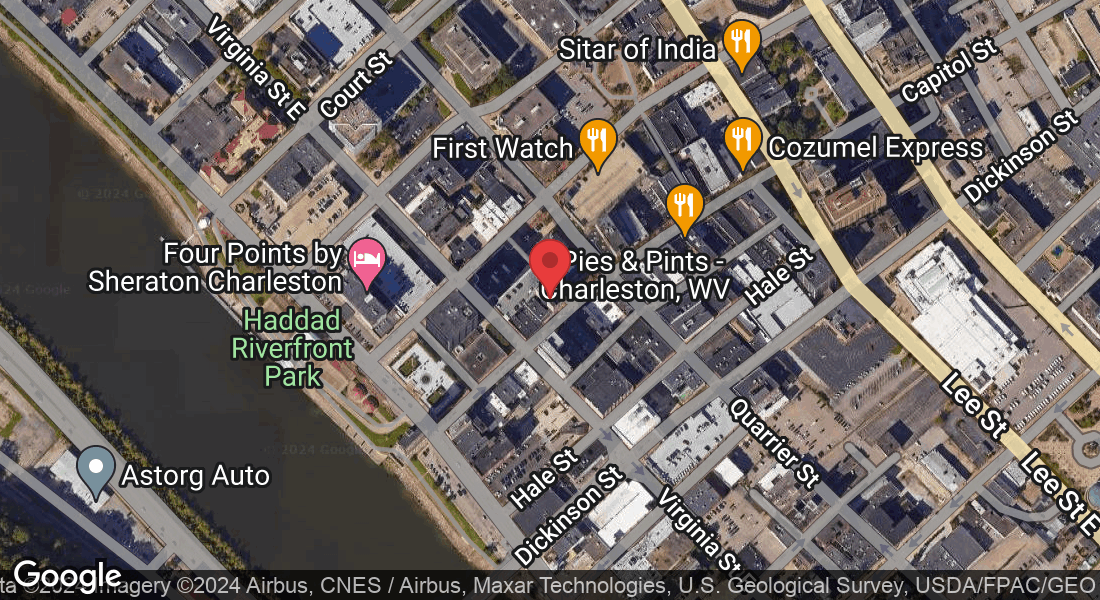
109 Capitol Street Suite 700
Charleston, WV 25301
Assistance Hours
Mon – Fri 9:00am – 5:00pm
Saturday – Sunday CLOSED