Blogs

Your Guide to Choosing a Divorce Lawyer in Charleston, WV
Divorce in West Virginia: A Clear Guide from First Steps to Final Decree
Divorce is often stressful and overwhelming. In West Virginia, specific statutes and court procedures shape how a marriage is legally ended. This guide lays out the practical steps, key laws, and common issues you’re likely to face so you can navigate your divorce with clearer expectations and better decisions.
Many people feel uncertain during this process. With concise, reliable information and realistic next steps, you can move forward with confidence. Below we cover grounds for divorce, filing and courtroom steps, custody and support concerns, mediation options, and how to choose the right divorce lawyer in Charleston, WV.
What Are the Key West Virginia Divorce Laws You Should Know?
Knowing the basic legal framework in West Virginia helps you plan and protect your interests. The state allows both no-fault and fault-based divorces, and you must meet residency rules before filing so the court can properly hear your case. Familiarity with these rules makes the process less confusing and reduces costly surprises.
What Are the Grounds for Divorce in West Virginia?
West Virginia recognizes two main types of grounds: no-fault and fault-based. A no-fault divorce may be granted when spouses have lived separate and apart without cohabitation for at least one year. Fault-based grounds include adultery, desertion (abandonment), extreme cruelty, and others. Which ground you use can affect matters like division of property and spousal support.
What Are the Residency Requirements for Filing Divorce in WV?
To start a divorce in West Virginia, at least one spouse must have lived in the state for six months before filing. This residency requirement gives the court jurisdiction over the case. There are exceptions for certain military members and their families, so check those rules if they apply. Meeting residency rules up front prevents procedural delays.
How Does the West Virginia Divorce Process Work Step-by-Step?

The divorce process follows a sequence of filings, notifications, negotiations, and—if needed—court hearings. From the initial complaint to the final decree, each step affects your timeline and options. Knowing what comes next helps you plan and talk to your attorney with purpose.
How Do You File for Divorce in West Virginia?
Filing begins with the complaint for divorce and a summons, submitted to the circuit court in the county where either spouse lives. After filing, the other spouse must be served—typically by a process server or certified mail. Accurate paperwork and proper service are essentials; mistakes here can delay the case.
What Is the Typical Timeline for a Divorce in WV?
How long a divorce takes depends on whether it’s uncontested or contested and how complex the issues are. An uncontested divorce can sometimes be finalized in about 30 days after filing if paperwork and agreements are in order. Contested cases often take six months to a year or longer, especially when custody, property division, or scheduling conflicts with the court add time.
What Are the Main Legal Issues in West Virginia Divorce Cases?
Divorces commonly involve a handful of legal questions that shape the outcome. Understanding these topics helps you protect your rights during negotiations or in court. The primary issues are child custody, child support, alimony (spousal support), and property division.
How Is Child Custody Determined in West Virginia Divorces?
Court custody decisions focus on the child’s best interests. Judges consider factors such as the child’s age, emotional bonds with each parent, each parent’s ability to meet the child’s needs, and the stability of each home. West Virginia recognizes both legal custody (decision-making) and physical custody (where the child lives), and either or both can be joint or sole.
What Are West Virginia’s Guidelines for Child Support and Alimony?
Child support in West Virginia follows statutory guidelines based on both parents’ incomes and the child’s needs. Spousal support may be awarded depending on factors like the length of the marriage, each spouse’s financial situation, and the standard of living established during the marriage. Knowing these rules helps you set realistic expectations about post-divorce finances.
Legal IssueDescriptionConsiderationsChild CustodyDecisions made to protect the child’s welfareConsider parental involvement, stability, and the child’s needsChild SupportMonetary support based on parents’ incomesGuidelines provide a formula but courts review individual circumstancesAlimonyFinancial support from one spouse to anotherAmount and duration depend on income, marriage length, and needs
How Can Mediation and Alternatives Help in West Virginia Divorce?
Mediation and other alternative dispute resolution options often reduce conflict, cost, and time compared with going straight to trial. A neutral mediator helps you and your spouse communicate, identify priorities, and reach agreements that work for both parties—when possible—without the adversarial court process.
What Are the Benefits of Divorce Mediation in West Virginia?

Mediation can lower stress, shorten the timeline, and give you more control over results. Couples who mediate often find more practical, tailored solutions than a judge might order. It’s typically less expensive than litigation and can preserve a working relationship—especially important when children are involved.
What Is an Uncontested Divorce and How Does It Work in WV?
An uncontested divorce means both spouses agree on all major issues—property division, support, and custody. Because there’s no dispute to litigate, these divorces move faster and cost less. In West Virginia, couples file the required papers and usually attend a brief hearing to finalize the agreement.
How Do You Choose the Right Divorce Lawyer in Charleston, WV?
Experience and Specialization: Select an attorney with solid family-law experience and a track record with cases like yours, including high net-worth matters if relevant.
Reputation: Read client testimonials and reviews that highlight responsiveness and outcomes in family-law work.
Professional Qualifications: Confirm the lawyer is licensed in West Virginia and has relevant family-law training.
Compatibility: Choose someone you can communicate with clearly—trust and rapport matter in sensitive cases.
Consultation: Use the initial meeting to evaluate the lawyer’s strategy and whether it fits your goals.
Local Knowledge: A lawyer familiar with local judges and procedures can navigate the system more effectively.
What Should You Expect from Your West Virginia Divorce Attorney?
Your attorney should give steady, practical guidance and strong representation—especially on complex financial or custody issues. Expect clear explanations of options, timely communication, and legal strategies tailored to your situation. A good lawyer will balance legal know-how with an understanding of the personal dynamics involved and help you advance toward a workable resolution. For help, see how to contact us.
How Much Does a Divorce Lawyer Cost in Charleston, WV?
Legal fees vary by experience, case complexity, and billing method. Typical hourly rates range from $250 to $400. Some attorneys offer flat fees for straightforward, uncontested divorces—often between $1,500 and $4,000 depending on the specifics. Getting a clear fee agreement up front makes planning easier.
Cost TypeDescriptionAverage RangeHourly RateFee charged per hour for legal work$250 - $400Flat FeeOne-time fee for an uncontested divorce$1,500 - $4,000
Frequently Asked Questions
What is the difference between contested and uncontested divorce in West Virginia?
A contested divorce involves one or more unresolved issues—custody, support, or property—so the court must decide. An uncontested divorce means both spouses agree on all terms, which usually makes the process faster and less expensive. Choosing the right path depends on your ability to reach an enforceable agreement and the complexity of the issues.
Can I modify child support or alimony after the divorce is finalized?
Yes. Both child support and alimony can be modified if there’s a substantial change in circumstances—like job loss, a major income change, or new needs for the child. To request a change, you file a motion with the court and present supporting evidence. Consult an attorney to evaluate your case before filing.
What role does a mediator play in the divorce process?
A mediator is a neutral facilitator who helps spouses negotiate settlements. Mediators don’t impose decisions; they guide discussion, surface priorities, and help draft agreements. Mediation often reduces hostility and cost compared with litigation and can be especially useful when parties want privacy and control over outcomes.
How does the court determine the best interests of the child in custody cases?
The court considers multiple factors to protect the child’s welfare: the child’s age and needs, emotional ties to each parent, parental fitness, home stability, and each parent’s willingness to support the child’s relationship with the other parent. The court’s decision reflects the specific facts of each family.
What should I do if my spouse is not complying with the divorce agreement?
Start by documenting the non-compliance and trying to resolve it through direct communication or mediation. If that fails, you can ask the court to enforce the agreement by filing a motion. Courts can order compliance, adjust terms, or impose sanctions. Talk with an attorney to choose the best enforcement steps.
Are there any resources available for emotional support during the divorce process?
Yes. Support groups, individual counseling, and therapists who specialize in divorce can help you cope. Local community resources, online forums, and trusted friends or family also provide important support. Seeking help early can reduce stress and improve decision-making during the process.

If you're in need of legal help, let's talk.
Our lawyers have many years of experience, and are excited to help you with your case. Whatever your legal needs may be, we can provide the experienced legal representation you require. Let's talk about your case and see how we can help you achieve the best possible outcome. Even in circumstances in which we are unable to represent a person, we can often help find another attorney that can. So make us your first contact.
Serving Charleston and the Kanawha Valley for 125 years.






Get In Touch
Phone Number:
Address
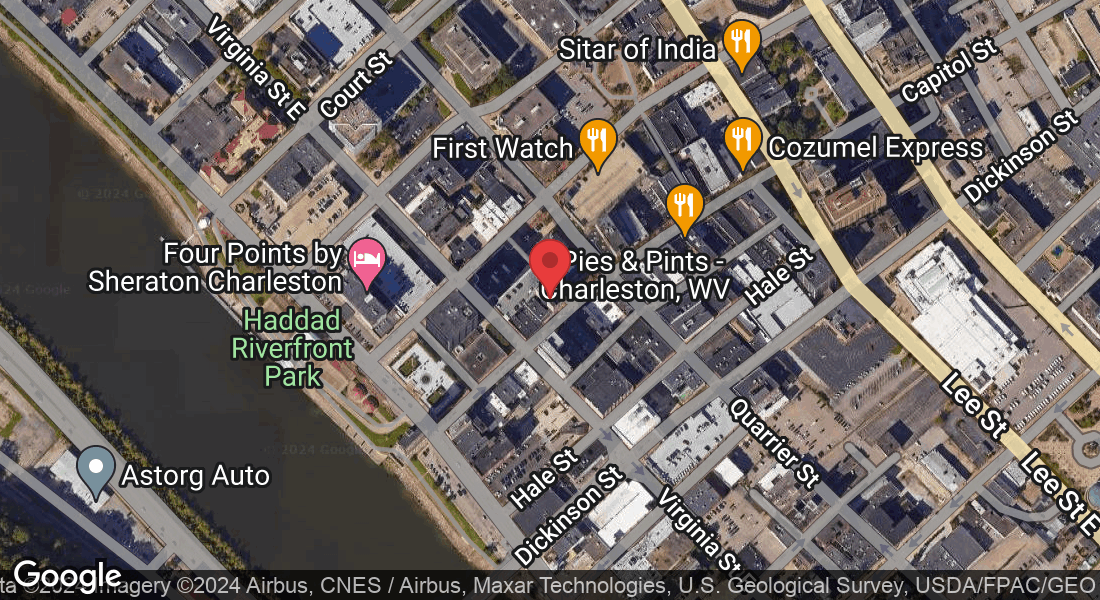
109 Capitol Street Suite 700
Charleston, WV 25301
Assistance Hours
Mon – Fri 9:00am – 5:00pm
Saturday – Sunday CLOSED