Blogs

Charleston WV Lawyers Help You Navigate Protective Orders
Understanding WV Protective Orders
Domestic violence protective orders (DVPOs) are court-issued directives that provide legal protection to people experiencing abuse. In West Virginia these orders restrict a respondent’s conduct and create civil remedies petitioners can use to reduce risk. This article summarizes the main order types, the filing process, available protections, and the role of counsel. For more information about our firm and services, visit our home page.
What Are Domestic Violence Protective Orders in West Virginia?
A protective order is a judicial directive to prevent further abuse. It can bar contact, require a respondent to vacate shared premises, or impose other tailored safety conditions enforceable by the court.
Definition and Purpose of Protective Orders in WV
Protective orders deter further violence by imposing legal constraints on the respondent and giving the court authority to enact immediate and continuing protections to reduce harm and stabilize daily life.
Research has found associations between protective orders and reductions in subsequent physical re‑abuse.
Effectiveness of Protective Orders in Preventing Domestic Violence Re-abuse
One of the principal civil remedies for victims of domestic violence is the civil Protection Order (PO). An analysis of court and police records for 210 couples in which female applicants filed POs examined incidents two years before and two years after PO issuance. The study found a significant reduction in the probability of physical abuse following a PO: 68% of women reported physical violence prior to filing, compared with 23% after. The analysis also identified risk factors associated with re‑abuse, including very low socioeconomic status and race (African‑American).
Protective orders and domestic violence: Risk factors for re-abuse, MJ Carlson, 1999
Types of Protective Orders: Temporary, Emergency, and Permanent

West Virginia law provides distinct order types for different urgency and duration levels, each subject to statutory limits and conditions. Learn more about our practice areas including family law and civil litigation.
Type of Protective OrderDescriptionDurationEmergency Protective OrderIssued quickly for immediate safety.Typically 72 hours.Temporary Protective OrderInterim relief after an initial showing.Usually about 20 days.Final Protective OrderGranted after a full hearing for longer-term protection.Can last up to 1 year or longer.
Orders commonly restrict contact, address residence access, and include other measures while cases proceed.
How Do You File a Protective Order in West Virginia?
Filing requires following statutory procedures and submitting supporting evidence so the court can assess whether sufficient risk exists to justify relief.
Gather Necessary Documentation: Collect photographs, medical records, police reports, and communications documenting abuse.
Complete the Petition: Fill out required forms at the courthouse or online through the court’s website. For assistance, see our contact page.
File the Petition: Submit forms to the court clerk to schedule hearings.
Attend the Hearing: Present concise evidence and testimony for the judge’s decision.
Step-by-Step Guide to the WV Protective Orders Process
Break the process into stages to prepare a clear evidentiary record for the court.
Prepare Your Case: Compile documents and list key facts and witnesses.
Request Emergency Relief if Needed: Ask for an emergency order when danger is immediate.
Seek a Temporary Order: Obtain interim protection at the initial hearing.
Pursue a Final Order: A final hearing determines the long-term scope and duration of relief.
Following these steps helps the court evaluate appropriate protections. Our attorneys specialize in family law and domestic relations and can assist you throughout this process.
Eligibility Criteria and Required Documentation
Petitioners must meet statutory eligibility and provide supporting evidence so the court can consider the petition promptly.
Eligibility Criteria: Evidence of domestic violence or credible threats by an intimate partner, family member, or household member.
Required Documentation: Completed petition, incident records, medical or police documentation, and witness statements when available.
Clear, corroborating documentation improves the likelihood of relief. For help gathering and organizing evidence, our mediation and litigation services can be valuable resources.
What Legal Rights and Protections Do Protective Orders Provide?
Protective orders create enforceable protections intended to reduce immediate risk to the petitioner and their family.
Prohibition of Contact: Bars direct or indirect contact by the respondent.
Possession of Shared Residence: Court may grant exclusive possession of the home to the petitioner.
Temporary Custody of Children: Orders can address custody or visitation to protect children.
These remedies limit respondent access and help stabilize housing and caregiving while litigation moves forward. Our real estate law and litigation practice can assist with residence-related disputes.
Scope of Court Jurisdiction and Enforcement in WV
West Virginia trial courts issue protective orders under state statute. Judges evaluate evidence and may set conditions necessary to protect the petitioner. Noncompliance can lead to criminal charges or contempt sanctions. Our general civil law litigation team is experienced in enforcement matters.
Duration and Conditions of Protective Orders
Duration varies by type: emergency orders commonly expire after 72 hours, temporary orders usually last about 20 days, and final orders can extend for up to one year or longer. Courts may add conditions—such as counseling or firearm restrictions—based on case facts to promote safety.
How Can a Domestic Violence Attorney in Charleston WV Assist You?

An experienced attorney can guide you through procedures, preserve and organize evidence, and advocate for strong relief. Counsel also advises on related family-law or civil remedies affecting longer-term safety. Learn more about our firm and attorneys.
Role of Legal Representation in Filing and Court Proceedings
Attorneys prepare pleadings, coordinate witnesses, and present legal arguments to strengthen the petitioner’s case at hearing. Our team also handles employment, lawyer disciplinary proceedings, corporate law litigation, and estate planning and litigation.
Accessing Emergency Protective Order Legal Help in WV
If you face immediate danger, seek legal help promptly. Contact local legal aid or retain counsel experienced in domestic violence to petition for emergency relief.
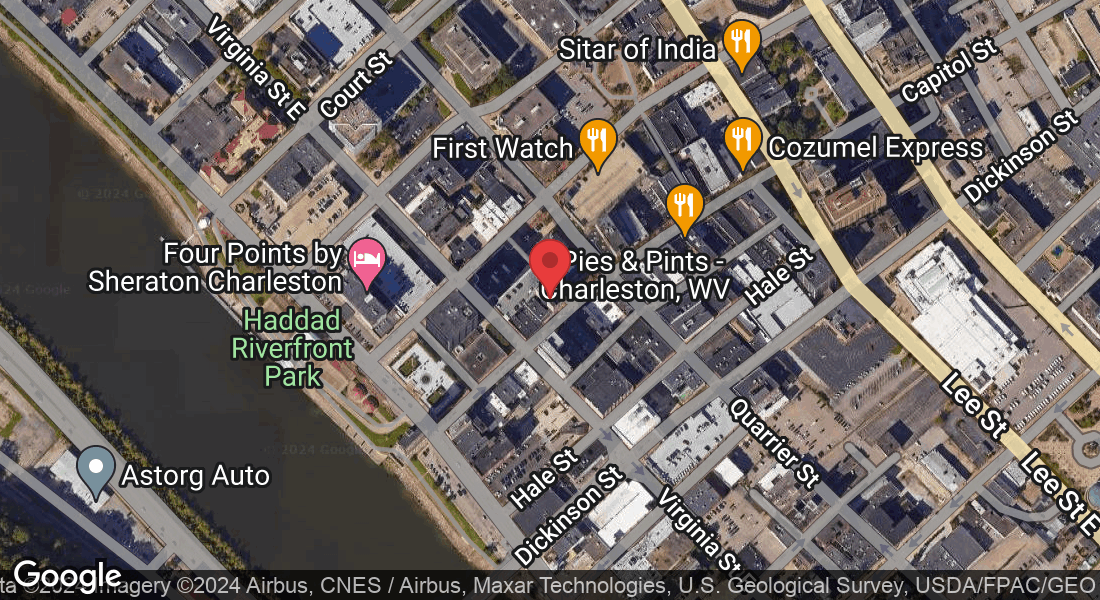
Ray Winton and Kelley PLLC, located at 109 Capitol Street Suite 700, Charleston, WV 25301, provides legal services to individuals seeking protective orders. They can be reached at (304) 342-1141 or by email at RWK-Receptionist@rwk-law.com for assistance.
Awareness of resources enables prompt protective action. If you need to contact us, please do so.
Frequently Asked Questions
What is the difference between an emergency protective order and a final protective order?
An emergency order provides immediate, short-term protection (typically 72 hours). A final order follows a full hearing and offers longer-term, tailored protections, often for up to a year or more.
Can a protective order be modified or extended after it is issued?
Yes. Petitioners may file a motion to modify or extend an order; the court will decide based on the evidence.
What should I do if I need to leave my home due to domestic violence?
Prioritize safety: plan a secure destination, take essentials, and contact shelters or advocates. Consider requesting an emergency protective order.
How long does the process of obtaining a protective order take?
Timelines vary: emergency orders can be issued rapidly; temporary and final orders depend on court scheduling and can range from days to several weeks.
What happens during the hearing for a protective order?
Both sides may present evidence and testimony. The judge assesses the record and decides whether to issue, deny, or modify the order.
Are protective orders enforceable outside of West Virginia?
Yes. Orders from West Virginia are generally enforceable in other states under the Full Faith and Credit Clause; provide local law enforcement with a copy of the order.
What types of evidence are needed to support a protective order petition?
Provide contemporaneous, corroborating evidence such as photographs of injuries, medical records, police reports, texts or emails, and witness statements—the more concrete and timely, the stronger the petition.
Can I represent myself in court when filing for a protective order?
Yes. Petitioners may proceed pro se, but the process can be complex; retaining counsel or seeking legal aid often improves preparation and outcomes.
What should I do if I am unsure about my eligibility for a protective order?
Consult a legal professional or domestic-violence advocate to assess your circumstances against West Virginia’s statutory criteria.
How can I ensure my safety while waiting for a protective order hearing?
Develop a safety plan, identify secure locations, keep a charged phone, notify trusted contacts, and seek shelter or advocacy assistance if needed. Request emergency relief if the risk is immediate.
What happens if the respondent violates the protective order?
Document violations with dates and details, report breaches to law enforcement immediately, and notify your attorney. Violations may lead to criminal charges or contempt proceedings.
Are there resources available for victims of domestic violence in West Virginia?
Yes. West Virginia maintains shelters, hotlines, advocacy groups, and legal aid. The West Virginia Coalition Against Domestic Violence lists services; contact these organizations for support and assistance.

If you're in need of legal help, let's talk.
Our lawyers have many years of experience, and are excited to help you with your case. Whatever your legal needs may be, we can provide the experienced legal representation you require. Let's talk about your case and see how we can help you achieve the best possible outcome. Even in circumstances in which we are unable to represent a person, we can often help find another attorney that can. So make us your first contact.
Serving Charleston and the Kanawha Valley for 125 years.






Get In Touch
Phone Number:
Address
109 Capitol Street Suite 700
Charleston, WV 25301
Assistance Hours
Mon – Fri 9:00am – 5:00pm
Saturday – Sunday CLOSED