Blogs

How Property Is Divided During a Divorce in West Virginia
How Property Is Divided During a Divorce in West Virginia: Understanding Equitable Distribution and Legal Guidance
Divorce creates legal and financial challenges, especially around property division. West Virginia follows equitable distribution to allocate marital assets between spouses. This article explains how courts classify and divide property, how assets are valued, and the role of legal counsel. Understanding these points affects post‑divorce financial security. We also note how a Charleston, WV divorce attorney can help secure a fair outcome.
What Is Equitable Distribution Under West Virginia Divorce Property Laws?

Equitable distribution is the doctrine used to divide marital property in West Virginia. It does not require a 50/50 split; the court makes a fair allocation based on factors such as the length of the marriage, each spouse’s financial contributions, and any minor children’s needs. The aim is to reflect the parties’ contributions and future circumstances.
In addition to these factors, the court may also consider the age and health of each spouse, the income and earning potential of both parties, and any economic misconduct such as waste or dissipation of marital assets. The court strives to reach a division that is just and reasonable, taking into account both tangible and intangible contributions to the marriage, including homemaking and child-rearing.
How Does Equitable Distribution Apply to Marital Property in West Virginia?
Equitable distribution covers marital property—assets acquired by either spouse during the marriage—such as real estate, bank accounts, retirement benefits, and personal property. The court identifies qualifying assets, values them, and considers the spouses’ financial condition, age, health, and other circumstances when dividing property.
It is important to note that the court also examines the timing and manner in which assets were acquired. For example, property purchased shortly before separation may be scrutinized to determine if it should be considered marital property. Additionally, the court may consider whether any prenuptial or postnuptial agreements affect the classification and division of property.
What Are the Differences Between Marital and Separate Property?
Marital property is acquired during the marriage. Separate property is owned before marriage or received by gift or inheritance. Correct classification is crucial: assets shown to be separate are generally excluded from division. For more on this topic, see our article on marital vs. separate property.
However, separate property can sometimes become marital property if it is commingled with marital assets or if efforts are made to enhance its value during the marriage. For example, if one spouse uses marital funds to renovate a separately owned home, the increased value may be subject to division. Courts carefully analyze the history and treatment of assets to determine their proper classification.
How Are Divorce Assets Valued and Divided in West Virginia?
Accurate valuation is central to equitable distribution. Courts use professional appraisals for real estate and expert business valuations when needed. After values are set, the court may sell assets and split proceeds, award specific assets to one spouse, or use offsetting awards to reach a fair division.
Asset TypeValuation MethodConsiderationsReal EstateProfessional appraisalMarket conditions, property conditionBusinessBusiness valuation expertRevenue, market position, growth potentialPersonal PropertyComparative market analysisCondition, age, demand
The table summarizes common valuation methods and considerations. For assistance with valuation and asset division, consult attorneys specializing in real estate law and litigation.
In complex cases, valuation may also involve forensic accountants or financial experts who analyze income streams, tax implications, and hidden assets. The valuation process can significantly impact the final division, especially when high-value or unique assets are involved.
What Role Does Mediation Play in Property Division During Divorce?

Mediation is a common alternative to litigation. A neutral mediator helps spouses negotiate an agreement on asset division, often reducing time, cost, and conflict. Parties who prefer a less adversarial process should consider mediation during property division.
Mediation allows spouses to maintain greater control over the outcome and can preserve relationships by fostering cooperative communication. Mediators facilitate discussions on complex issues such as asset valuation, debt allocation, and future financial arrangements. Successful mediation agreements are typically submitted to the court for approval, making them legally binding.
How Can a Charleston WV Divorce Attorney Assist in Property Division?
A Charleston, WV divorce attorney advises on rights and obligations under state law, evaluates options, negotiates settlements, represents clients in mediation, and advocates in court when necessary. Local counsel’s familiarity with West Virginia statutes and court practices can influence outcomes.
Ray Winton and Kelley PLLC is a Charleston, West Virginia law firm focused on family law, real estate law, and mediation. Their experience in divorce matters helps clients navigate valuation and negotiation. Individuals navigating complex property division issues often benefit from understanding what to expect from a divorce lawyer in Charleston, WV, before entering negotiations or litigation.
What Legal Services Does a Divorce Lawyer Provide for Asset Division?
Divorce attorneys offer services that typically include:
Asset Identification: Helping clients locate and list marital assets and debts.
Valuation Assistance: Advising on appropriate valuation methods and experts.
Negotiation and Representation: Advocating for clients in negotiations, mediation, or court.
Legal Strategy: Developing tailored approaches based on case specifics and client goals.
Post-Divorce Enforcement: Assisting with enforcement or modification of property division orders if necessary.
Experienced counsel helps clients pursue an equitable share of marital property. Firms such as Ray Winton and Kelley PLLC provide comprehensive support for divorce and other family law matters.
How Does Local Expertise Impact Divorce Property Outcomes?
Local expertise matters. West Virginia practitioners know relevant statutes, controlling case law, and local court procedures. That knowledge helps counsel tailor strategy to regional practices and judicial tendencies, improving efficiency and the chance of a favorable result.
Understanding how property is divided in a West Virginia divorce is essential. Equitable distribution, correct property classification, and informed legal counsel are central to a fair result. Retaining an experienced divorce attorney helps parties address valuation and negotiation challenges and pursue equitable resolutions. For more information on family law services, visit the Ray Winton and Kelley PLLC website.
Frequently Asked Questions
What factors influence the court's decision in property division during a divorce?
The court considers factors such as the length of the marriage, each spouse’s financial contributions, the parties’ ages and health, and any children’s needs, along with the marital standard of living and other circumstances relevant to future needs.
Can debts be included in the property division process?
Yes. Marital debts are subject to equitable distribution and are allocated between the spouses, often reflecting each party’s ability to pay or contribution to incurring the debt.
What is the role of a forensic accountant in divorce asset division?
A forensic accountant traces hidden assets, performs business valuations, and analyzes financial records to ensure all marital property is identified and accurately valued—particularly useful in complex cases.
How does the presence of children affect property division in a divorce?
Children’s needs and custody arrangements influence allocation. Courts consider the children’s best interests and may provide the custodial parent with resources to maintain living standards.
What should I do if I believe my spouse is hiding assets during the divorce?
If you suspect concealment, preserve records and consult an attorney promptly. Counsel may suggest hiring a forensic accountant and can petition the court to compel financial disclosure.
Is it possible to modify a property division agreement after the divorce is finalized?
Modification is difficult and typically only available in limited circumstances, such as fraud, misrepresentation, or a substantial change in circumstances. Consult an attorney to evaluate possible relief and procedures.

If you're in need of legal help, let's talk.
Our lawyers have many years of experience, and are excited to help you with your case. Whatever your legal needs may be, we can provide the experienced legal representation you require. Let's talk about your case and see how we can help you achieve the best possible outcome. Even in circumstances in which we are unable to represent a person, we can often help find another attorney that can. So make us your first contact.
Serving Charleston and the Kanawha Valley for 125 years.





Get In Touch
Phone Number:
Address
109 Capitol Street Suite 700
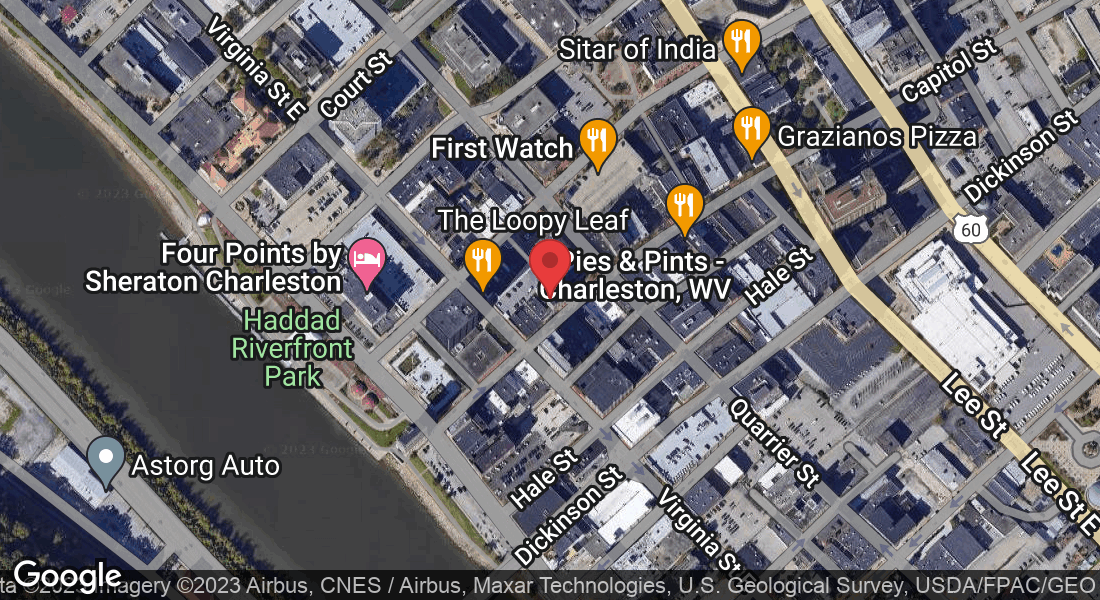
Charleston, WV 25301
Assistance Hours
Mon – Fri 9:00am – 5:00pm
Saturday – Sunday CLOSED