Blogs

How to Avoid Probate in WV
How to Avoid Probate in WV: Comprehensive Guide to West Virginia Probate Laws and Estate Planning
By Christopher Winton, David Hughart & Mark Kelley — Named Partners, Ray Winton & Kelley
Probate in West Virginia involves specific statutory procedures that can lengthen administration, reduce asset value, and generate family disputes. Knowing how to avoid probate can accelerate asset transfer, protect estate value for beneficiaries, and reduce contention. This guide sets out practical estate‑planning strategies under West Virginia law, explains the probate process and its effects on heirs, and provides actionable options to minimise or avoid probate involvement.
This article explains probate, provides a step‑by‑step overview of West Virginia probate procedures, and outlines alternatives such as living trusts, joint ownership, and other probate‑avoidance mechanisms. The objective is to give you a clear framework for structuring your estate to reduce the likelihood of probate.
What Is Probate and How Does WV Probate Law Affect Estate Administration?

Probate is the court‑supervised process for validating a decedent’s will and administering their estate. West Virginia probate law prescribes the steps for proving wills, appointing personal representatives, paying creditors, and distributing assets. Because probate involves court oversight, it can extend timelines and increase administrative costs, which may affect the net inheritance available to beneficiaries.
Familiarity with these legal requirements enables informed decisions in estate planning. Preparing instruments such as wills and trusts can streamline administration, clarify testamentary intent, and limit probate exposure for heirs.
Strategies to Avoid Probate
Adopting probate‑avoidance measures preserves time and estate value for beneficiaries. Common, effective methods include the following.
Living Trusts: Establishing a living trust transfers ownership of your assets while you're alive, allowing for a seamless transition upon your death without the need for probate.
Joint Ownership: Holding property with another person as joint tenants can automatically pass ownership to the surviving owner, bypassing probate.
Transfer on Death Deeds: These deeds allow property owners to name beneficiaries who will receive their property upon death, effectively circumventing the probate process.
Small Estate Affidavit: In West Virginia, if the total value of the estate is below $100,000 (as of October 2023), heirs may be able to use a small estate affidavit to simplify the transfer of assets.
For tailored legal advice and implementation of these strategies, consult the attorneys at Ray, Winton and Kelley PLLC (RWK). Their estate‑planning team provides guidance on creating trusts, structuring ownership, and preparing the documents necessary to limit probate exposure. More information is available on their home page.
The Probate Process in West Virginia
When a person dies, probate typically begins with filing the will and a petition with the probate court. The court then oversees appointment of a personal representative, notification of creditors, settlement of debts, and distribution of assets. The duration varies with estate complexity and may range from several months to over a year.
What Is the Probate Process in West Virginia?
The probate process entails several key steps:
Filing the Will: Submit the decedent’s will to the probate court to initiate proceedings.
Validating the Will: The court verifies the legitimacy of the will, ensuring it meets legal standards.
Appointing an Executor: After validation, an executor is appointed to manage the estate and carry out its terms.
Understanding these procedures helps families anticipate timelines and administrative obligations, and it informs decisions about whether and how to implement probate‑avoidance techniques. For an overview of the firm’s experience handling estate matters, see their About Us page.
Implications for Heirs

Probate can delay distribution of assets for months or longer and may subject the estate to court costs, executor fees, and legal expenses that reduce beneficiaries’ inheritances. Disputes among heirs can further lengthen administration and increase expense.
To limit these risks, adopt estate‑planning measures designed to avoid probate, clarify testamentary intent, and reduce grounds for dispute. To discuss specific options for your circumstances, contact the firm via their contact page.
Frequently Asked Questions
1. What is the difference between a will and a living trust?
A will is a testamentary document that directs the distribution of assets after death and generally must be probated to take effect. A living trust is a separate legal entity that holds title to assets during the grantor’s lifetime and directs their transfer to beneficiaries on death, often without probate. This distinction affects the speed and privacy of asset distribution and the overall administration of the estate.
2. Can I change or revoke a living trust once it is established?
Yes. A revocable living trust may be amended or revoked at any time while the grantor is alive and competent. Regular review and adjustment of the trust ensure that it reflects current wishes and asset holdings, and reduce the risk of future disputes among heirs.
3. What are the costs associated with probate in West Virginia?
Probate expenses vary with the estate’s size and complexity. Typical costs include court filing fees, executor or personal representative compensation, and attorney fees. These costs can materially reduce the amount available to beneficiaries and, in some estates, may total several thousand dollars depending on circumstances.
4. How does Small Estate Affidavit work in West Virginia?
The Small Estate Affidavit procedure permits simplified transfer of assets where the estate’s total value falls below the statutory threshold of $100,000. Eligible heirs may claim assets without full probate administration, expediting access and reducing legal expense for smaller estates.
5. What happens if someone dies without a will in West Virginia?
If a person dies intestate, West Virginia’s intestacy statutes determine the distribution of their estate, generally to closest relatives such as spouses and children. Intestacy can produce unintended distributions and may lead to contested proceedings, underscoring the importance of executing a valid will.
6. Are there any special considerations for estates with minor children?
Yes. When minor children are beneficiaries, guardianship and trust arrangements should be addressed. Designating a guardian in a will and establishing trusts to manage inherited assets until minors reach a specified age helps protect their interests and provides for their financial support.
7. How can I ensure my estate plan is up to date?
Review your estate‑planning documents after major life events—marriage, divorce, birth of a child, or significant changes in assets—and periodically with an estate‑planning attorney. Regular reviews help ensure documents reflect current wishes and comply with West Virginia law.
Avoiding probate in West Virginia protects estate value and provides clarity and certainty for beneficiaries. Techniques such as living trusts, joint ownership, and transfer on death instruments can streamline asset transfer and reduce legal complexity. Consulting with the attorneys at Ray, Winton and Kelley PLLC (RWK) can assist in developing a comprehensive plan that preserves your estate and articulates your wishes for the benefit of your heirs.

If you're in need of legal help, let's talk.
Our lawyers have many years of experience, and are excited to help you with your case. Whatever your legal needs may be, we can provide the experienced legal representation you require. Let's talk about your case and see how we can help you achieve the best possible outcome. Even in circumstances in which we are unable to represent a person, we can often help find another attorney that can. So make us your first contact.
Serving Charleston and the Kanawha Valley for 125 years.






Get In Touch
Phone Number:
Address
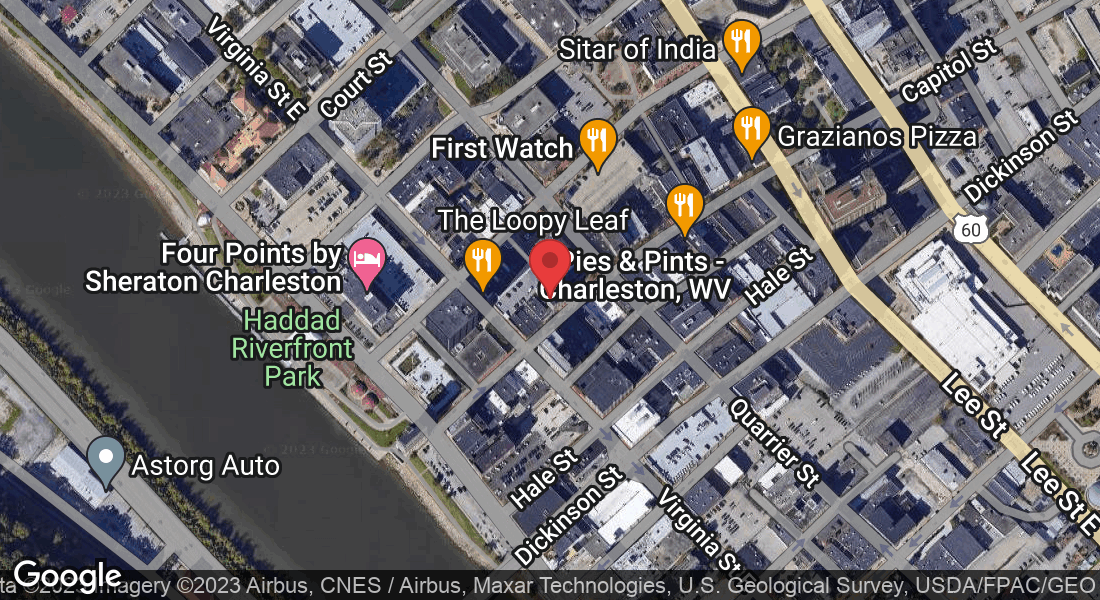
109 Capitol Street Suite 700
Charleston, WV 25301
Assistance Hours
Mon – Fri 9:00am – 5:00pm
Saturday – Sunday CLOSED