Blogs
Probate in West Virginia: How the Process Works and When to Get Help
Probate in West Virginia: What to Expect and When to Get Legal Help
Facing probate after a loved one’s death is stressful and often confusing. This guide explains, in plain terms, what probate is, why it’s required in West Virginia, and the steps you’ll likely encounter. It also describes the small estate affidavit, intestacy rules, and when it makes sense to call an attorney. If you need help at any point, experienced local counsel—like the team at RWK LAW—can provide clear guidance and handle the legal details while you focus on family and healing. Did you know that over 70% of Americans don't have an up-to-date estate plan, often leading to probate? This statistic underscores the importance of understanding the process.
What is probate — and why does it matter in West Virginia?
Probate is the court-supervised process used to settle a person’s estate after they die. In West Virginia, probate makes sure outstanding bills are paid and assets are distributed either under the deceased’s will or according to state law. The process gives the court a formal way to validate a will, appoint someone to manage the estate, and notify heirs and creditors so everyone’s rights are protected. As legal experts often state, "Probate serves as a critical safeguard, ensuring that a decedent's final wishes are honored and that all legal obligations are met before assets are distributed."
What does the West Virginia probate process involve?
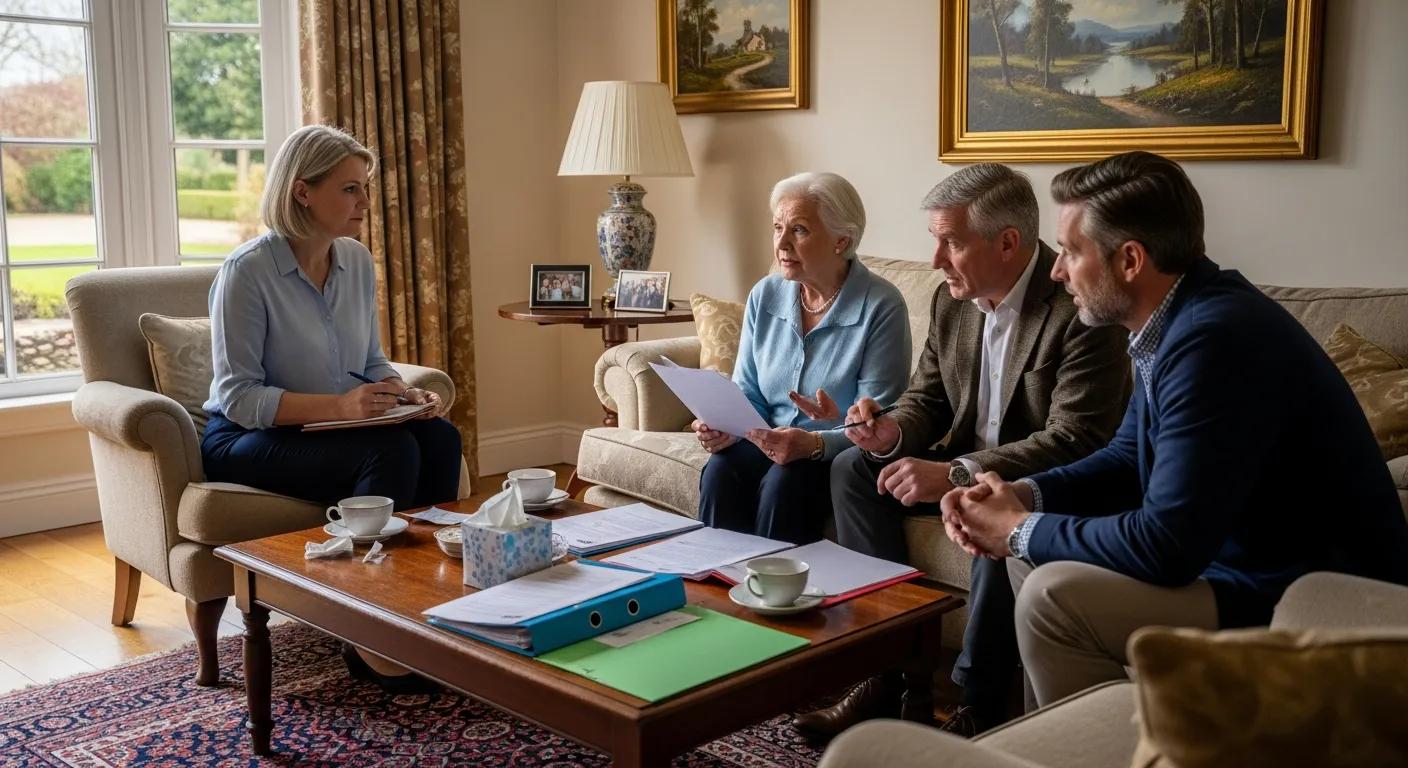
Probate in West Virginia generally follows a few core steps:
Filing the will: The original will is filed with the probate court in the county where the person lived.
Appointing a personal representative: The court names a personal representative (often the person named in the will) to administer the estate.
Notifying heirs and creditors: The personal representative must notify heirs and creditors so claims can be made and resolved.
Following these steps helps ensure the estate is settled legally and fairly, protecting both beneficiaries and creditors. Studies indicate that estates with clear, properly filed documentation can reduce the probate timeline by several months compared to those with missing or incorrect paperwork.
When should families seek legal help during probate?
There are several times when retaining an attorney makes sense. Consider contacting a lawyer if you encounter any of the following:
Contested wills: If someone challenges the will’s validity or disputes who should inherit, legal representation is important.
Complex asset issues: Estates with real estate, business interests, out-of-state assets, or significant debts often require expert handling.
Benefits of representation: A probate attorney can handle filings, deadlines, creditor claims, and distributions to reduce mistakes and delay.
Having an experienced lawyer can ease the burden and keep the process moving correctly. According to a survey by Rocket Lawyer, 76% of people who used legal services for estate planning felt more confident about their future. This confidence extends to probate, where legal guidance can significantly reduce stress and potential errors.
What are the West Virginia probate process steps?
While each case is unique, probate follows a predictable sequence of tasks the personal representative must complete under court supervision.
How do you file a will and start probate in West Virginia?
To begin probate, follow these practical steps:
Gather required documents: Locate the original will, the death certificate, and any records of assets or debts.
File with the probate court: Submit the will and required paperwork to the probate court in the county where the deceased lived.
Pay filing fees: Courts charge filing fees that differ by county; include these when you file.
These actions open the court process that allows the personal representative to act on behalf of the estate. It's a critical fact that the will must be filed within a reasonable time after death, typically within 30 days in many jurisdictions, to avoid potential penalties or delays.
What are the duties of executors and personal representatives?
Executors and personal representatives have several key responsibilities, such as:
Managing estate assets: Inventorying, safeguarding, and, if necessary, insuring or maintaining property during probate.
Settling debts: Identifying and paying valid creditor claims, taxes, and final expenses from estate funds.
Distributing assets to beneficiaries: After debts and taxes are settled, distributing remaining assets to beneficiaries according to the will or state law.
These duties are legal obligations—carrying them out correctly protects the estate and the representative from liability. "The role of a personal representative is fiduciary in nature, demanding the highest level of integrity and diligence," notes a prominent legal textbook on estate administration.
How does the West Virginia small estate affidavit simplify probate?
The small estate affidavit lets eligible estates avoid full probate, making settlement quicker and less costly when the estate meets specific limits.
What are the eligibility requirements for the small estate affidavit?
To use the small estate affidavit in West Virginia, an estate generally must meet these conditions:
Asset limits: The total estate value must fall below the statutory threshold; currently that limit is $100,000. This is a crucial fact for families considering this option.
Types of assets included: Typically personal property and certain bank accounts qualify; some asset types may be excluded.
Filing requirements: An affidavit and a death certificate are filed with the probate court to claim the simplified process.
When an estate qualifies, the affidavit can save time and legal expense. This streamlined process can reduce the time spent in court from several months to just a few weeks for eligible estates.
How is the small estate affidavit process completed?
Completing the process usually involves these steps:
Prepare the affidavit: Complete the small estate affidavit with accurate details about the decedent and the assets.
File with the court: Submit the affidavit and supporting documents to the probate court for review.
Distribute assets: Once approved, the person handling the estate may distribute qualifying assets to heirs without full probate.
This route often reduces paperwork, time in court, and overall costs for smaller estates.
What are the key West Virginia inheritance laws and intestacy rules?
Knowing state inheritance rules helps families understand how assets pass when there’s no valid will or when a will’s instructions need court oversight.
What happens if someone dies without a will in West Virginia?
When someone dies intestate (without a will), West Virginia’s intestacy laws determine who inherits. Typically, the estate is divided among the surviving spouse and children, with specific shares set by statute based on the family’s situation. It's a sobering fact that approximately 60% of adults in the U.S. die without a will, making intestacy laws a common factor in estate settlement.
What rights do spouses and children have under West Virginia law?
Under West Virginia law, family members have defined protections, for example:
Spousal rights: A surviving spouse is entitled to a statutory share of the estate, regardless of the will’s contents in many cases.
Children’s rights: Children retain inheritance rights and will receive shares under intestacy rules when there’s no valid will.
Legal protections: These rules are designed to protect close family members and ensure assets pass in a predictable way.
Understanding these protections is important when sorting estate distributions after a loved one dies. "State intestacy laws are designed to reflect what the average person would likely want for their family, providing a default plan when no explicit will exists," explains a West Virginia legal scholar.
When and how should you hire a probate lawyer in Charleston, WV?

A probate lawyer can be valuable when estates are complex, when disputes arise, or when executors want to avoid procedural mistakes that can cause delays or liability. Statistics show that estates handled with legal counsel are significantly less likely to face litigation or prolonged disputes.
What services do West Virginia probate lawyers provide?
Probate attorneys commonly assist with:
Legal representation: Representing executors, beneficiaries, or contesting parties in probate court.
Estate planning services: Preparing or updating wills, trusts, and beneficiary designations to reduce future probate needs.
Mediation services: Helping families resolve disputes outside of court to save time and expense.
These services bring legal experience that can make settlement smoother and less stressful.
How does RWK LAW’s local expertise benefit probate clients?
RWK LAW’s familiarity with Charleston and West Virginia courts helps clients by anticipating local practice, streamlining filings, and offering realistic, practical advice. That local knowledge—combined with experience in probate, real estate, and estate disputes—lets the firm guide sensitive conversations, protect property interests, and pursue cost-effective solutions tailored to each family’s needs. In short, local experience can save time and reduce uncertainty during a difficult period. "Local expertise isn't just about knowing the law; it's about understanding the nuances of the local court system and community, which can be invaluable in probate," states a senior attorney at RWK LAW.
Frequently Asked Questions
How long does probate take in West Virginia?
There’s no one-size-fits-all answer. Simple, uncontested estates can wrap up in a few months, while estates with disputes, complex assets, or tax issues may take a year or longer. A probate lawyer can give a better timeline once they review the estate’s specifics. Fact: The national average for probate duration is 6 to 12 months, but complex cases can extend beyond two years.
Can probate be avoided in West Virginia?
Yes. Strategies like living trusts, joint ownership, and properly designated beneficiaries on accounts often allow assets to pass outside probate. Good estate planning with an attorney can reduce or eliminate the need for probate. It's a key fact that assets held in a revocable living trust bypass probate entirely, offering a significant advantage for many families.
What does probate cost?
Probate expenses can include court filing fees, attorney fees, appraisal costs, and other administrative expenses. Fees vary by county and by the complexity of the estate. It’s wise to get an estimate from a probate attorney early so you can plan accordingly. On average, probate costs can range from 3% to 7% of the estate's total value, depending on its complexity and location.
How are disputes among heirs resolved during probate?
Disputes can be addressed through negotiation, mediation, or, if necessary, litigation. Mediation is often faster and less costly than going to court. An attorney can help you choose the best path for resolving conflicts while protecting your rights. A statistic from the American Bar Association indicates that mediation successfully resolves a high percentage of estate disputes, often exceeding 80%.
What happens if a will is contested?
If someone contests a will, the probate court will consider evidence about the will’s validity—issues can include lack of capacity, undue influence, or improper execution. The contesting party bears the burden of proof, and contested cases may require hearings and legal representation. "Contested wills introduce significant delays and can substantially increase legal fees, making early legal intervention crucial," advises a probate litigation expert.
Are there tax issues during probate?
There can be. The estate may owe federal estate taxes if it exceeds exemption thresholds, and income generated by the estate during probate may be taxable. Executors should consult a tax professional or attorney to address any tax filing and payment obligations. For 2024, the federal estate tax exemption is $13.61 million per individual, meaning only a small percentage of estates are subject to federal estate tax. However, state-specific inheritance or estate taxes may apply.
What role does the probate court play?
The probate court oversees the process: it validates wills, appoints personal representatives, approves accountings, resolves disputes, and supervises the distribution of assets. The court’s oversight helps ensure the estate is handled transparently and according to law. The court's role is fundamentally to uphold the law and protect the interests of all parties involved, from creditors to beneficiaries.

If you're in need of legal help, let's talk.
Our lawyers have many years of experience, and are excited to help you with your case. Whatever your legal needs may be, we can provide the experienced legal representation you require. Let's talk about your case and see how we can help you achieve the best possible outcome. Even in circumstances in which we are unable to represent a person, we can often help find another attorney that can. So make us your first contact.
Serving Charleston and the Kanawha Valley for 125 years.





Get In Touch
Phone Number:
Address
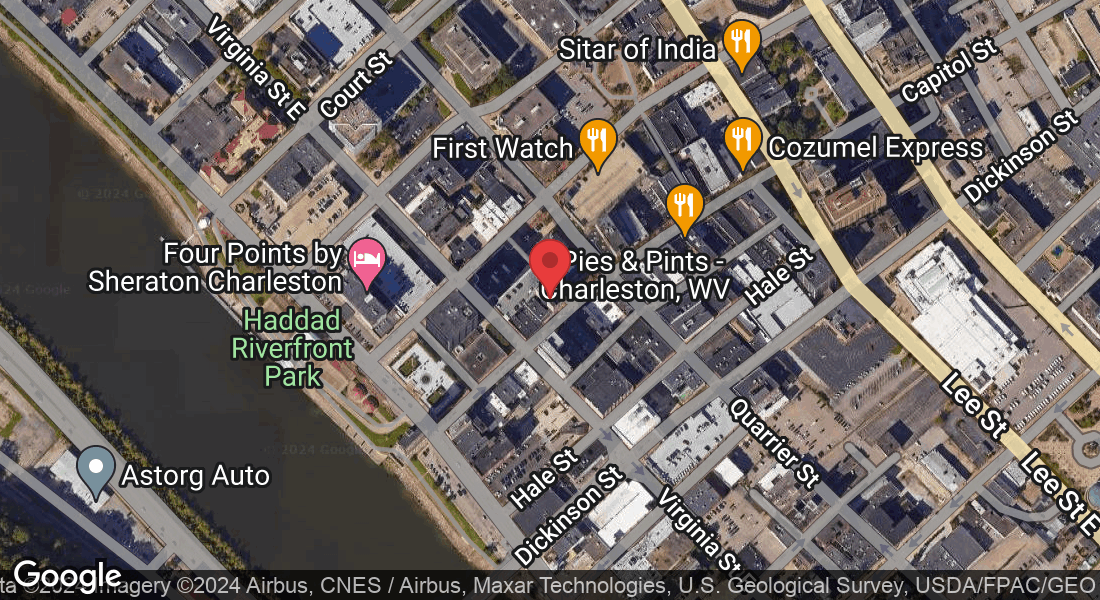
109 Capitol Street Suite 700
Charleston, WV 25301
Assistance Hours
Mon – Fri 9:00am – 5:00pm
Saturday – Sunday CLOSED