Blogs
Probate Lawyer in Charleston, WV: What Probate Is and How Long It Takes
Probate Lawyer in Charleston, WV: Understanding Probate and Its Duration
Probate can present procedural and administrative challenges for families in Charleston, WV. It is the statutory process by which a decedent's will is admitted, and the estate is administered under court supervision. Understanding the process helps ensure assets are distributed according to the decedent's intent. The article summarizes probate's nature, main stages, typical timeframes in West Virginia, common delays, executor duties, and how a probate attorney can assist.
What Is the Probate Process in West Virginia?
Probate in West Virginia follows legally mandated steps to administer an estate. It ordinarily begins with filing the decedent's will at the local probate court, which opens the estate file and leads to appointment of a personal representative—often named in the will—who administers the estate. The personal representative identifies and inventories assets, satisfies valid creditor claims and taxes, and distributes the residue to beneficiaries under the will.
Knowing these procedural stages establishes the legal framework for estate administration in the jurisdiction. The next section lists the specific stages commonly encountered.
Key Steps in West Virginia Probate Administration

The probate administration process in West Virginia consists of several critical steps:
Filing the Will: The first step is to file the deceased's will with the probate court, which validates the document and initiates the probate process.
Appointing a Personal Representative: The court appoints a personal representative, often referred to as an executor, who is responsible for managing the estate.
Inventorying Assets: The personal representative must compile a comprehensive inventory of the deceased's assets, including real estate, bank accounts, and personal belongings.
Paying Debts and Taxes: Before distributing assets, the personal representative must settle any outstanding debts and taxes owed by the estate.
Distributing the Estate: Once all debts are paid, the remaining assets are distributed to the beneficiaries as outlined in the will.
These steps ensure compliance with West Virginia statutory requirements and help minimize the risk of post-distribution disputes.
Legal Framework Governing Probate in Charleston, WV
Probate in Charleston is governed principally by West Virginia Code, Chapter 42, which prescribes filing requirements, notice obligations, and the duties and powers of personal representatives. Local practice in Kanawha County may affect procedural nuances, so practitioners and estate participants should consider both state statutes and county-level procedures when assessing requirements and timelines. The statutory regime also provides remedies for heirs when fraud or other irregularities are alleged.
West Virginia Probate Law: Heir Remedies & Fraud Actions
West Virginia statute: the defrauded heirs would have a remedy under the Uniform Probate Code and could bring an action for fraud under this section.
West Virginia and the Uniform Probate Code: An Overview Part I, 1973
Familiarity with the applicable legal framework helps preserve legal remedies and ensure procedural compliance. The next section examines typical probate durations in Charleston.
How Long Does Probate Take in Charleston, WV?
Probate duration in Charleston varies with estate complexity and procedural factors. Many estates reach final distribution within roughly six months to one year, but complex assets, multiple beneficiaries, creditor claims, or contested matters can extend that period.
Estates with limited assets and no creditor disputes or beneficiary contests tend to conclude toward the shorter end of the range. Significant assets, complex tax issues, or family disputes may add months; setting reasonable timing expectations assists families with planning and decisions.
Typical Probate Timeline and Duration in West Virginia
The probate timeline generally follows a structured path, though cases differ. A typical timeline includes:
Initial Filing: The will is filed with the probate court, usually within 30 days of death.
Appointment of Personal Representative: This typically occurs within a few weeks after filing.
Inventory of Assets: The personal representative usually has 90 days to complete the inventory.
Debt Settlement: Settling debts and taxes can take several months, depending on the estate's complexity.
Distribution of Assets: After debts are settled, distribution often occurs within 6–12 months of the initial filing.
This timeline is a general overview—consult a probate attorney for guidance tailored to specific circumstances.
Common Causes of Probate Delays in Charleston
Factors that commonly delay probate in Charleston include:
Disputes Among Beneficiaries: Conflicts can trigger legal challenges that prolong administration. For assistance with dispute resolution, consider mediation services.
Incomplete Documentation: Missing or incorrect paperwork requires correction and court approval, causing delay.
Complex Estates: Numerous assets or complicated financial situations take longer to resolve.
Creditor Claims: Filed claims must be resolved before distribution, extending the timeline.
Proactive steps—early document collection and timely legal consultation—can reduce the risk of extended administration.
What Are the Duties of an Executor in West Virginia Probate?

The executor, or personal representative, administers the estate under court supervision. Core duties include:
Locating and Securing Assets: Identify and safeguard estate property to prevent loss.
Notifying Creditors and Beneficiaries: Inform creditors and notify beneficiaries of the probate proceedings.
Managing Estate Finances: Pay debts, file and pay taxes, and manage ongoing expenses.
Distributing Assets: After obligations are satisfied, distribute remaining assets per the will.
Clear knowledge of these duties helps executors perform competently and reduces exposure to personal liability for mismanagement.
Executor Responsibilities During Estate Administration
Executor duties are extensive and require careful attention. Key responsibilities include:
Paying Claims and Taxes: Ensure valid claims and taxes are paid, including state and federal obligations.
Accounting for Assets: Maintain accurate records of estate transactions, income, expenses, and distributions.
Communicating with Beneficiaries: Keep beneficiaries informed about probate status to promote transparency.
Many wills include executor discretion provisions, which give reasonable flexibility in implementing the testator's intent during administration.
Executor Discretion in Estate Administration
As bounded discretion offers flexibility in many legal contexts, an "executor discretion clause" along these lines might help better implement the intent of the testator at the time of their death.
Executor Discretion, J Toomey, 2024
These obligations highlight the value of selecting an experienced executor or retaining counsel to assist with statutory duties.
Legal Obligations Under West Virginia Probate Code
Under the West Virginia Probate Code, executors must perform statutory acts to comply with court requirements, including filing the decedent's will, providing required notices, and submitting a complete inventory of estate assets within prescribed timeframes. Typical statutory tasks include:
Filing the Will: File the will with the probate court within the required timeframe.
Appointing a Personal Representative: Ensure a personal representative is appointed to manage the estate.
Providing an Inventory: Submit a detailed inventory of the estate's assets to the court.
Observing these obligations helps avoid procedural sanctions and protects the estate and beneficiaries from unnecessary litigation.
How Can a Charleston Probate Attorney Assist You?
A probate attorney provides legal advice and procedural assistance through estate administration. Attorneys help with case assessment, statutory compliance, document preparation and filing, creditor notice and claim resolution, tax matters, and representation in contested proceedings. Their involvement can streamline administration and reduce legal exposure for executors and beneficiaries.
Attorney Assistance in Wills & Probate
Not only is this the time when the donor might reasonably be expected to need the assistance of the attorney but it gives rise to two major inconveniences.
Powers of attorney, wills and probate, 2005
Initial Consultation: An attorney can explain the probate process and advise on rights and responsibilities.
Document Preparation: Attorneys prepare and file necessary legal documents to ensure state law compliance.
Navigating Disputes: If conflicts arise, a probate attorney can mediate or provide litigation representation as needed. For related services, see our lawyer disciplinary proceedings and general civil law litigation practice areas.
Engaging qualified counsel can reduce administrative burden and let families focus on personal matters while legal requirements are handled professionally.
Legal Guidance Through Probate Steps
Legal guidance clarifies filing requirements, appointment of a personal representative, asset management, and final distribution. A probate attorney drafts filings and advises on strategy to avoid common procedural errors. For comprehensive legal support, explore our estate planning, wills, trusts, and estate administration services.
Addressing Probate Challenges and Disputes
Disputes—contested wills, creditor claims, or beneficiary disagreements—may be resolved by negotiation, mediation, or litigation. A probate attorney evaluates options and represents clients to protect estate interests and limit escalation. For mediation services, visit our mediation page.
For more information about our firm, please visit our about us page.
If you need assistance with real estate matters, consider exploring our real estate law services.
To get in touch with our team, please visit our contact us page.
Frequently Asked Questions
What are the costs associated with hiring a probate attorney in Charleston, WV?
Fees vary with estate complexity and the attorney's fee structure. Common models include hourly rates, flat fees for specific services, or a statutory or agreed percentage of the estate. Prospective clients should request a clear fee agreement at the initial consultation and ask about retainers, billing practices, and payment options.
Can probate be avoided in West Virginia?
Yes. Probate can be avoided or reduced through estate planning measures such as a revocable living trust, joint ownership with rights of survivorship, and payable-on-death or transfer-on-death beneficiary designations. Each method has legal and tax implications, so consult an estate planning attorney to implement these properly. Our estate planning practice can assist.
What happens if someone dies without a will in West Virginia?
When someone dies intestate, West Virginia's intestacy laws determine distribution among surviving relatives. The court appoints a personal representative and distributes assets according to statutory priority, which may differ from the decedent's wishes. Intestacy can lengthen administration and increase family discord, so creating a valid will is advisable.
How can disputes among beneficiaries be resolved during probate?
Beneficiary disputes may be resolved through negotiation, mediation, or litigation. Mediation can be cost-effective; if that fails, probate court will adjudicate contested issues. Legal counsel helps parties evaluate options and assert or defend their rights. For mediation options, see our mediation services.
What is the role of a personal representative in the probate process?
The personal representative (executor) administers the estate under court oversight: locating and securing assets, notifying creditors and beneficiaries, compiling and filing an inventory, paying valid claims and taxes, accounting for transactions, and distributing assets per the will or intestacy laws. The role requires diligence, accurate records, and adherence to statutory timelines.
Are there any tax implications during the probate process?
Yes. The estate may incur federal or state estate or inheritance taxes depending on value, and income generated by estate assets during administration may be subject to income tax. The personal representative should consult a tax professional to determine filing obligations and ensure timely payment to avoid penalties.

If you're in need of legal help, let's talk.
Our lawyers have many years of experience, and are excited to help you with your case. Whatever your legal needs may be, we can provide the experienced legal representation you require. Let's talk about your case and see how we can help you achieve the best possible outcome. Even in circumstances in which we are unable to represent a person, we can often help find another attorney that can. So make us your first contact.
Serving Charleston and the Kanawha Valley for 125 years.




Get In Touch
Phone Number:
Address
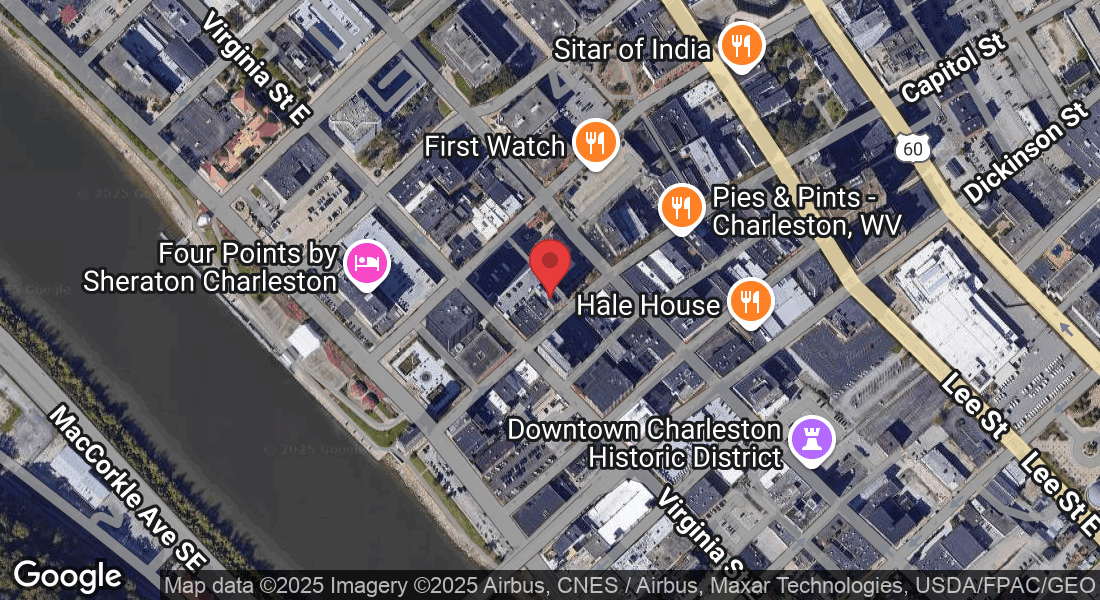
109 Capitol Street Suite 700
Charleston, WV 25301
Assistance Hours
Mon – Fri 9:00am – 5:00pm
Saturday – Sunday CLOSED