Blogs

Property Division in a WV Divorce: Marital vs Separate Property (Plain English)
Property Division in a West Virginia Divorce: Marital vs. Separate Property and How Equitable Distribution Works
Dividing property in divorce is rarely simple. In West Virginia, whether an asset is marital or separate determines what the court can divide, and the court uses equitable distribution rather than an automatic 50/50 split. This article explains what counts as marital or separate property, how courts approach equitable distribution, and how debts are allocated so you can better understand your options.
What counts as marital property under West Virginia law?

Marital property generally includes assets and debts acquired during the marriage that are subject to division. This classification determines what the court may divide and helps you prepare for settlement or litigation.
How does West Virginia define marital property — and what are common examples?
Marital property typically includes most assets and debts obtained while the marriage was ongoing, regardless of whose name is on the title, unless the item is legally separate. Common examples include:
Real Estate: Houses or land bought during the marriage. For legal matters involving real estate, you can learn more about real estate law and litigation.
Bank Accounts: Joint accounts and individual accounts funded with marital income.
Retirement Accounts: Pensions, 401(k)s, and similar plans that grew during the marriage.
The court seeks an equitable division — fair under the circumstances, which may not be an exact split.
Which specific assets and debts typically qualify as marital property?
Marital property can include a broad range of items, such as:
Vehicles: Cars and other vehicles purchased while married.
Personal Property: Furniture, electronics, and household goods bought during the marriage.
Debts: Mortgages, credit-card balances, and loans incurred for the couple’s benefit.
Understanding which of your assets fit these categories helps protect your financial interests during the divorce process.
How is separate property defined and protected in West Virginia?
Separate property belongs to one spouse and is generally not divided. It covers assets and debts that originated outside the marriage or were intended for one spouse alone.
What qualifies as separate property under West Virginia law?
West Virginia usually treats the following as separate property:
Assets Owned Before Marriage: Property held prior to marrying.
Gifts and Inheritances: Items given or bequeathed specifically to one spouse.
Personal Injury Awards: Settlements or awards meant for one spouse, provided funds weren’t commingled with marital assets.
When documented and kept separate, these items typically remain the original owner’s sole property.
How can you prove an asset is separate and keep it out of division?

To exclude property, the owning spouse should provide clear records, such as:
Title Deeds: Showing ownership before the marriage began.
Gift Letters: Documents stating a gift was intended for one spouse alone.
Bank Statements: Proof of inheritance or settlement funds kept in separate accounts and not commingled with marital money.
Consistent handling and documentation of separate funds make it easier to keep those assets out of the equitable-distribution analysis.
How does West Virginia handle equitable distribution of property?
Equitable distribution means the court divides marital property fairly, considering a range of factors rather than applying a fixed formula.
What factors do courts consider when dividing marital assets?
West Virginia judges weigh elements such as:
Length of the Marriage: Longer marriages often lead to a more balanced division.
Contributions to the Marriage: Both financial and nonfinancial contributions, like homemaking or child care.
Economic Circumstances: Each spouse’s financial outlook and ability to support themselves after divorce.
These guide the court toward a distribution that reflects each spouse’s role and future needs.
What other legal factors can affect equitable distribution?
Other considerations include:
Age and Health: Older or medically vulnerable spouses may receive a larger share to address future needs.
Custody Issues: Division can reflect the needs of children and custodial schedules.
Tax Implications: Potential tax costs of dividing certain assets are taken into account.
Knowing these factors helps you build a realistic negotiation or litigation strategy.
How are debts treated and divided in a West Virginia divorce?
Debts, like assets, are classified as marital or separate, which affects who the court assigns responsibility to after the divorce.
Which debts typically count as marital versus separate?
Examples of marital debts include:
Joint Credit Card Balances: Charges on joint accounts during the marriage.
Mortgages: Loans for property acquired while married.
Personal Loans: Debts incurred to cover household or family expenses.
Separate debts are those taken on by one spouse before marriage or solely for that spouse’s separate benefit.
How does debt division affect the overall settlement?
Debts change the net outcome of a settlement: a spouse assigned large marital debts may receive fewer assets to balance total value. Courts aim for an equitable result that accounts for both assets and liabilities.
In short, knowing the difference between marital and separate property and how courts apply equitable distribution is key when navigating divorce in West Virginia. If you need experienced help, Ray, Winton and Kelley, PLLC focuses on family law, including property division, and can advise you on protecting your financial future and seeking a fair outcome. They also handle estate planning, wills, trusts, and estate litigation, real estate law and litigation, employment law, lawyer disciplinary proceedings, general civil law litigation, and corporate law litigation. For more about the firm, visit their About Us page or contact them directly.
(This article content is presented without external links.)
Frequently Asked Questions
What should I do if I believe my spouse is hiding assets during the divorce?
Gather whatever financial records you can access and consult a divorce attorney promptly. An attorney can demand full financial disclosures, subpoena bank and brokerage records, or hire a forensic accountant to trace hidden funds. Proven concealment can alter property division, so act quickly.
Can I modify the property division agreement after the divorce is finalized?
Modifying a final property division is difficult and rare. Orders are typically binding, though courts may reopen terms in limited circumstances such as fraud or a major, provable change in financial status. Consult an attorney to evaluate your options.
How does the court treat property acquired after separation but before the divorce is final?
Property obtained after separation may still be marital if purchased with marital funds or if it benefited the marriage. Property bought with traceable separate funds and kept apart may be treated as separate. Courts review how and with what funds the property was acquired.
What role does mediation play in property division?
Mediation lets spouses negotiate with a neutral facilitator and often yields faster, less adversarial results while reducing fees. It works best when both parties bring complete financial information and realistic goals and are willing to compromise.
Are there tax implications I should be aware of regarding property division?
Yes. Transfers such as retirement accounts or home sales can have tax consequences; mishandled retirement-account transfers may trigger taxes or penalties. Consult a tax advisor or financial planner along with your attorney to minimize tax impact.
What happens to marital debts if one spouse files for bankruptcy?
Bankruptcy can affect marital debts differently depending on the bankruptcy type and who files. Some debts may be discharged while others remain the non-filing spouse’s responsibility. Bankruptcy can also complicate or delay property-division proceedings; consult both a family law attorney and a bankruptcy attorney to understand the effects.

If you're in need of legal help, let's talk.
Our lawyers have many years of experience, and are excited to help you with your case. Whatever your legal needs may be, we can provide the experienced legal representation you require. Let's talk about your case and see how we can help you achieve the best possible outcome. Even in circumstances in which we are unable to represent a person, we can often help find another attorney that can. So make us your first contact.
Serving Charleston and the Kanawha Valley for 125 years.






Get In Touch
Phone Number:
Address
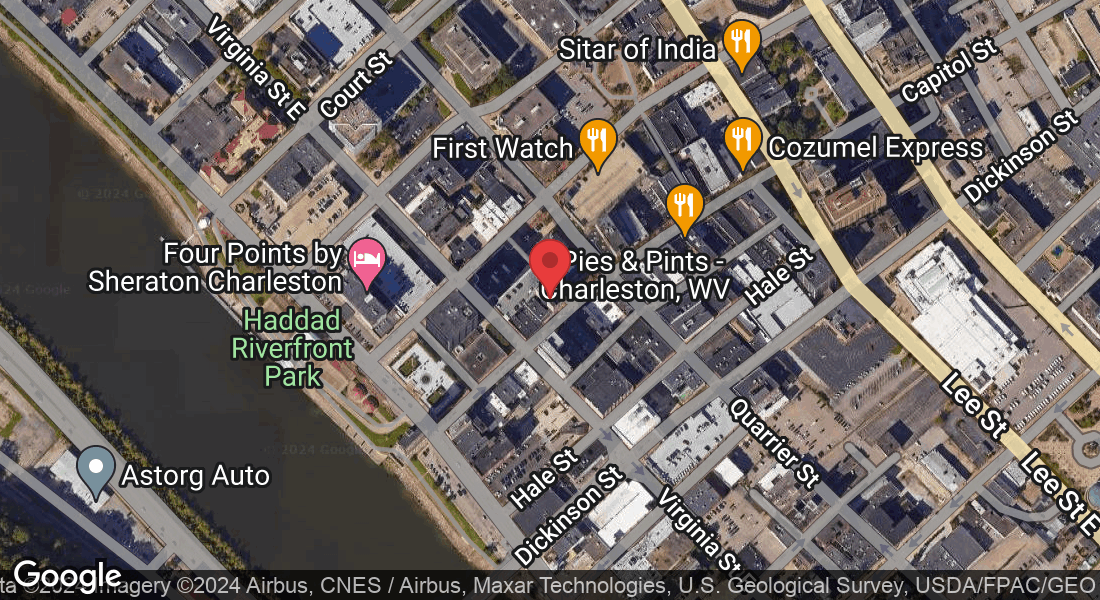
109 Capitol Street Suite 700
Charleston, WV 25301
Assistance Hours
Mon – Fri 9:00am – 5:00pm
Saturday – Sunday CLOSED