Blogs

Expert Legal Solutions for Real Estate Disputes in WV
Real Estate Disputes in West Virginia — Common Causes and Practical Legal Solutions for Property Owners
Real estate disputes in West Virginia typically stem from lease disagreements, habitability and eviction issues, boundary and title conflicts, and questions of ownership after inheritance. Property owners protect themselves best with clear lease drafting, adherence to fair housing rules, and timely consultation with experienced legal counsel when disputes arise. Tenants also have options: negotiate, document habitability concerns, and pursue the remedies the law provides.
What Are the Most Common Types of Real Estate Disputes in West Virginia?
Common disputes in West Virginia include landlord-tenant conflicts, problems that arise during property transactions, title defects discovered on closing, and contract disputes connected to sales or leases. Landlord-tenant issues often involve unpaid rent, charge disagreements, or maintenance failures. Transaction problems can show up as title encumbrances, boundary disagreements, or zoning noncompliance. Many matters are resolved through informal negotiation or mediation, though some require formal litigation in state court.
How Do Boundary Disputes Arise Among West Virginia Property Owners?

Boundary disputes often begin with unclear property descriptions, conflicting surveys, informal neighbor agreements that were never documented, or disagreements about easements. Inherited parcels can add complexity when ownership lines were never clearly defined. Common solutions include commissioning a new survey, negotiating boundary agreements, or pursuing litigation to obtain a clear judicial determination of property lines.
What Causes Title Disputes and Clouded Titles in West Virginia?
Title disputes and clouded titles commonly result from:
Title Defects: Liens, encumbrances, easements, or recording errors that limit ownership rights.
Ownership Disputes: Competing claims or unclear transfers of title.
Boundary Disputes: Unresolved line issues that affect the title.
Inherited Property Issues: Conflicts among heirs or unclear probate transfers.
Unresolved Legal Obstacles: Outstanding liens, judgments, or missing documents that cloud marketability.
Addressing these problems requires legal review and, when necessary, litigation or quiet title actions to ensure buyers receive clear, marketable title.
How Does West Virginia Law Address Real Estate Contract Disputes?
West Virginia handles contract disputes through a mix of negotiation, alternative dispute resolution, and court action. The right approach depends on the dispute’s nature, the relationship between parties, and the financial stakes. For complex contract issues, retaining a real estate attorney is advisable to protect your interests and guide strategy. Legal assistance from a real estate attorney can be especially valuable when contracts involve ambiguous terms or significant consequences.
What Are the Legal Remedies for Breach of Real Estate Contracts in WV?
Available remedies in West Virginia typically include:
Monetary Damages: Compensation for losses caused by the breach.
Specific Performance: A court order requiring the breaching party to complete the contract, used when the property is unique.
Rescission: Cancelling the contract and restoring the parties to their pre-contract positions.
Courts select remedies based on what will best put the injured party in the position they would have been in absent the breach.
When Is Specific Performance Applied in West Virginia Real Estate Cases?
Specific performance is ordered when money cannot adequately remedy the harm — for example, when a buyer seeks a particular parcel that cannot be replaced on the market. In such cases, a court may require the seller to complete the sale to give the buyer the property they contracted to buy.
What Legal Solutions Are Available for Resolving Property Line and Easement Disputes in West Virginia?
Property line and easement disputes can be handled through direct negotiation, mediation, or litigation. Mediation is often a cost-effective, flexible choice that lets parties craft practical solutions outside of court. When title or ownership remains contested, a quiet title action provides a formal path to clarify rights and remove clouds on title.
How Can Mediation Help Settle Boundary and Easement Conflicts in WV?
Mediation brings a neutral facilitator into the conversation to help parties communicate and explore solutions. It’s usually faster and less costly than litigation, and it allows for creative outcomes — for example, negotiated boundary lines, shared maintenance plans, or tailored easement agreements. Because mediation is voluntary and confidential, parties maintain control over the result and can preserve working relationships that a courtroom fight might damage.
Confidentiality encourages candid discussion, and the process can produce binding, written agreements that prevent future disputes. For many property owners, mediation is the practical first step before considering court relief.
What Is the Role of Quiet Title Actions in Resolving West Virginia Property Disputes?
Quiet title actions ask the court to declare who has legal title to a parcel and to remove competing claims. These actions are especially useful when ownership is unclear due to boundary questions, multiple claimants, or inherited interests. A successful quiet title judgment clears the record and restores marketability, reducing the risk of future claims against the property.
Quieting title has long been a central tool for establishing clear property ownership in the region.
West Virginia Land Titles & Ownership Conflict Resolution
The quieting of land titles is the legal process used to settle ownership conflicts and produce clear, marketable title. Issues with clear title in western Virginia trace back to eighteenth-century land grants to large companies such as the Ohio Company, the Greenbrier Company, and the Loyal Company.
Benjamin Harrison Smith, Land Titles, and the West Virginia Constitution, 2012
How Can West Virginia Property Owners Navigate Inherited Property and Landlord-Tenant Disputes?
Property owners should approach inherited-property and landlord-tenant disputes with a clear plan: understand the controlling law, document ownership and use, and pursue prompt dispute resolution. Key steps include:
Lease Agreements: Use clear, enforceable leases that set expectations and reduce later conflict.
Legal Obligations: Know state and local duties for landlords and the rights tenants are entitled to.
Dispute Resolution: Act quickly to negotiate, mediate, or use legal channels for rent or habitability disputes.
Professional Legal Assistance: Engage experienced real estate counsel for complex transactions, probate issues, or contested ownership claims.
When property is inherited, owners often need legal help to sort title, partition interests, or resolve sibling disagreements. Early legal guidance helps avoid prolonged conflict and preserves value.
What Are Common Causes of Inherited Property Disputes in West Virginia?
Inherited property disputes most often arise from:
Ambiguities in Wills: Vague or contradictory language that invites different interpretations.
Family Dynamics: Personal conflicts that complicate decision-making and management.
Poor Communication: Failure to discuss plans for use, sale, or maintenance among heirs.
Addressing these issues early — through mediation, estate review, or litigation when necessary — reduces the chance of drawn-out fights.
How Does West Virginia Law Regulate Landlord-Tenant Conflicts and Evictions?
West Virginia law sets notice requirements, cure periods for certain lease violations, and court procedures that let tenants present defenses. Tenants may challenge evictions based on improper notice, habitability failures, retaliatory actions, or discrimination. Anti-retaliation protections and habitability defenses can be powerful tools for tenants; when proven, they may defeat an eviction and even allow recovery of damages. The statutory and case law framework seeks to balance a landlord’s right to control property with a tenant’s right to safe, lawful housing.
Why Choose RWK LAW for Real Estate Litigation and Mediation Services in Charleston, WV?
You should choose RWK LAW because the firm combines deep local experience with practical legal advice tailored to real property problems. They emphasize clear communication so clients understand their options and consequences. Services include contract review, title clearing, closing coordination, and courtroom representation when needed. RWK LAW has a long-standing presence in Charleston and the Kanawha Valley, serving the community for more than a century.
How Does RWK LAW Provide Practical Legal Guidance for West Virginia Property Disputes?
RWK LAW helps clients resolve boundary disputes, clarify ownership, negotiate or challenge easements, and file or defend quiet title actions. The firm prioritizes solutions that reduce emotional strain and financial cost, presenting straightforward legal options so clients can make informed decisions. Their experience with commercial and residential matters means they can handle complex, high-stakes issues effectively.
What Are the Benefits of Mediation Versus Litigation for Real Estate Conflicts in WV?

Mediation often outperforms litigation for many real estate disputes because it is:
More Cost-Effective: Typically lower fees than prolonged court cases.
Faster: Resolutions usually occur more quickly than litigation timelines.
Flexible: Parties can craft tailored solutions a judge might not be able to order.
Relationship-Preserving: Mediation encourages communication, which helps preserve ongoing relationships.
Confidential: Discussions are private and generally inadmissible in later proceedings.
Controlled by the Parties: Participants retain control and can walk away if mediation fails.
Informed by Experts: Real estate mediators bring practical experience that helps shape workable agreements.
For many disputes, mediation offers an efficient, pragmatic alternative to the adversarial process of litigation.
If you are facing a real estate dispute in West Virginia, seek timely legal advice. For tailored guidance about your situation, contact RWK LAW today.
Frequently Asked Questions
What should I do if I receive an eviction notice in West Virginia?
First, read the notice carefully to confirm the reason and whether it meets state notice requirements. Document any relevant facts, such as repair requests or payment records. You may have defenses like improper notice or landlord failures to maintain habitability. Consider consulting an attorney promptly to evaluate defenses, negotiate with the landlord, or prepare for court if necessary.
How can I prevent real estate disputes before they arise?
Prevent disputes by using clear, written agreements; keeping complete records; communicating promptly with neighbors and tenants; and confirming boundary lines and easements with surveys and recorded documents. Consulting a real estate attorney during transactions can prevent costly surprises later.
What are the implications of a clouded title on property ownership?
A clouded title creates uncertainty that can block a sale, refinance, or insurance and expose the owner to third‑party claims. Resolving title issues often requires legal action — commonly a quiet title suit — to clear competing claims and restore marketability.
What role does a real estate attorney play in property disputes?
A real estate attorney advises on rights and obligations, negotiates settlements, drafts and reviews documents, and represents clients in mediation or court. Attorneys help interpret complex rules, reduce risk, and pursue the most appropriate dispute-resolution path for the client’s goals.
How can I resolve a dispute over inherited property with family members?
Begin with open, documented conversations about goals and options. If discussions stall, consider mediation to reach a negotiated division or management plan. If necessary, obtain legal advice to interpret wills, probate records, and title, and to pursue partitions or quiet title actions when agreement is impossible.
What are the benefits of using mediation for real estate disputes?
Mediation is generally less expensive and faster than litigation, encourages creative and flexible solutions, preserves relationships, protects confidentiality, and keeps control with the parties. For many property disputes, mediation produces practical, durable outcomes without the time and expense of court.

If you're in need of legal help, let's talk.
Our lawyers have many years of experience, and are excited to help you with your case. Whatever your legal needs may be, we can provide the experienced legal representation you require. Let's talk about your case and see how we can help you achieve the best possible outcome. Even in circumstances in which we are unable to represent a person, we can often help find another attorney that can. So make us your first contact.
Serving Charleston and the Kanawha Valley for 125 years.




Get In Touch
Phone Number:
Address
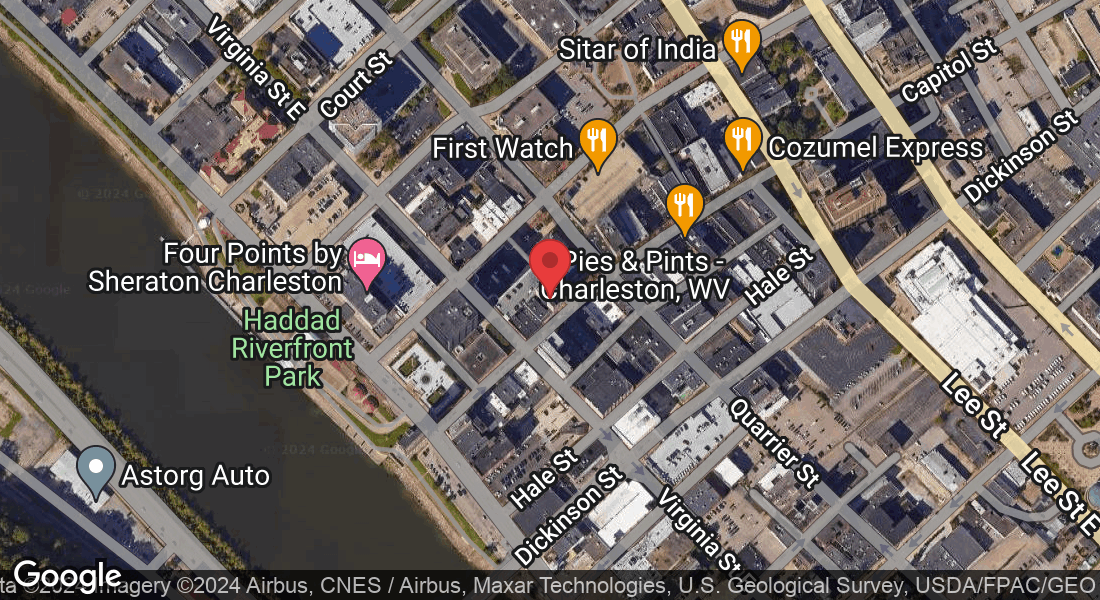
109 Capitol Street Suite 700
Charleston, WV 25301
Assistance Hours
Mon – Fri 9:00am – 5:00pm
Saturday – Sunday CLOSED