Blogs
Real Estate Disputes in WV: Boundary Lines, Easements, and Right-of-Way Issues
Real Estate Disputes in WV: Boundary Lines, Easements, and Right-of-Way Issues
Disputes over boundary lines, easements, and rights-of-way can raise legal and practical problems for property owners. In West Virginia, resolving these matters requires knowledge of property law and an orderly approach to facts and remedies. This article summarizes common dispute types, explains how boundary disagreements are identified, and outlines practical resolution paths, including mediation and litigation.
Boundary Line Dispute Lawyer WV: Resolving Real Estate Disputes in West Virginia

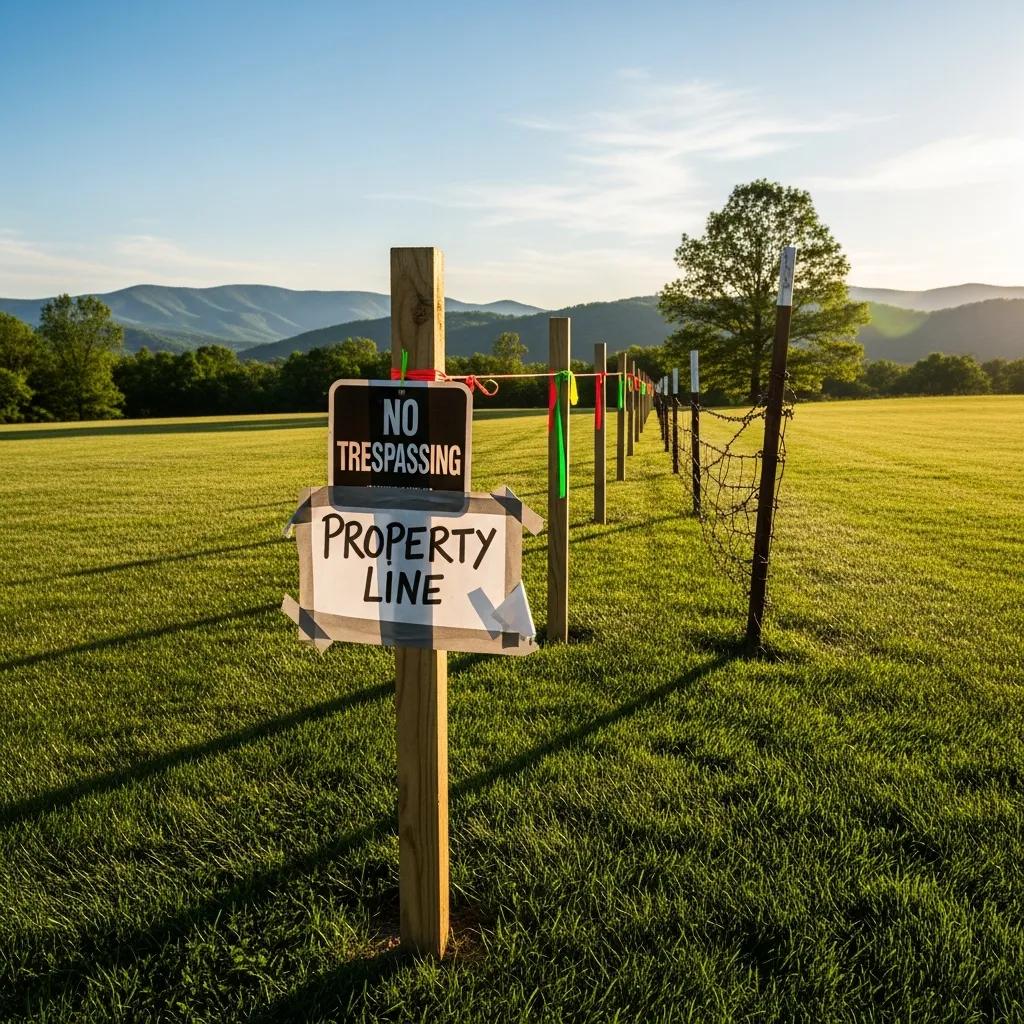
Boundary disputes occur when adjoining owners disagree about the location of property lines. They often require factual investigation and, when necessary, legal action. Common first steps include:
Hire a Licensed Surveyor: A survey determines boundaries from legal descriptions and prior surveys.
Consult a Real Estate Attorney: An attorney explains legal rights and options.
Attempt Mediation: Before litigation, mediation can resolve issues more quickly and affordably.
Following these steps helps preserve evidence and avoid unnecessary escalation.
What Are the Common Types of Real Estate Disputes in West Virginia?
Common dispute categories include:
Boundary Disputes: Conflicts over the precise location of property lines.
Landlord-Tenant Disputes: Lease-related issues such as eviction or maintenance.
Easement Conflicts: Disagreements over use rights on another’s land.
Identifying the category guides the legal strategy and remedies.
How Are Boundary Line Disputes Defined and Identified?
A boundary dispute is a disagreement about the location or extent of property lines. Resolution focuses on facts and legal records.
Document Review: Deeds and historical records can clarify boundary descriptions.
Professional Survey: A licensed surveyor provides precise measurements and maps.
Negotiation: Direct communication between neighbors can resolve many issues early.
Documentary review, surveying, and negotiation are the core tools for resolving disputes.
What Constitutes Easement Rights in West Virginia Property Law?
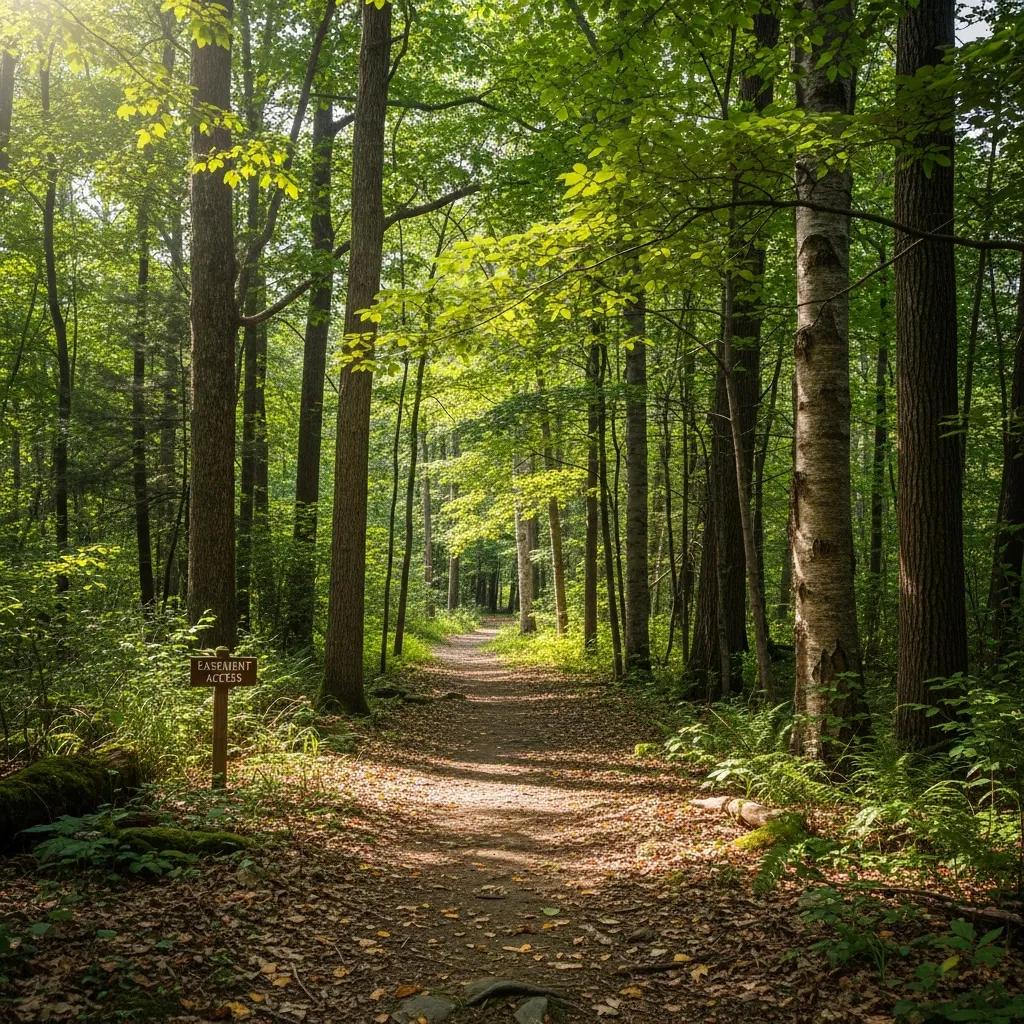
An easement is a legal right to use another party’s land for a limited purpose. Easements arise in several ways:
Express Easements: Written agreements that expressly grant use rights.
Implied Easements: Created by conduct or circumstances that indicate an intended use.
Prescriptive Easements: Established by open, continuous use over the statutory period (commonly ten years).
Knowing the type of easement affects the available defenses and remedies.
How Can Property Owners Resolve Boundary and Easement Conflicts?
Resolve disputes with a stepwise approach that preserves options:
Negotiation: Try to reach a simple agreement with the other party.
Mediation: A neutral mediator can help craft a binding settlement without court.
Legal Analysis: Consult a real estate attorney when legal interpretation or enforcement is needed.
These options limit cost and preserve evidence if litigation becomes necessary.
When Is Mediation Appropriate for Real Estate Disputes?
Mediation suits many property disputes, especially when parties want a negotiated outcome and to avoid protracted court proceedings. Typical uses include:
Boundary Line Disagreements: Mediation clarifies facts and reaches compromise solutions.
Landlord-Tenant Disputes: It can resolve lease disputes without eviction proceedings.
Contractor Disputes: Mediation can settle disagreements over work or payment.
Mediation is less adversarial, often faster, and can preserve relationships while producing enforceable agreements.
What Are the Litigation Options for Right-of-Way Issues?
If mediation fails, litigation can address right-of-way disputes, including whether an easement may be imposed and what compensation is due.
Disputes Over Government Authority: Challenges to public entities seeking easements for public use.
Challenges to Public Purpose: Questioning the necessity of a right-of-way for a given project.
Disagreements About Compensation: Seeking fair payment when private property is used for public access.
Litigation requires clear proof and an understanding of the legal standards courts apply.
What Legal Steps Should You Take for Property Line Issues in Charleston, WV?
Property owners in Charleston should take pragmatic steps to preserve rights and evidence:
Hire a Licensed Surveyor: Obtain an authoritative survey.
Review Deed and Title Records: Confirm legal descriptions and recorded interests.
Communicate with Neighbors: Document discussions and proposals in writing.
These actions establish a factual and legal foundation for negotiation or litigation.
How to Prove Property Line Ownership in West Virginia?
Proving ownership and boundary location relies on records and evidence:
Conduct a Title Search: Public records show ownership history and recorded encumbrances.
Obtain a Survey: A professional survey provides strong evidence of boundaries.
Gather Evidence: Photographs, witness statements, and prior surveys support a claim.
Assembling this record strengthens negotiation positions and court filings.
When Should You Hire a Right-of-Way Dispute Attorney in WV?
Engage counsel when disputes exceed informal resolution or involve complex documents or multiple parties:
Mediation Fails: If mediation does not resolve the matter, an attorney can advise on next steps.
Legal Documents Are Involved: Complex deeds, easements, or government filings warrant legal review.
Complex Disputes Arise: Multiple stakeholders or technical legal issues require professional representation.
Timely legal counsel can shape strategy and improve the likely outcome.
For more information about our firm, please visit the about us page.
If you have questions or need to speak with an attorney, please contact us today.
At RWK Law, we provide comprehensive legal services.
Our practice areas include real estate law, litigation, and mediation.
Frequently Asked Questions
What should I do if I receive a boundary dispute notice from a neighbor?
Review the notice, gather deeds and prior surveys, and hire a licensed surveyor to clarify lines. Try documented communication with the neighbor; if that fails, consult a real estate attorney to evaluate your rights and options.
How long does it typically take to resolve a boundary dispute in West Virginia?
Timing varies. Simple disputes may be resolved in weeks via negotiation or mediation; contested cases that go to court can take months or longer. Early surveying and legal advice often speed resolution.
Can I build on a disputed property line while the issue is being resolved?
Generally, avoid construction on disputed land. Building can complicate the matter and lead to court orders or removal obligations. Wait until ownership and lines are settled, and consult an attorney before proceeding.
What are the costs associated with resolving a boundary dispute?
Costs depend on the path chosen. Surveys and mediation are relatively modest; litigation can produce substantial legal fees. Weigh expected costs against the property interest at stake.
What role does a title search play in boundary disputes?
A title search identifies ownership, easements, and encumbrances that affect boundaries. Its findings inform negotiation and any legal claim.
Are there any time limits for filing a boundary dispute claim in West Virginia?
Statutes of limitation apply to boundary claims. Property owners typically face ten years for certain claims, but specifics vary. Consult a real estate attorney promptly to protect your rights.

If you're in need of legal help, let's talk.
Our lawyers have many years of experience, and are excited to help you with your case. Whatever your legal needs may be, we can provide the experienced legal representation you require. Let's talk about your case and see how we can help you achieve the best possible outcome. Even in circumstances in which we are unable to represent a person, we can often help find another attorney that can. So make us your first contact.
Serving Charleston and the Kanawha Valley for 125 years.




Get In Touch
Phone Number:
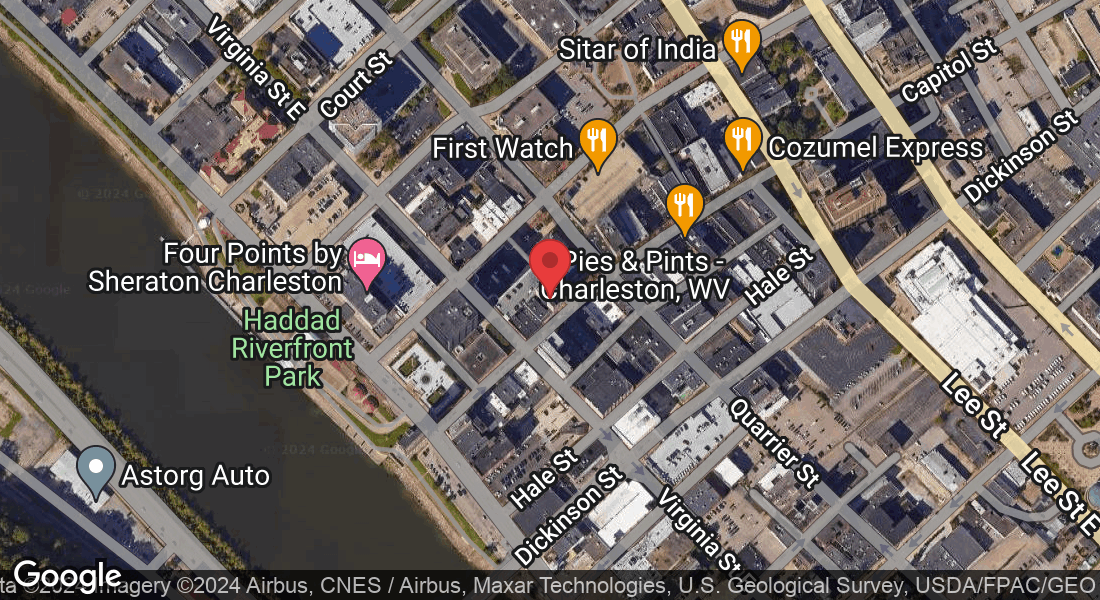
Address
109 Capitol Street Suite 700
Charleston, WV 25301
Assistance Hours
Mon – Fri 9:00am – 5:00pm
Saturday – Sunday CLOSED