Blogs
Resolve Contract Disputes: Top Lawyer in Charleston, WV
Contract Breach Lawyer Charleston WV: What to Do When the Deal Goes Sideways in Charleston, WV
Contract disputes can arise unexpectedly, leaving parties uncertain about the best course of action. Having a clear understanding of contract law and the local legal process in Charleston, WV, empowers you to respond effectively. This article outlines essential steps to take after a breach, best practices for documentation, when to seek legal counsel, available remedies, and the importance of local expertise in business litigation.
What Are the First Steps After a Contract Breach in Charleston, WV?
Acting promptly is crucial to protect your rights. Key initial steps include:
Identify the Breach: Clearly determine which contract terms have been violated.
Send a Notice of Breach: Formally notify the other party of the breach and specify the remedy you seek.
Provide an Opportunity to Cure: When appropriate, allow the other party a chance to remedy the breach.
These actions help preserve your legal remedies and establish a clear record for potential negotiation, mediation, or litigation.
Legal Options for Contract Breach in West Virginia
Understanding your legal remedies is essential to choosing the right approach. Common options include:
Monetary Damages
Compensatory damages cover direct and foreseeable losses resulting from the breach. Punitive damages are rare and depend on specific facts.
Specific Performance
In cases where monetary compensation is insufficient—such as certain real estate transactions—a court may order specific performance to enforce the contract terms. For more on real estate disputes, see our real estate law litigation services.
Rescission
Rescission cancels the contract and aims to restore the parties to their original positions when the contract’s purpose is frustrated.
Ray Winton and Kelley PLLC is a Charleston, WV-based law firm specializing in business litigation services and contract disputes, including mediation and breach claims.
How to Document a Contract Dispute Effectively
Maintaining well-organized records strengthens your case. Follow these steps:
Gather Relevant Documents: Collect all contracts, emails, invoices, and related correspondence.
Create a Timeline: Document dates and actions to present a clear, chronological sequence of events.
Preserve Evidence: Retain both digital and paper records, and avoid deleting any communications.
When Should You Contact a Business Contract Dispute Attorney in WV?
Engage legal counsel early when the stakes are significant or if resolution efforts stall. Contact an attorney if you encounter:
Breach of Contract: You believe a contract term has been violated.
Failed Negotiations: Informal attempts to resolve the dispute have been unsuccessful.
Financial Stakes: Potential losses or ongoing business disruptions are substantial.
Available Legal Remedies for Breach of Contract in West Virginia
West Virginia law offers several primary remedies for contract breaches:
Compensatory Damages: To recover actual losses caused by the breach.
Specific Performance: Court-ordered fulfillment of contractual obligations in limited circumstances.
Reformation: Modifying a contract to reflect the parties’ true agreement.
The appropriate remedy depends on your objectives and the specific facts of your case.
Understanding Breach of Contract Claims and Litigation Processes

Contract litigation generally follows these stages:
Filing a Complaint: Initiating the lawsuit in court.
Discovery Phase: Exchanging documents and witness testimony.
Trial Process: Presenting evidence if the case does not settle.
Each phase involves deadlines and procedural rules that influence strategy and costs. For detailed guidance, explore our general civil law litigation services.
How Mediation Can Resolve Commercial Contract Disputes in Charleston
Mediation is a voluntary, cost-effective alternative to litigation that often preserves business relationships. Key components include:
Selection of a Mediator: A neutral third party facilitates negotiations.
Joint Sessions: Parties discuss their positions and explore potential resolutions.
Agreement Drafting: If an agreement is reached, the mediator assists in formalizing the terms.
Learn more about our business mediation services and how they can help reduce litigation risks.
How to Choose the Right WV Contract Litigation Lawyer for Your Business Dispute
When selecting legal representation, consider these factors:
Experience with Similar Disputes: Prior success in handling comparable cases is critical.
Local Knowledge: Familiarity with West Virginia law and Charleston courts provides a strategic advantage.
Communication Style: Clear and timely communication ensures efficient case management.
Key Qualifications and Experience to Look for in a Contract Dispute Lawyer
Evaluate potential attorneys based on:
Business Litigation Expertise: A strong background in business law and litigation.
Proven Track Record: Documented case results and client references.
Transparent Fee Structure: Clear billing practices and upfront cost estimates.
Why Local Charleston WV Legal Expertise Matters in Contract Disputes
Local legal expertise can significantly impact case outcomes due to:
Knowledge of Local Laws: Understanding state-specific nuances affects remedies and strategy.
Familiarity with Local Courts: Procedural practices vary by venue and influence case handling.
Established Relationships: Local counsel often have insight into judges’ expectations and courtroom dynamics.
Business owners in Charleston, WV, facing contract disputes benefit from the guidance of a contract breach lawyer well-versed in the local legal landscape.
Common Challenges in Business Contract Disputes and How to Overcome Them
Typical challenges include:
Financial Exposure: Large potential losses may pressure parties toward quick settlements.
Operational Disruption: Disputes can interrupt normal business activities.
Reputational Risk: Prolonged or public disputes may damage client relationships.
Mitigate these risks through proactive planning, thorough documentation, and experienced legal counsel.
For many businesses, mediation offers a practical solution to resolve commercial contract disputes efficiently.
When a contract breach occurs, understanding your legal position is essential. Consulting with a qualified attorney at Ray Winton and Kelley PLLC can clarify your options and guide your next steps.
Resolving contract disputes requires specialized expertise. Learn more about our firm’s approach to dispute resolution and how we can assist your business.
Protect Your Business Interests Today
If you are facing a contract dispute or breach, don’t wait to get professional help. Contact a business litigation attorney in West Virginia at Ray Winton and Kelley PLLC to review your case, explore your options, and safeguard your business.
Additional Considerations in Contract Breach Cases
Beyond immediate legal remedies, it is important to understand the broader impact of a contract breach. Such breaches can affect business relationships, creditworthiness, and future negotiations. Consider these factors:
Impact on Business Relationships: Breaches may strain or sever partnerships. Alternative dispute resolution methods like mediation or arbitration can help preserve valuable connections.
Insurance Coverage: Some contracts include insurance clauses that may cover losses from breaches; reviewing these provisions can offer additional recovery options.
Mitigation of Damages: The non-breaching party must take reasonable steps to reduce losses, which can influence recoverable damages.
Contract Clauses: Pay close attention to force majeure, indemnity, limitation of liability, and dispute resolution provisions, as they can significantly affect outcomes.
Statutory and Regulatory Considerations: Certain West Virginia industries may have specific regulations impacting contract enforcement and remedies.
Awareness of these factors helps parties navigate contract disputes more effectively and avoid unintended consequences.
Strategies for Preventing Contract Breaches
Prevention is often the best strategy for managing contract risks. Businesses in Charleston, WV, can adopt these measures to reduce the likelihood of breaches:
Clear Contract Drafting: Use precise language and clearly define key terms to avoid ambiguity.
Regular Contract Reviews: Periodically assess contracts to ensure they remain relevant and enforceable.
Effective Communication: Maintain open communication with contract counterparts to address issues early.
Dispute Resolution Clauses: Include mediation or arbitration clauses to provide structured paths for resolving disagreements.
Training and Compliance: Educate employees on contract obligations and compliance requirements.
Implementing these strategies can reduce disputes and foster stronger business relationships.
Frequently Asked Questions
What should I do if I receive a notice of breach from another party?
Carefully review the notice against your contract, gather supporting evidence, and consider responding in writing to state your position. It is advisable to seek legal advice before taking any action that could affect your rights.
How long do I have to file a breach of contract claim in West Virginia?
The statute of limitations is generally five years, but exceptions may apply. Consult an attorney promptly to ensure your rights are preserved.
Can I negotiate a settlement after filing a lawsuit for breach of contract?
Yes. Many cases are resolved through settlement or mediation even after litigation begins. Legal counsel can assist in negotiating terms that protect your interests.
What role does a mediator play in contract disputes?
A mediator is a neutral facilitator who helps parties reach a voluntary resolution. The mediator does not impose decisions but guides constructive dialogue.
What are the potential costs associated with pursuing a breach of contract claim?
Costs vary depending on case complexity, attorney fees, court expenses, and expert involvement. Discuss anticipated costs and alternatives with your lawyer early in the process.
How can I prevent contract disputes in the future?
Draft clear, comprehensive agreements, review contracts regularly, maintain open communication with counterparts, and include dispute resolution clauses where appropriate.

If you're in need of legal help, let's talk.
Our lawyers have many years of experience, and are excited to help you with your case. Whatever your legal needs may be, we can provide the experienced legal representation you require. Let's talk about your case and see how we can help you achieve the best possible outcome. Even in circumstances in which we are unable to represent a person, we can often help find another attorney that can. So make us your first contact.
Serving Charleston and the Kanawha Valley for 125 years.




Get In Touch
Phone Number:
Address
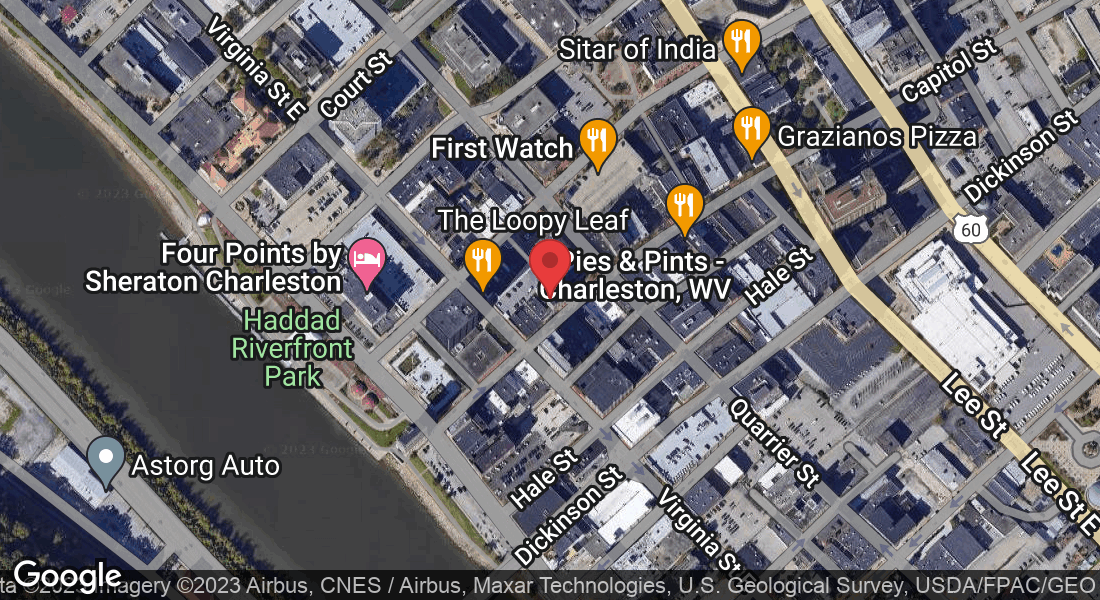
109 Capitol Street Suite 700
Charleston, WV 25301
Assistance Hours
Mon – Fri 9:00am – 5:00pm
Saturday – Sunday CLOSED