Blogs

Business Formation & Counsel: When to Call a Corporate Lawyer in West Virginia
West Virginia Business Legal Guidance
Starting a business in West Virginia is an exciting step, but the legal side can be complicated. Knowing the rules that govern formation, compliance, and risk can protect your investment and keep your operation on solid ground. This guide walks through the essentials of forming a business here, common legal pitfalls, how to choose the right entity, and when it makes sense to consult a corporate lawyer. We also summarize how Ray, Winton & Kelley — a Charleston firm experienced in business law — supports local entrepreneurs.
Business law touches licensing, contracts, tax treatment, governance, and more. Many owners underestimate these areas until a dispute or compliance issue arises. Bringing a corporate lawyer into the process early helps you spot risks, document agreements correctly, and meet state and federal requirements so your growth isn’t derailed by avoidable legal problems.
Why Do West Virginia Businesses Need a Corporate Lawyer?
Corporate lawyers help founders and managers translate business goals into legally defensible structures and agreements. Their role includes ensuring regulatory compliance, protecting owners’ interests, and advising on legal risk so you can focus on running the business.
What Are the Key Legal Challenges in Business Formation?
Forming a business raises several legal questions: which licenses you need, how to structure ownership, how to draft enforceable contracts, and how to limit personal exposure. Compliance spans local ordinances, state statutes, and federal rules — and those layers can be hard to track without counsel. A corporate lawyer identifies issues early and recommends practical steps to reduce future liability.
How Can a Corporate Lawyer Protect Your Business Interests?
A corporate lawyer protects your business by drafting clear contracts, advising on regulatory obligations, and representing you in disputes. They ensure agreements reflect your intentions, help you avoid common contract traps, and provide a defense strategy if conflicts arise — all to preserve your company’s value and reputation.
How to Choose the Right Business Entity in West Virginia?
Your choice of entity affects liability, taxes, and how you run the company. Picking the right form up front saves time and money — and a lawyer can translate legal options into a recommendation that aligns with your goals.
What Are the Differences Between LLCs, Corporations, and Partnerships?
Business EntityLiabilityTaxationManagement StructureLLCOwners are generally shielded from personal liabilityPass-through to members (flexible tax treatment)Flexible management arrangementsCorporationOwners are typically protected from personal liabilityPossible double taxation unless the S‑Corp election appliesFormal structure with directors and officersPartnershipGeneral partners have personal liability (limited partners have protection)Pass-through taxationLess formal; governed by a partnership agreement
Each structure has trade-offs. LLCs combine liability protection and operational flexibility. Corporations suit businesses planning outside investment or a formal governance model. Partnerships are simple to form but require clear agreements to manage risk among owners.
When Should You Consider a Sole Proprietorship or a Partnership?
Sole proprietorships and informal partnerships are easy and inexpensive to start, which can work for very small or part‑time ventures. The downside is personal liability and limited growth options — so owners should weigh simplicity against risk and consider forming an LLC or corporation as the business expands.
What Corporate Legal Services Does RWK LAW Offer for West Virginia Businesses?
Ray, Winton & Kelley offers practical, locally informed legal services designed for West Virginia businesses. Their team provides hands‑on support from formation through daily operations and dispute resolution, helping clients stay compliant and protect their interests.
How Does RWK LAW Assist with Business Incorporation and Startup Support?
RWK LAW helps with entity selection, prepares incorporation or formation documents, files required state paperwork, and advises on initial compliance tasks. They simplify the startup checklist so you can launch with a clear legal foundation.
What Contract Drafting and Review Services Are Available?
The firm drafts and reviews a wide range of contracts — client agreements, vendor contracts, employment documents, and shareholder or operating agreements — to reduce ambiguity and prevent disputes. Their goal is to make sure contracts reflect your business priorities and reduce downstream risk.
How Does RWK LAW Support Corporate Governance and Compliance?
RWK LAW advises on governance best practices, prepares bylaws and operating agreements, and helps establish policies that meet state and federal requirements. This guidance keeps businesses organized, accountable, and positioned to meet regulatory obligations.
Research continues to show the real governance and regulatory pressures small businesses face when managing compliance and director duties.
Small Business Regulation & Governance Challenges
This study reports survey results from small business owners, managers, and leaders of industry associations on corporate regulation and governance. It examines small businesses’ governance practices, directors’ understanding of duties, approaches to risk and accountability, regulatory obstacles, and factors that helped or hindered small business performance.
When to Seek Help for Business Litigation and Dispute Resolution?
Disputes over contracts, employment, or regulatory compliance can escalate quickly. RWK LAW advises when to negotiate, mediate, or litigate and represents clients throughout the dispute process to protect their rights and business continuity. Early legal input often reduces cost and disruption. Their expertise also extends to general civil litigation and specialized areas like lawyer disciplinary proceedings.
When Should You Call a Corporate Lawyer in West Virginia?
Knowing when to reach out to counsel makes a real difference. Prompt legal advice can prevent expensive mistakes and keep growth on track.
What Are Common Triggers for Legal Counsel in Business Formation?
Key moments to consult a lawyer include starting a business, choosing an entity, drafting or signing contracts, hiring employees, entering leases, or facing regulatory questions. Getting advice before these events reduces uncertainty and legal exposure.
How Can a Lawyer Help with Business Growth and Succession Planning?

As your business grows, legal needs change. A corporate lawyer helps structure expansion, negotiate financing, protect intellectual property, and plan leadership transitions. Thoughtful succession planning preserves value and smooths ownership changes.
What Are the Latest Business Law Trends and Statistics in West Virginia?
Staying current on trends and data helps entrepreneurs anticipate new compliance obligations and adjust legal plans as the business climate changes.
How Do New Business Registrations Impact Legal Needs?
Rising business registrations increase demand for formation services, contracts, and compliance guidance. New businesses commonly need help with entity setup, licensing, and initial contracts, making legal support an early priority.
What Is the Corporate Transparency Act and Its Effect on WV Businesses?
The Corporate Transparency Act requires certain entities to report beneficial owners to federal authorities. It increases reporting and compliance responsibilities for affected businesses, and legal counsel can clarify who must report and how to meet the requirements.
Why Choose RWK LAW as Your Corporate Legal Counsel in West Virginia?
The right legal partner combines experience with practical advice. RWK LAW brings local knowledge, decades of practice, and a client-centered approach to help businesses operate confidently in West Virginia.
What Experience and Local Knowledge Does RWK LAW Bring?
Founded in 1897, RWK LAW has served West Virginia businesses for generations. Their familiarity with state law, courts, and local business conditions lets them provide pragmatic, reliable legal guidance.
Who Are the Expert Corporate Lawyers at RWK LAW?
The RWK team includes attorneys with varied corporate, transactional, and litigation experience. Their combined expertise ensures clients receive tailored counsel for routine matters and complex challenges alike, covering a broad spectrum of practice areas including real estate, family law, and estate planning.
Frequently Asked Questions
What Should I Consider Before Starting a Business in West Virginia?
Research your market and competitors, choose the legal structure that fits your goals, and prepare a business plan with realistic financials. Consider licensing, tax obligations, and whether you need contracts or lease review. Consulting a corporate lawyer early will help you avoid common legal pitfalls.
How Can I Ensure Compliance with State Regulations?
Keep up with licensing and registration rules for your industry, maintain accurate records, and follow employment and tax laws. Regular legal reviews and a tailored compliance checklist from counsel can catch issues before they become problems.
What Are the Benefits of Hiring a Corporate Lawyer for Small Businesses?
A corporate lawyer helps manage risk, draft and review contracts, advise on tax and entity choices, and represent you in disputes. That expertise protects your business and can save time and expense over the long term.
What Are the Key Steps in the Business Incorporation Process?
Typical steps include selecting a business name, filing formation documents with the state, creating governing documents (bylaws or operating agreements), obtaining necessary licenses, and setting up bank accounts and recordkeeping. An attorney can guide you through each step to ensure compliance.
How Can I Protect My Business from Legal Disputes?
Use clear, written contracts; maintain up‑to‑date policies; and document key decisions. Periodic legal audits and working with counsel to assess risks will reduce the likelihood and impact of disputes.
What Should I Do If I Encounter a Legal Dispute?
Gather relevant documents, pause potentially risky actions, and consult a corporate lawyer promptly. Early advice can help resolve disputes through negotiation or mediation and prepare for litigation if necessary. For immediate assistance, you can also contact RWK LAW directly.

If you're in need of legal help, let's talk.
Our lawyers have many years of experience, and are excited to help you with your case. Whatever your legal needs may be, we can provide the experienced legal representation you require. Let's talk about your case and see how we can help you achieve the best possible outcome. Even in circumstances in which we are unable to represent a person, we can often help find another attorney that can. So make us your first contact.
Serving Charleston and the Kanawha Valley for 125 years.




Get In Touch
Phone Number:
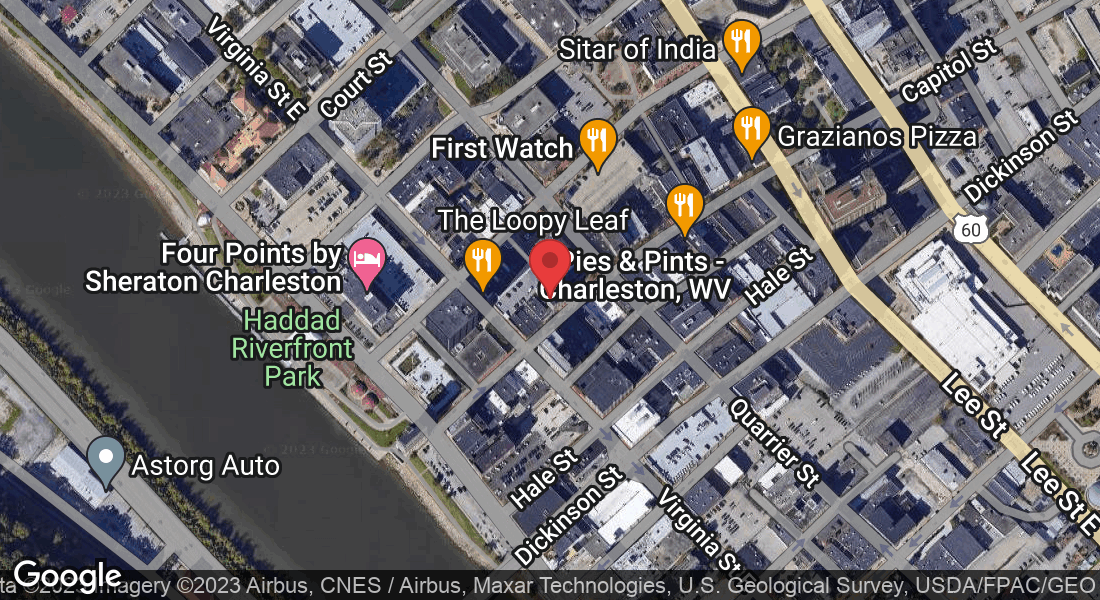
Address
109 Capitol Street Suite 700
Charleston, WV 25301
Assistance Hours
Mon – Fri 9:00am – 5:00pm
Saturday – Sunday CLOSED