Blogs
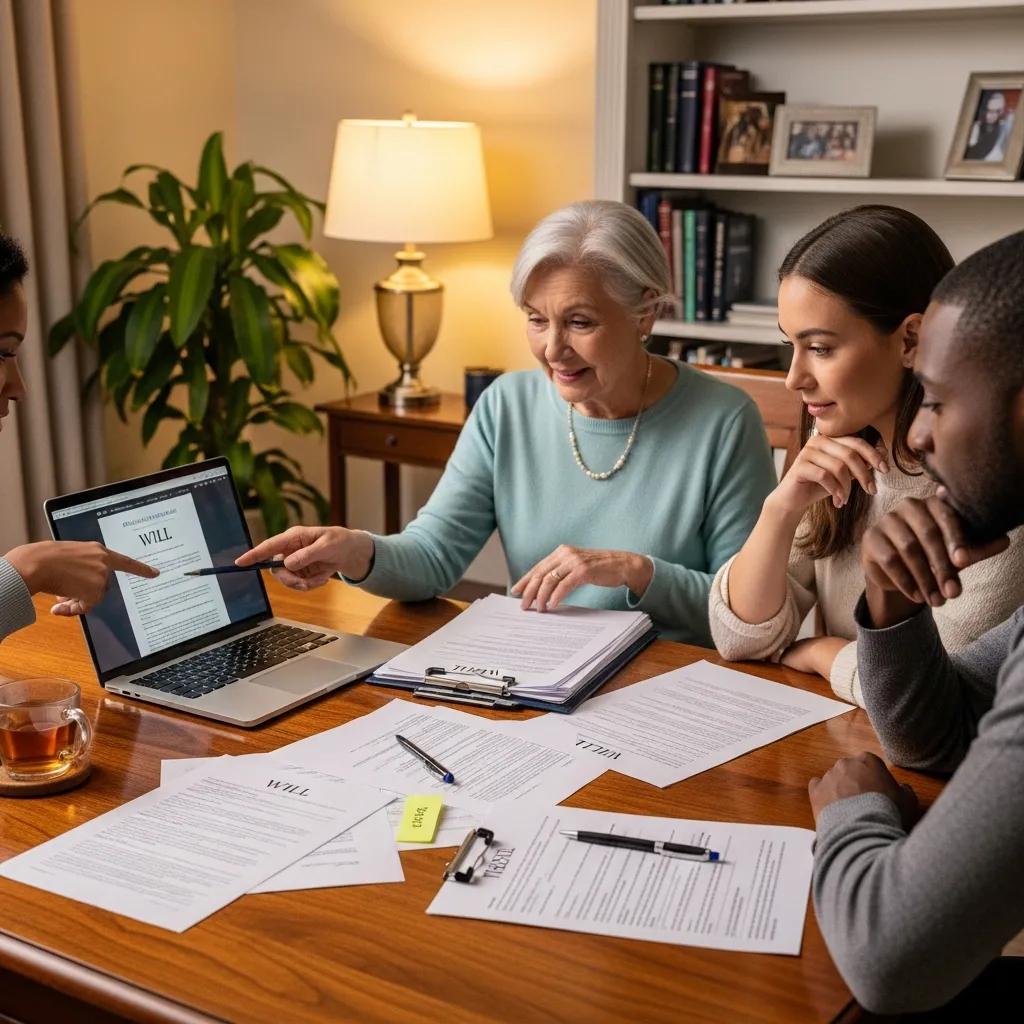
Estate Planning in Charleston, WV: Wills, Trusts, and Peace of Mind
Estate planning in Charleston, WV — Wills, trusts, and clear guidance to protect your family
Estate planning helps make sure your wishes are carried out, and your loved ones are cared for when you’re no longer able to speak for yourself. In Charleston, WV, knowing how wills, trusts, and related tools fit together protects your legacy and reduces stress for those you leave behind. This guide walks through the basics — why a will matters, the common trust options, and what to expect in probate — so you can take practical steps to secure your family’s future.
Too often, people delay planning and leave their families to handle avoidable confusion. This guide answers common questions and points to sensible solutions so you can make confident decisions. We’ll cover the essentials of wills and trusts and highlight the comprehensive estate planning services available to support estate planning in Charleston, WV.
What is estate planning, and why does it matter in Charleston, WV?
Estate planning is the process of documenting how your assets, health care choices, and guardianship wishes should be handled now and after you die. The plan can include legal documents that name decision-makers, direct the distribution of property, and spell out medical preferences. For families in Charleston, a clear estate plan ensures your intentions are followed and minimizes anxiety for those you care about.
What are the core components of estate planning in West Virginia?
The foundation of an effective estate plan in West Virginia typically includes:
Wills: Written instructions for how your property should be distributed after your death.
Trusts: Legal structures that hold assets for beneficiaries and can help avoid probate.
Powers of Attorney: Documents that authorize someone to make financial or legal decisions if you become incapacitated.
Advance Directives: Statements of your medical wishes and directions for health-care decision-makers.
Used together, these documents create a plan tailored to your situation and family needs.
How does estate planning give families peace of mind?
A clear estate plan reduces uncertainty and the chance of family disagreement. When your wishes are spelled out, loved ones understand what you intended, which eases decision-making and emotional strain during difficult times. A well-crafted plan also helps protect your family’s financial security and makes transitions smoother.
RWK LAW, a long-established Charleston firm, provides practical estate planning services to help clients build plans that reflect their values and goals. Learn more about our firm.
How do wills and last testaments protect your legacy in Charleston, WV?

A will (or last testament) lets you name who receives your assets and who manages your estate after you die. A carefully written will reduces confusion and helps prevent disputes among heirs.
What does a will do, and what is the executor’s role under West Virginia law?
In West Virginia, a will records your distribution wishes and names the person who will carry them out — the executor. The executor’s duties commonly include:
Gathering assets: Identifying and securing property and accounts.
Paying debts: Settling valid claims, taxes, and expenses of administration.
Distributing assets: Transferring remaining property to beneficiaries as the will directs.
Picking a dependable, organized executor is important because they handle these responsibilities during a challenging time for your family.
What happens if you die without a will in Charleston, WV?
Without a will (intestacy), state law determines who inherits your property. That default distribution may not match your wishes and can lead to family disputes or delays. Creating a will ensures your intentions are followed and helps simplify the transfer of your assets.
To avoid intestacy and its consequences, consider documenting your wishes in a valid will.
What types of trusts are available, and how can they help in West Virginia?
Trusts offer flexibility and can address goals like avoiding probate, protecting assets from creditors, and managing tax exposure. West Virginia residents commonly use several trust types depending on their priorities.
How do revocable and irrevocable trusts differ for asset protection?
Revocable trusts let you retain control — you can change or revoke them while you’re alive. Because you keep control, assets in revocable trusts are generally considered part of your estate for creditor and tax purposes. Irrevocable trusts transfer ownership to the trust and typically offer stronger protection from creditors and potential estate-tax reduction, though you give up direct control.
Trust TypeControlAsset ProtectionTax ImplicationsRevocableYesLimitedTaxable as personal assetsIrrevocableNoStrongMay reduce estate taxes
This comparison highlights key differences so you can weigh which trust type aligns with your estate goals.
Why choose a living trust to avoid probate in Charleston, WV?
Living trusts can move assets to beneficiaries without the probate process, saving time and expense and keeping transfers private. They also offer flexibility for changes during your life, making them a practical choice for many families wanting a smoother transition.
How does probate and estate administration work in Kanawha County, WV?
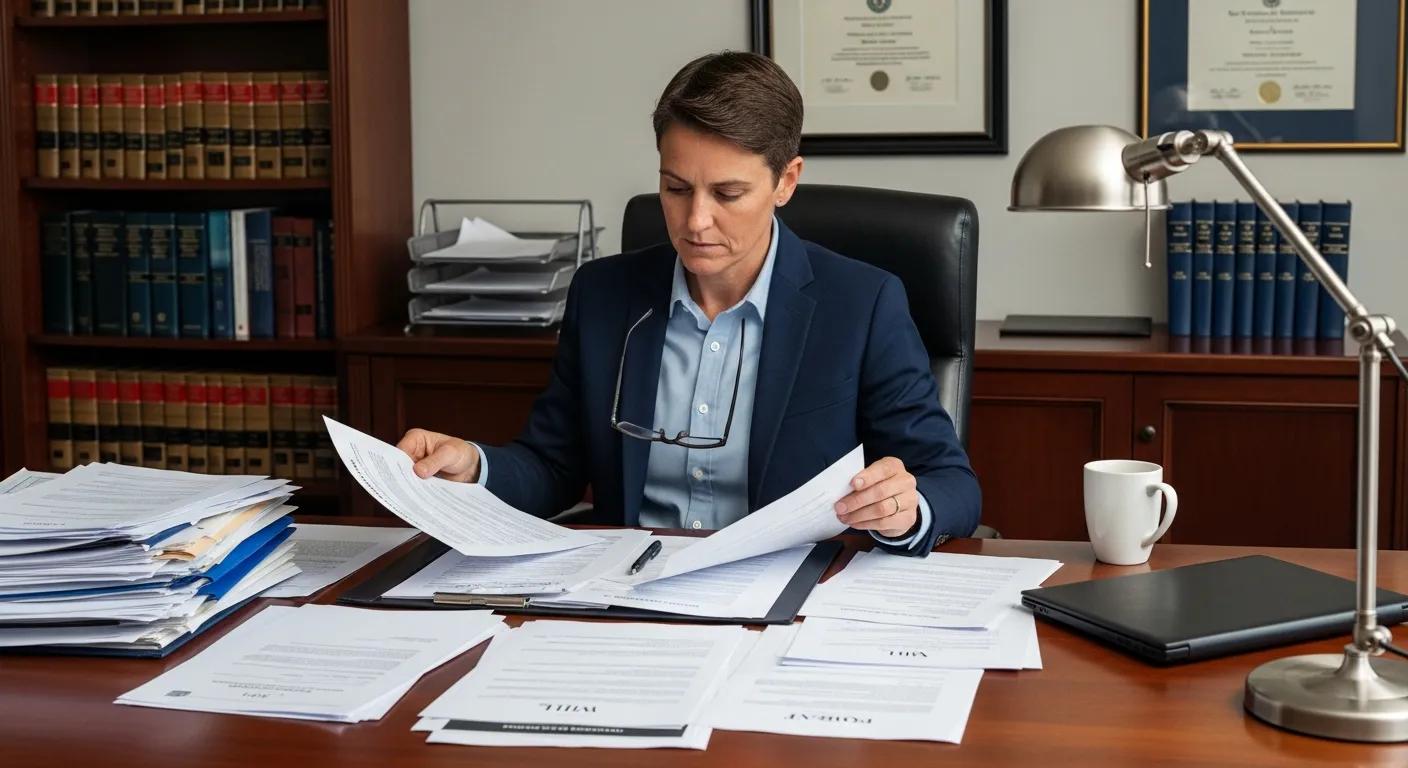
Probate is the court-supervised process that validates a will, resolves debts, and distributes assets. In Kanawha County, the steps usually include verifying the will, appointing an executor or administrator, settling claims, and transferring property to beneficiaries.
What does the probate process involve, and what is the estate administrator’s role?
The probate process commonly follows these steps:
Filing the will: The executor submits the will to the probate court.
Validating the will: The court confirms the will’s authenticity.
Appointing an executor: The court formally names the person to manage the estate.
Settling debts: The executor pays legitimate claims and taxes.
Distributing assets: The Remaining property is distributed as directed by the will.
The estate administrator ensures these tasks are completed properly and in compliance with state law.
How can probate be avoided or simplified in West Virginia?
Common strategies to reduce probate involvement include:
Establishing a living trust: Transfers can occur outside of probate.
Joint ownership: Property held with rights of survivorship passes directly to the surviving owner.
Gifting assets: Making lifetime gifts lowers the estate size subject to probate.
POD and TOD designations: Payable-on-death and transfer-on-death designations let certain accounts and titles pass directly to named beneficiaries.
Using these tools carefully can make estate administration faster and less costly for your family.
What elder-law services help protect seniors and their assets in Charleston, WV?
Elder law addresses legal issues seniors face — from long-term care planning and Medicaid eligibility to asset protection and end-of-life decisions. Local elder-law guidance helps seniors and families plan for care needs while safeguarding resources for heirs.
How do Medicaid planning and long-term care affect estate planning?
Medicaid planning arranges finances to qualify for benefits when long-term care is needed while preserving as much wealth as legally possible. Because long-term care costs can be substantial, careful planning with an experienced attorney can balance care needs and estate goals.
Working with counsel experienced in elder law can create a strategy that protects your care options and your family’s financial interests.
What are guardianship and power-of-attorney options in West Virginia?
Guardianship and powers of attorney let you name people to act on your behalf if you cannot. In West Virginia, common POA options include:
Durable Power of Attorney: Remains effective if you become incapacitated.
Springing Power of Attorney: Takes effect only after a specified event, typically your incapacity.
Putting these documents in place gives you control over who handles your affairs if you cannot do so yourself.
How can estate litigation and mediation resolve disputes in West Virginia?
Estate disputes sometimes arise over will validity, fiduciary conduct, or asset distribution. Mediation offers a less adversarial, often quicker, and less costly path to resolve conflicts while preserving family relationships.
What commonly causes will contests and fiduciary disputes?
Typical issues that lead to contests or fiduciary disputes include:
Undue influence: Allegations that the testator was pressured to change their will.
Lack of capacity: Claims the testator lacked the mental ability to create a valid will.
Disagreements over distribution: Conflicts about who should inherit which assets.
Anticipating these risks when you plan can reduce the likelihood of costly litigation later.
How does RWK LAW use mediation to protect family relationships?
RWK LAW offers mediation services to help families resolve estate disputes constructively. Our attorneys guide discussions, encourage clear communication, and work toward solutions that honor the deceased’s wishes while limiting emotional and financial strain.
Mediation can preserve relationships and achieve fair outcomes without the expense and stress of prolonged court battles.
Beyond estate planning, RWK LAW offers a full range of legal services to the Charleston community. Our practice areas include family law, real estate law, corporate law, employment law, general civil litigation, and representation in lawyer disciplinary proceedings. We are committed to providing comprehensive legal support for individuals and businesses.
Frequently Asked Questions
What should I consider when choosing an executor for my will?
Choose someone you trust who is organized, comfortable with financial matters, and able to handle family dynamics fairly. Talk with that person in advance to confirm they’re willing to serve, and name an alternate executor in case your first choice is unable to act.
How often should I review my estate plan?
Review your plan every three to five years or after major life changes — marriage, divorce, births, deaths, or significant financial shifts. Changes in laws or your circumstances may also mean it’s time for an update.
Can I change my will after it has been created?
Yes. You can amend a will with a codicil or replace it with a new will that expressly revokes the old one. Follow state formalities for changes to ensure they are legally effective; consulting an estate attorney helps avoid mistakes.
What are the tax implications of estate planning in West Virginia?
West Virginia does not currently impose a state estate tax, but the federal estate tax can apply depending on your estate’s size. Strategies like trusts and lifetime gifting can affect tax exposure. Talk with a tax professional or estate attorney to structure a plan that considers tax consequences.
What is the difference between a will and a trust?
A will sets out how you want property distributed and typically goes through probate. A trust holds assets for beneficiaries and can often transfer property outside probate, offering privacy and potentially faster distribution, along with additional planning benefits.
How can I ensure my healthcare wishes are honored?
Create an advance directive (living will) that records your treatment preferences and appoint a health-care power of attorney to make decisions if you cannot. Discuss your wishes with the person you designate and with your health-care providers so they understand your preferences.
What resources are available for estate planning in Charleston, WV?
Charleston residents can find help from local estate-planning attorneys, financial advisors, and community seminars. Many firms offer consultations to review your needs. Online resources can be useful for education, but working with professionals ensures a plan tailored to your situation and state law. To discuss your specific needs, please don't hesitate to contact us.

If you're in need of legal help, let's talk.
Our lawyers have many years of experience, and are excited to help you with your case. Whatever your legal needs may be, we can provide the experienced legal representation you require. Let's talk about your case and see how we can help you achieve the best possible outcome. Even in circumstances in which we are unable to represent a person, we can often help find another attorney that can. So make us your first contact.
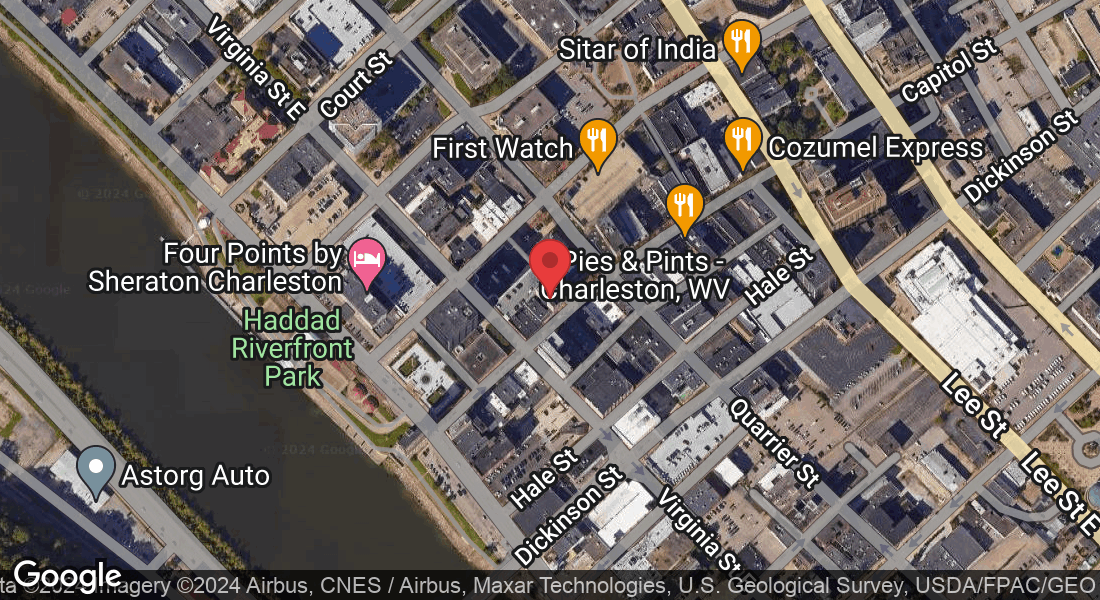
Serving Charleston and the Kanawha Valley for 125 years.




Get In Touch
Phone Number:
Address
109 Capitol Street Suite 700
Charleston, WV 25301
Assistance Hours
Mon – Fri 9:00am – 5:00pm
Saturday – Sunday CLOSED