Blogs

Essential Estate Planning Tips for West Virginia Families
Estate Planning in West Virginia: What Every Family Needs to Know — Beyond Wealth
Estate planning is the practical work that makes sure your property and wishes are respected after you’re gone. It’s not just for people with large estates — every West Virginia family benefits from clear, legally sound plans. This guide explains why estate planning matters, the documents you’ll want, and realistic ways middle-class families can get affordable help. The goal: protect your family, preserve your wishes, and reduce stress for those you leave behind.
Facing legal steps and emotional choices at the same time is hard. This article breaks estate planning into straightforward parts so you can see what matters most. We cover the core benefits, the building blocks like wills and trusts, powers of attorney, how probate works in West Virginia, and practical ways to find cost-conscious legal assistance in Charleston.
Why Is Estate Planning Important for Every West Virginia Family?

Estate planning gives your family a clear path forward when you can’t make decisions. It’s about naming who gets what, who will manage affairs, and who makes medical and financial decisions if you’re unable to. Without a plan, families can face costly disputes, unexpected taxes, and needless stress during an already difficult time.
What Are the Key Benefits of Estate Planning for Middle-Class Families?
Financial security: A clear plan reduces confusion and the chance of family disputes, so assets go where you intended.
Protection of assets: Proper planning can limit exposure to creditors and legal challenges, helping preserve what you leave behind.
Avoiding probate: The right documents can keep property out of probate, speeding transfers and lowering costs for your heirs.
How Does Estate Planning Provide Peace of Mind and Asset Protection?
Putting an estate plan in place removes uncertainty for you and your family. Knowing who will act and how assets will be handled eases emotional burdens. At the same time, planning tools protect resources so they last for the next generation. In short, a thoughtful plan reduces conflict and keeps your family’s priorities front and center.
What Are the Essential Components of Estate Planning in West Virginia?
Building a complete estate plan means combining a few key documents so each covers a specific need. The most important pieces are wills, trusts, and powers of attorney — each plays a different role in protecting you and your family.
How Do Wills Work and What Are West Virginia’s Legal Requirements?
A will states how your property should be divided and names who oversees your estate. In West Virginia, a valid will must be written, signed by the person making it, and witnessed by at least two people who are not beneficiaries. Common pitfalls include not updating a will after major life events like marriage, divorce, or the birth of a child.
What Types of Trusts Are Available and When Should You Use Them?
Trusts are flexible tools for managing and transferring assets. Typical options include:
Revocable trusts: You control assets during your lifetime and can change the trust as circumstances change.
Irrevocable trusts: These usually can’t be changed once set up, and they offer stronger protection from creditors and certain tax advantages.
Special needs trusts: Designed to provide for someone with disabilities while preserving eligibility for government benefits.
Trusts can help minimize taxes, avoid probate, and shield assets from claims — useful strategies depending on your goals.
How Do Powers of Attorney Safeguard Your Financial and Medical Decisions in WV?
Powers of attorney (POA) let you name trusted people to act for you if you can’t. They ensure financial bills are paid and medical wishes are followed, so decisions happen according to your instructions, not guesswork.
What Is the Difference Between Medical and Financial Powers of Attorney?
Medical POAs let someone make healthcare choices on your behalf. Financial POAs let someone handle bank accounts, bills, and other money matters. Both are important tools; they serve different roles and should reflect your values and priorities.
When and How Should You Establish or Revoke a Power of Attorney?
Create a POA while you are competent and choose someone you trust to act in your best interest. If your circumstances change, revoke the old document in writing, notify institutions that rely on it, and execute a new POA that reflects your current wishes.
What Is the Probate Process in West Virginia and How Can You Navigate It?
Probate is the court-supervised process for closing out a person’s estate. Knowing the steps helps families move through probate more efficiently and with fewer surprises.
What Are the Steps and Costs Involved in WV Probate?
Filing the will: The will is submitted to the local probate court.
Appointing an executor: The court recognizes the person who will manage the estate.
Inventorying assets: The executor lists the deceased’s property and debts.
Settling debts: Creditors are paid before beneficiaries receive distributions.
Probate costs vary and may include court fees, attorney fees, and compensation for the executor — expenses that can add up quickly without planning.
How Can Families Avoid or Simplify Probate Proceedings?
Establishing trusts: Assets in trusts usually pass outside probate.
Joint ownership: Property held with rights of survivorship transfers directly to the surviving owner.
Beneficiary designations: Naming beneficiaries on accounts and policies lets those assets bypass probate.
These measures shorten timelines, lower costs, and reduce stress for your loved ones.
How Can Middle-Class Families Access Affordable Estate Planning Services in Charleston, WV?
Charleston families on modest budgets can still get solid estate plans by working with experienced local attorneys who offer practical, cost-sensitive options. Reach out to trusted firms like RWK LAW for guidance tailored to your situation — from simple wills to blended trust-and-POA packages designed to fit middle-class finances. For a comprehensive overview of all our legal services, please visit our practice areas page. To learn more about our firm, visit our About Us page, or contact us directly for a consultation. Beyond estate planning, RWK LAW also offers expertise in areas such as employment law, lawyer disciplinary proceedings, general civil litigation, and corporate law litigation.
What Are Common Misconceptions About Estate Planning Costs?
People often assume estate planning is only for the wealthy or unaffordable. In reality, many basic plans are within reach. Understanding options and fees helps you choose the right level of protection without overspending.
What Practical Options Does RWK LAW Offer for Budget-Friendly Planning?
RWK LAW provides cost-conscious approaches like mediation and arbitration where appropriate. These paths often reduce fees and resolve disputes faster than traditional litigation. Mediation encourages cooperative solutions; arbitration offers a quicker, binding decision. Both can lower overall legal costs and keep matters out of prolonged court battles.
What Special Considerations Should Retirees in West Virginia Know About Estate Planning?
Retirees have specific concerns around healthcare, long-term care costs, and preserving assets for legacy purposes. Planning with those priorities in mind prevents unnecessary loss of savings and protects access to needed benefits.
How Does Long-Term Care and Medicaid Planning Affect Estate Decisions?
Long-term care can quickly consume savings. Medicaid planning helps retirees understand eligibility rules, look-back periods, and transfer limits so they can protect assets while qualifying for benefits when necessary. Early planning is the key to preserving resources and securing care.
What Are Guardianship and Conservatorship and Why Do They Matter?
Guardianship and conservatorship are court processes that assign someone to care for a person or manage property when they can’t do so themselves. Planning ahead with powers of attorney and clear directives can avoid the need for court control and ensure a trusted person acts on your behalf.
ComponentDescriptionImportanceWillsWritten instructions for distributing your propertyEnsures your wishes are followedTrustsLegal arrangements that hold and manage assetsHelps protect assets and avoid probatePowers of AttorneyDesignates who makes decisions for youMakes sure medical and financial choices reflect your wishes
This quick reference shows the core documents every family should consider when building a plan to protect loved ones and preserve assets.
Frequently Asked Questions
What Should I Consider When Choosing an Estate Planning Attorney in West Virginia?
Look for experience with estate law, local courtroom knowledge, and clear client reviews. Meet with potential attorneys to see how they explain options and fees. A good lawyer listens to your goals, offers practical solutions, and guides you through the emotional as well as legal decisions.
How Often Should I Update My Estate Plan?
Review your plan every three to five years and after major life changes — marriage, divorce, births, deaths, or significant financial shifts. Regular updates keep documents aligned with your current wishes and circumstances.
What Happens If I Die Without an Estate Plan in West Virginia?
Without a plan, state intestacy rules decide how your property is distributed, which may not match your wishes. Your family may also face longer probate and potential disputes. Creating basic documents prevents those outcomes and honors your intentions.
Can I Create My Own Will Without an Attorney?
You can prepare a will yourself in West Virginia if it meets state requirements: written, signed by you, and witnessed by two non-beneficiaries. However, DIY wills can miss important language or fail to address complex situations. Consulting an attorney provides greater certainty and can prevent future problems.
What Are the Tax Implications of Estate Planning in West Virginia?
West Virginia currently has no state inheritance tax, but federal estate taxes may apply for larger estates. Estate planning strategies — gifting, trusts, and other techniques — can reduce tax exposure. Talk with a tax advisor or estate attorney to match strategies to your circumstances.
How Can I Ensure My Digital Assets Are Included in My Estate Plan?
Make a secure list of online accounts and instructions for how you want them handled. Name a trusted digital executor and include access information in a safe place. Addressing digital assets in writing prevents confusion and ensures your online affairs are handled as you intend.

If you're in need of legal help, let's talk.
Our lawyers have many years of experience, and are excited to help you with your case. Whatever your legal needs may be, we can provide the experienced legal representation you require. Let's talk about your case and see how we can help you achieve the best possible outcome. Even in circumstances in which we are unable to represent a person, we can often help find another attorney that can. So make us your first contact.
Serving Charleston and the Kanawha Valley for 125 years.





Get In Touch
Phone Number:
Address
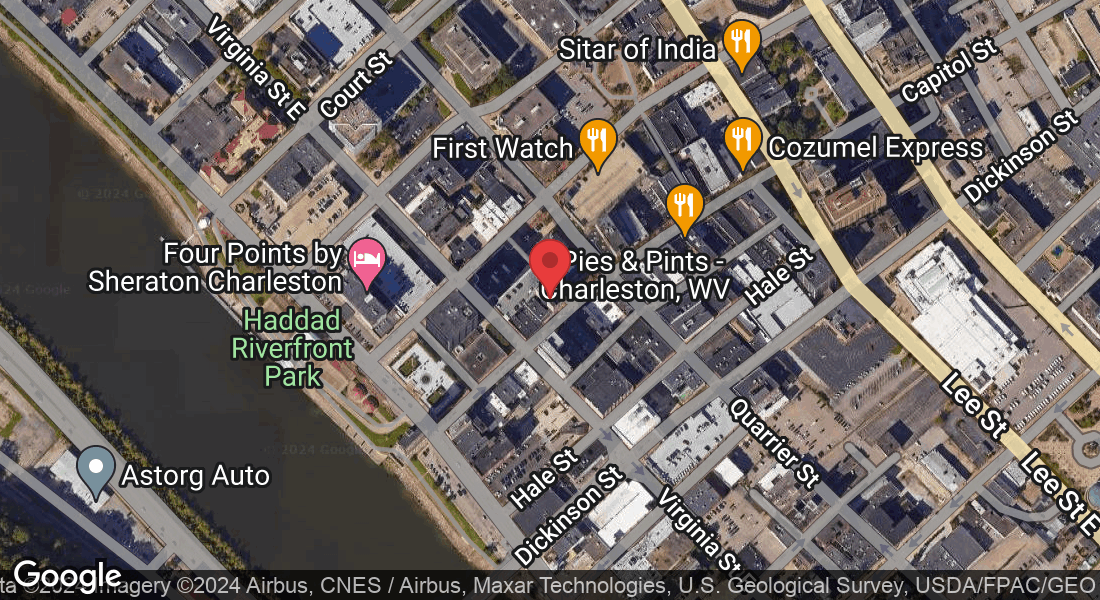
109 Capitol Street Suite 700
Charleston, WV 25301
Assistance Hours
Mon – Fri 9:00am – 5:00pm
Saturday – Sunday CLOSED