Blogs
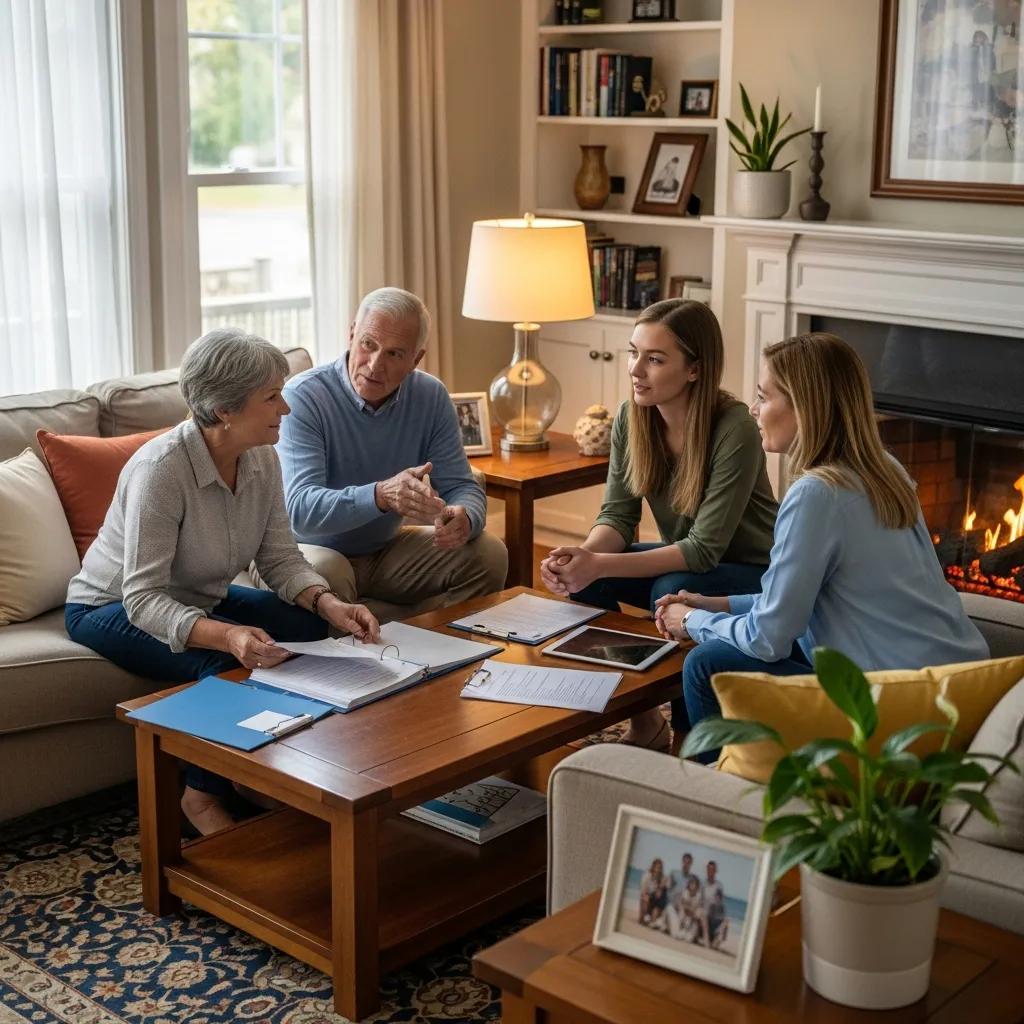
Navigate West Virginia Probate with a Charleston WV Lawyer
Probate in West Virginia: What to Expect After a Loved One Passes Away
Probate is the court process that settles a person’s affairs after they die. This guide explains probate in West Virginia — when it’s required, how it works, which assets are affected, and what it typically costs. The process can feel overwhelming; knowing the key steps and timelines helps reduce uncertainty and make practical decisions for your family.
What Is Probate and When Is It Required in West Virginia?
Probate is the legal procedure for administering a decedent’s estate: validating a will (if there is one), appointing someone to manage the estate, paying debts and taxes, and transferring assets to heirs or beneficiaries. In West Virginia, probate is necessary when the deceased owned assets solely in their name that do not pass automatically to others.
How Does West Virginia Define Probate and Its Legal Purpose?
In West Virginia, probate is a court-supervised process focused on two goals: carrying out the decedent’s wishes as stated in a valid will and protecting the rights of creditors and beneficiaries. The court confirms the will’s validity and appoints an executor or personal representative to handle estate duties.
When Is Probate Not Required? Understanding Small Estates and Non-Probate Assets
Probate isn’t always required. West Virginia law provides simplified procedures for smaller estates: if the decedent’s personal property totals under $50,000, the estate may qualify for a Small Estate Affidavit (real property is excluded from that $50,000 threshold). Separately, assets like life insurance, retirement accounts with named beneficiaries, and property held as joint tenants with rights of survivorship typically transfer outside probate.
What Are the Step-by-Step Procedures in the West Virginia Probate Process?

Probate in West Virginia follows a series of standard steps. Knowing them ahead of time helps the personal representative fulfill obligations efficiently and correctly.
Filing the Will: The original will is filed with the appropriate county court. If there is no will, the estate proceeds under intestate succession rules.
Appointing a Personal Representative: The court appoints a personal representative (often the person named in the will) to manage estate affairs.
Inventorying Assets: The personal representative compiles a full inventory of the decedent’s assets — real estate, bank accounts, personal property, and other holdings.
Paying Debts and Taxes: Creditors are notified and allowed to file claims. The representative pays valid debts, funeral costs, and taxes from estate assets.
Distributing the Estate: After debts and taxes are settled, the remaining property is distributed to beneficiaries under the will or, if there’s no will, according to state law.
How to File a Will and Appoint a Personal Representative in Kanawha County
To open probate in Kanawha County, file the original will with the county clerk and submit a petition for probate. The petition should name the proposed personal representative and list interested parties. If the court approves, it issues letters testamentary or letters of administration, which legally empower the personal representative to act for the estate.
What Are the Subsequent Steps: Inventory, Debt Payment, and Estate Distribution?
Once appointed, the personal representative must identify and value assets, notify creditors, resolve valid claims, and pay taxes. Only after these obligations are satisfied can the estate distribute remaining assets to beneficiaries as directed by the will or by West Virginia intestacy rules.
How Does the West Virginia Small Estate Affidavit Simplify Probate?
The Small Estate Affidavit offers a streamlined path for modest estates, letting eligible heirs collect assets without full probate administration. This can shorten the delay and reduce court involvement for families managing smaller estates.
Many states use similar hybrid approaches — affidavits for very small estates and summary procedures for mid-sized ones — to match process to estate size.
Small Estate Probate Procedures & Summary Administration
Many jurisdictions offer a hybrid system: affidavits for small estates and summary administration for larger but still modest estates — a practical way to reduce formality and expense where full probate isn’t necessary. 51 Flavors: A Survey of Small Estate Procedures Across the Country, 2014
What Are the Eligibility Criteria Under the West Virginia Small Estate Act?
To use the Small Estate Affidavit, the decedent’s personal property must total less than $50,000 (real property does not count toward this limit). The estate must also be able to satisfy any outstanding debts and obligations from those personal assets.
How to Complete and File a Small Estate Affidavit in West Virginia

Completing a Small Estate Affidavit requires a form that lists the decedent, the estate’s personal property, and the heirs. File the affidavit with the county clerk along with any required supporting documents; once accepted, heirs may receive certain assets without full probate administration.
What Is the Difference Between Probate and Non-Probate Assets in West Virginia?
Knowing which assets go through probate and which do not is key to good estate planning. Probate assets require court administration; non-probate assets pass directly to named beneficiaries or surviving co-owners.
Which Assets Typically Go Through Probate in West Virginia?
Assets that commonly enter probate include real estate owned solely by the decedent, bank accounts titled only in the decedent’s name, and tangible personal property such as vehicles and valuable collections. These items typically require court involvement to confirm ownership and distribute them properly.
Because real estate frequently intersects with probate, specialized counsel can help prevent future disputes. For matters beyond probate — such as title issues or property litigation — see RWK LAW Real Estate Law & Litigation.
Which Assets Bypass Probate: Trusts, Joint Tenancy, and Beneficiary Designations?
Assets held in a trust, property owned jointly with rights of survivorship, and accounts with designated beneficiaries (like life insurance and retirement plans) generally transfer outside probate and pass directly to the named recipients.
How Are Assets Distributed When Someone Dies Without a Will in West Virginia?
If a person dies intestate (without a will), West Virginia’s intestate succession laws determine how property is divided among surviving relatives. These rules follow a specific hierarchy to identify legal heirs and their shares.
Who Are the Legal Heirs Under West Virginia Intestate Succession Laws?
Typically, the closest relatives — spouse and children — have the primary right to inherit. If no spouse or children survive, other relatives such as parents, siblings, and more distant kin may inherit under the statutory order.
Examining the statute’s history and drafting shows a consistent priority toward immediate family, especially children, when distributing intestate estates.
West Virginia Intestate Succession Law
West Virginia’s intestacy rules prioritize children and the surviving spouse when allocating property absent a will; that priority has guided statutory reform and commentary for decades. Reforming the Law of Interstate Succession and Elective Shares: New Solutions to Age-Old Problems, 1990
What Does West Virginia Code Chapter 42 Say About Property Distribution?
West Virginia Code Chapter 42 sets out who inherits and in what shares when someone dies without a will. The code provides a clear order of succession so the estate can be distributed fairly when no testamentary directions exist.
What Are the Costs and Fees Associated with Probate in West Virginia?
Probate costs vary with estate complexity, contested issues, and professional fees. Knowing likely fees in advance helps families budget and decide whether alternatives, like the Small Estate Affidavit, are appropriate.
What Court Fees and Bond Requirements Should You Expect?
Typical court filing fees in West Virginia range from about $100 to $300, depending on the filings required. In some cases, the court may require a bond for the personal representative as protection against mismanagement; the court or the will may waive that requirement.
How Are Probate Lawyer Fees Structured in Charleston, WV?
Attorney fees in Charleston can vary. Some probate lawyers bill hourly — commonly $150 to $300 per hour — while others offer flat fees for specific services. Ask about fee structures and get a written estimate to avoid surprises.
Why Should You Choose RWK LAW for Probate Legal Services in Charleston, West Virginia?
Probate matters are both legal and personal. At RWK LAW, we combine technical experience with a practical, empathetic approach to guide families through every step of probate. While probate is a key focus, our firm also offers comprehensive legal support in areas such as employment law, corporate law, family law, general civil litigation, and lawyer disciplinary proceedings. For a full list of our capabilities, please visit our practice areas page. Our team knows local courts and timelines, and we work to resolve issues efficiently so clients can focus on what matters most.
What Experience Do Christopher J. Winton and John J. Brewster Bring to Probate Cases?
Christopher J. Winton and John J. Brewster bring extensive experience handling probate and estate matters in West Virginia. Their familiarity with local procedures and issues helps clients move through probate with clear advice and steady representation. Learn more on our About Us page.
How Does RWK LAW Provide Compassionate and Strong Guidance During Probate?
We prioritize clear communication and practical solutions. That means explaining responsibilities, keeping you informed of deadlines, and recommending the most efficient path — whether that’s full probate, summary administration, or an affidavit where eligible.
Frequently Asked Questions
What Are the Common Misconceptions About the Probate Process in West Virginia?
People often assume probate is always long and costly. While complex or contested estates can take time, many straightforward estates close in a matter of months. Another common misconception is that everything must go through probate — in reality, trusts, beneficiary designations, and joint accounts can avoid the process entirely.
Can You Contest a Will During the Probate Process in West Virginia?
Yes. Interested parties can challenge a will during probate on grounds such as lack of capacity, undue influence, or improper execution. Contested wills trigger court hearings and can extend the timeline, so anyone considering a challenge should consult a probate attorney to review the grounds and likely outcomes.
What Role Does a Personal Representative Play in the Probate Process?
The personal representative administers the estate: files the will, inventories assets, notifies creditors, pays valid debts and taxes, and distributes remaining assets. They owe duties to beneficiaries and the court, and must act in the estate’s best interest with transparency and care.
How Can You Prepare for the Probate Process Before a Loved One Passes Away?
Preparation reduces stress later. Keep wills, trusts, and financial records organized and accessible. Name beneficiaries on accounts, discuss your wishes with family, and consult an estate planning attorney to structure assets in ways that minimize probate when appropriate.
What Are the Tax Implications of Probate in West Virginia?
West Virginia does not currently impose a separate estate tax, but the federal estate tax may apply for very large estates. Income generated by the estate during administration can be taxable. The personal representative should keep accurate records and consult a tax advisor to ensure compliance.
What Happens to Debts of the Deceased During Probate?
Debts are paid from estate assets before beneficiaries receive distributions. The personal representative notifies creditors, evaluates claims, and pays valid obligations. If estate funds are insufficient, some debts may remain unpaid, and beneficiaries typically do not inherit those debts personally.
How Long Does Probate Typically Take in West Virginia?
Most probates take roughly six months to a year, depending on estate size, asset complexity, and whether disputes arise. Efficient administration and clear record-keeping by the personal representative help keep the process on track.
When disputes occur, mediation can be an effective, less adversarial alternative to litigation. Mediation helps parties reach workable agreements faster and with less emotional strain. Consider exploring mediation if heirs conflict over estate matters.
Mediation’s value in probate disputes is well documented: it provides structure and an opportunity to settle without protracted court battles.
Resolving Probate Disputes Through Mediation
Mediation offers a structured, court‑endorsed path to settle estate disputes outside of prolonged litigation, often saving time and preserving family relationships once a contested probate action is filed. Mediating probate disputes: a study of court sponsored programs, 2003
Is Probate Always Required After a Loved One Passes Away in WV?
No. If assets are below the small estate threshold or are titled to transfer outside probate (trusts, joint accounts, beneficiary-designated accounts), the estate may avoid formal probate administration.
What Is a Small Estate Affidavit and When Can It Be Used?
A Small Estate Affidavit is a sworn statement that allows eligible heirs to collect certain assets without formal probate. It’s available when the decedent’s personal property falls under the statutory threshold set by West Virginia law.
How Much Does Hiring a Probate Lawyer Cost in Charleston, WV?
Probate attorney rates in Charleston typically range from $150 to $300 per hour, depending on experience and case complexity. Some firms offer flat fees for particular tasks; discuss fee arrangements up front and get terms in writing by contacting RWK LAW.
What Happens If Someone Dies Without a Will in West Virginia?
If a person dies without a will, West Virginia’s intestate succession statutes determine who inherits. The court follows a set order to distribute property to surviving relatives according to state law.

If you're in need of legal help, let's talk.
Our lawyers have many years of experience, and are excited to help you with your case. Whatever your legal needs may be, we can provide the experienced legal representation you require. Let's talk about your case and see how we can help you achieve the best possible outcome. Even in circumstances in which we are unable to represent a person, we can often help find another attorney that can. So make us your first contact.
Serving Charleston and the Kanawha Valley for 125 years.





Get In Touch
Phone Number:
Address
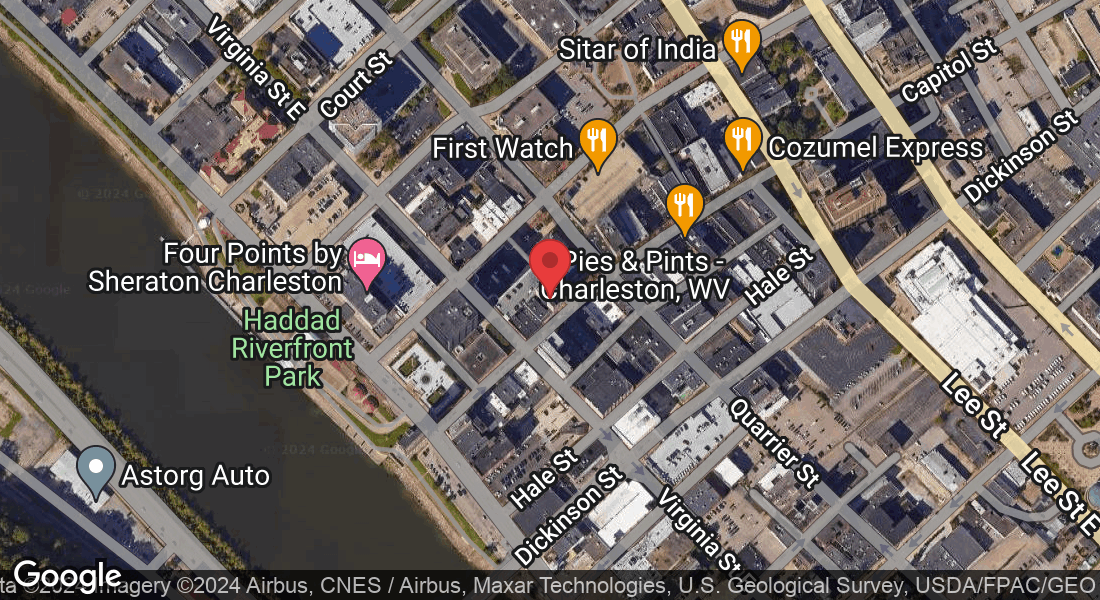
109 Capitol Street Suite 700
Charleston, WV 25301
Assistance Hours
Mon – Fri 9:00am – 5:00pm
Saturday – Sunday CLOSED