Blogs

Trusted Estate Planning Attorneys: Charleston, WV Services
Estate Planning in Charleston, WV — Protect Your Family, Your Wishes, and Your Legacy
Estate planning organizes who will manage your finances and healthcare today and who will inherit or care for your assets and loved ones after you die. In Charleston, WV, effective plans must follow West Virginia law and Kanawha County practice. This guide walks through the core documents — wills, trusts, powers of attorney, and advance directives — and explains how those tools work together to reduce probate, protect beneficiaries, and prepare for incapacity. Too many families delay planning and then face intestacy rules, slow probate, and unnecessary stress for relatives. Read on to learn how to create a valid West Virginia will, compare revocable and irrevocable trusts, navigate Kanawha County probate, and use elder-law strategies like Medicaid planning and guardianship alternatives. The sections below include plain-language definitions, procedural checklists, decision-making comparisons, and clear next steps so Charleston residents can protect what matters most.
What is estate planning in Charleston, WV — and why it matters
Estate planning in Charleston means creating legal documents that control who gets your property, who makes decisions if you become unable to, and how your medical wishes are followed. By combining wills, trusts, financial and health powers of attorney, and living wills under West Virginia law, a plan replaces default intestacy rules, reduces court involvement, and clarifies fiduciary duties. For Kanawha County residents, the main benefits are control over distribution, possible probate avoidance, planning for incapacity, and clearer handling of taxes and benefits. A well-prepared plan reduces uncertainty for executors and guardians and makes transitions easier for your family. The next section shows how planning protects assets in practical situations.
How estate planning protects your legacy and assets
Estate planning protects your legacy by naming who will receive assets, assigning trusted fiduciaries, and using tools like trusts that can operate outside probate to preserve privacy and speed transfers. Proper beneficiary designations, a funded trust, and durable powers of attorney place legal authority where you want it — ahead of time — preventing intestacy rules from deciding outcomes and helping avoid disputes that can erode estate value. For example, nominating a guardian for minor children in your will reduces the chance a court will choose someone else. Planning also covers incapacity: financial and healthcare powers let designated people act for you without court intervention. With those basics in place, it’s easier to see which documents every West Virginia plan should include.
What legal documents are essential for estate planning in West Virginia?

These core documents form the legal framework for distributing assets, planning for incapacity, and setting medical preferences. Each serves a different purpose under West Virginia rules. The table below summarizes what each document does and when you should consider it.
DocumentPrimary PurposeWhen to Use ItLast Will and Testament (WV)Specify who receives property; name an executor and guardiansWhen you want court-supervised probate distribution or to formally name a guardianRevocable Living Trust (WV)Avoid probate and manage assets privatelyWhen you want titled property to pass to beneficiaries without probate delayDurable Power of AttorneyAuthorize financial decision-making if you are incapacitatedWhen you want a trusted agent to handle banking, investments, and billsHealthcare Power of Attorney / Living WillName medical decision-makers; state treatment preferencesWhen you want medical providers and family to follow your healthcare wishes
This comparison shows how combining documents covers most common risks. Use the checklist below to get started on a basic Charleston estate plan.
Inventory assets: List real property, bank and investment accounts, insurance policies, and beneficiary designations.
Name fiduciaries: Choose executors, trustees, agents, and guardians — and name alternates.
Document medical wishes: Execute a healthcare power of attorney and a living will.
Coordinate beneficiaries: Make sure retirement accounts and life insurance align with your plan.
Those steps lay the groundwork for drafting a valid West Virginia will and the other documents you need.
Many clients then meet with a local firm to have documents drafted or reviewed and to confirm they meet West Virginia execution rules.
RWK LAW (Ray, Winton & Kelley PLLC) provides estate planning, administration, and litigation services in Charleston. We can draft, review, and implement documents so they comply with West Virginia requirements. Contact us if you want personalized help with your plan.
How do I create a valid will in West Virginia?
A valid Last Will and Testament in West Virginia must meet specific formal requirements so Kanawha County probate courts will admit it. A will should name beneficiaries, appoint an executor, and be executed in a way that shows clear testamentary intent. Typical requirements include age and capacity limits, in-person signing with impartial witnesses, and the option to add a self-proving affidavit to simplify probate. A properly executed will reduces disputes and makes the executor’s job clearer. Use the checklist below to confirm basic execution steps.
Be at least 18 years old and mentally competent when you sign the will.
State your testamentary intent and how you want property distributed (typed or handwritten).
Sign the will yourself, or direct someone to sign it in your presence if you cannot sign.
Have the signature witnessed by the required number of competent witnesses present at the same time.
Consider attaching a notarized self-proving affidavit to help admit the will without live witness testimony.
Following these steps helps avoid common errors like unclear beneficiary language or missing witness formalities and prepares the executor to act efficiently. The section below explains witness and affidavit details that strengthen a West Virginia will.
What are West Virginia’s requirements for a Last Will and Testament?
West Virginia law requires that the testator have capacity and sign the will in the presence of at least two competent witnesses whose attestations support the will’s validity in probate. Witnesses should either see the testator sign or hear the testator acknowledge the signature. A notarized self-proving affidavit attaches sworn statements that often let the court admit the will without bringing witnesses to court. To reduce the chance of contests, use precise beneficiary descriptions, name successor fiduciaries, and keep the original will where it can be found after death. These formalities lead into the executor’s responsibilities during administration.
What do executors do and how do those duties affect administration?
An executor (personal representative) manages the estate by locating assets, notifying creditors and beneficiaries, filing probate papers, collecting and preserving estate property, paying valid debts and taxes, and distributing assets according to the will or intestacy law. Executors owe fiduciary duties — loyalty, prudence, and accounting — and can be held responsible for missteps like mismanagement or missed deadlines. Practical tasks include preparing an inventory, paying legitimate claims, and keeping beneficiaries informed; each task affects the estate’s timeline and costs. Solid record-keeping and professional advice help executors limit liability and administer the estate smoothly. These responsibilities also inform whether trusts might simplify or avoid probate administration.
What types of trusts are available in West Virginia and how do they work?

Trusts are legal vehicles in which a trustee holds assets for beneficiaries under written terms. Different trusts balance control, privacy, tax effects, and asset protection in different ways. A revocable living trust lets you keep control and change terms, and — when funded correctly — can avoid probate. An irrevocable trust can offer stronger creditor protection and help with Medicaid planning but requires giving up ownership. Special needs trusts protect benefit eligibility for disabled beneficiaries, and testamentary trusts (created in a will) let you control distribution after death but still go through probate. Which trust is right depends on goals like probate avoidance, creditor protection, or preserving public benefits. The table below compares common trust types and their probate/tax implications.
Trust TypePrimary BenefitProbate/Tax ImplicationRevocable Living Trust (WV)Avoid probate; keep matters privateAssets properly funded to the trust generally avoid probate; income usually reported by the grantor during lifeIrrevocable Trust (WV)Creditor protection; Medicaid planningCan remove assets from taxable estate and may affect benefit eligibilitySpecial Needs Trust (WV)Preserve public benefits for disabled beneficiariesHelps maintain eligibility for means-tested programs; excluded from beneficiary’s estateTestamentary TrustControl distributions after deathCreated by a will and subject to probate; useful for protecting minors or managing inheritances
Revocable vs. irrevocable trusts — what’s the difference in West Virginia?
A revocable living trust keeps control with the grantor — you can amend or revoke it — and is useful for probate avoidance when assets are retitled. An irrevocable trust transfers ownership away from the grantor, offering stronger creditor protection and potential Medicaid planning benefits, but it reduces the grantor’s control. Tax treatment also differs: revocable trusts generally treat income as the grantor’s for tax purposes, while irrevocable trusts may be separate tax entities. Your choice depends on whether you prioritize control and flexibility or creditor protection and benefit eligibility.
How can trusts help avoid probate and protect assets in Charleston?
Trusts avoid probate when you transfer title to assets into the trust during your lifetime, letting trustees distribute property without court-supervised administration and keeping family affairs private. Funding a trust properly means retitling deeds, changing account ownership, updating beneficiary designations where appropriate, and keeping a trust inventory for trustees to follow. Avoiding probate shortens distribution timelines and limits public disclosure of estate details. Effective implementation also requires attention to local recording and beneficiary coordination in Kanawha County. Many clients ask RWK LAW to draft trust documents and help complete the funding steps so the trust functions as intended.
RWK LAW helps clients choose suitable trust vehicles, draft clear trust terms, and complete funding steps necessary for probate avoidance and asset protection under West Virginia law. Contact us if you need a tailored trust plan or a funding checklist.
What is the probate process in Charleston, WV — and how do I navigate it?
Probate in Charleston is the court-supervised process for admitting wills, appointing personal representatives, resolving creditor claims, and distributing estate assets under West Virginia law and Kanawha County procedures. Probate starts by filing a petition in the local court, then moves through inventory, creditor notice periods, claim resolution, and final distribution orders. Timelines vary depending on estate complexity and whether the estate is contested. Knowing local forms, small-estate alternatives, and required notices helps executors reduce delays and costs. The table below outlines the typical Kanawha County probate steps, who usually performs them, and expected timeframes.
What steps are involved in probate court in Kanawha County?
Kanawha County probate usually follows this sequence: file the initial petition and will, have the court appoint a personal representative, give notice to creditors, file an inventory and appraisal, pay debts and taxes, and request final distribution and closing orders. Each step has statutory requirements and timing. The compact table below clarifies common steps, the responsible parties, and typical outcomes to set realistic expectations for administrators and heirs.
StepResponsible PartyTypical Timeframe / OutcomeFile petition and admit willExecutor or attorneyWeeks to set an initial hearing; court appoints personal representativeNotice to creditorsPersonal representativeCreditor claim period runs under statute; often several monthsInventory and appraisalPersonal representativeFiled with the court; establishes estate assets for distributionPayment of debts/taxesPersonal representativePaid before distributions; can extend administration timeFinal distribution and closingPersonal representative / CourtCourt approves distribution and closes the estate
How can executors handle small estates and contested wills?
Executors should first determine whether an estate qualifies for simplified small-estate procedures under West Virginia law; those routes can reduce filing costs and processing time when assets fall below statutory thresholds. Small-estate administration usually requires fewer forms and limited notice steps, though executors still must inventory assets and follow creditor procedures. Contesting a will requires filing timely objections and proving grounds like lack of capacity, undue influence, or improper execution; contests increase discovery, hearings, and delay. Executors can reduce disputes by keeping clear records, communicating with beneficiaries, and seeking counsel when complex claims emerge to protect estate assets and avoid personal exposure. Thoughtful preparation lowers the chance of contests and helps administration run smoothly.
How do powers of attorney and advance directives support estate planning in West Virginia?
Powers of attorney and advance directives are essential for incapacity planning: they authorize trusted people to make financial and healthcare decisions if you cannot, often avoiding guardianship proceedings. A durable financial power of attorney remains effective during incapacity for money matters, and a healthcare power of attorney plus a living will document medical decision-makers and treatment preferences. Together with wills and trusts, these instruments create a complete plan that operates while you are alive and after you die. The following sections define each document and offer practical tips for selecting agents and executing them under West Virginia rules.
What is a durable power of attorney and when should I use it?
A durable power of attorney (POA) gives an agent authority to manage financial matters and remains effective if you become incapacitated when the document is drafted as durable. Use a durable POA when planning for aging, serious illness, extended travel, or any situation where you want a trusted person to handle banking, investments, and bills without court involvement. When choosing an agent, consider trustworthiness, financial skill, and proximity; name successor agents for continuity. You can limit powers or set triggers to tailor the POA to your needs, and you should review it periodically as your circumstances change. A durable POA works alongside trusts and other estate documents to keep assets managed during incapacity.
How do healthcare powers of attorney and living wills protect medical wishes?
Healthcare powers of attorney and living wills protect your medical preferences by appointing a decision-maker and documenting treatment choices such as life-sustaining interventions and organ donation. A healthcare POA names an agent to make decisions consistent with your values, while a living will records specific directives for providers to follow. To make them effective, give copies to your agent, your primary care physician, and local hospitals, and update them after significant health events. Regular reviews keep directives current as medical options and personal preferences evolve. Properly aligned healthcare documents reduce the likelihood of guardianship and help ensure your wishes guide medical care.
How do elder law and asset protection affect estate planning in Charleston, WV?
Elder law and asset-protection strategies intersect with estate planning when addressing long-term care costs, Medicaid eligibility, and potential guardianship. These strategies require careful timing and legal structure to avoid penalties and preserve benefits. Medicaid planning in West Virginia involves understanding eligibility rules, the five-year look-back, and permissible transfers; tools such as certain irrevocable trusts or qualified income trusts may play a role when used correctly. Without planning, long-term care costs can rapidly deplete savings, so coordinated use of trusts, beneficiary designations, and durable POAs can protect assets. When incapacity occurs without proper documents, guardianship or conservatorship may be necessary; proactive planning often avoids or limits those court interventions. The sections below summarize Medicaid basics and guardianship procedures in West Virginia.
What is Medicaid planning and why does it matter for long-term care?
Medicaid planning arranges assets and income so someone can qualify for long-term care assistance while minimizing uncompensated loss of resources. It matters because nursing home and assisted-living costs can quickly exhaust savings. Planning must account for West Virginia’s five-year look-back, allowable transfers, and timing — improper transfers can trigger penalties and delay eligibility. Common tools include certain irrevocable trusts, spend-down strategies, and qualified income trusts; each has different effects on eligibility and estate inclusion. Because timing is critical, start planning early and document transfers carefully to avoid unintended penalties and preserve assets for heirs.
How do guardianship and conservatorship work in West Virginia?
Guardianship (personal decisions) and conservatorship (financial decisions) are court-appointed roles for people who lack capacity and have no effective powers of attorney. The court process requires medical evidence, notice to interested parties, and a hearing; courts often consider limited or tailored guardianships that protect autonomy. If possible, advance directives, durable POAs, and trusts should be used to avoid or narrow court involvement. When guardianship is necessary, presenting thorough medical evidence and proposing qualified guardians helps the court issue orders that protect the person while limiting unnecessary restrictions.
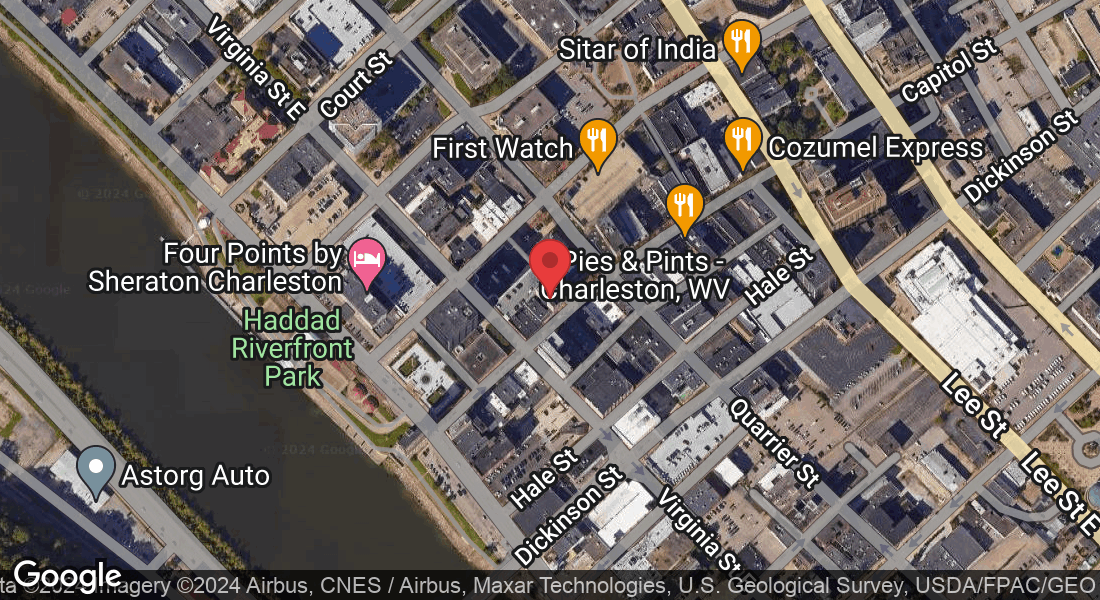
RWK LAW’s estate planning and elder-law attorneys help Charleston families evaluate Medicaid strategies, prepare irrevocable or supplemental trusts when appropriate, and guide families through guardianship or conservatorship matters. For a personal consultation, call RWK LAW at (304) 342-1141, email RWK-Receptionist@rwk-law.com, or visit our Charleston office at 109 Capitol Street Suite 700, Charleston, WV 25301 to schedule an appointment.
Prepare documentation: Gather account statements, titles, insurance policies, and medical records before your meeting.
Ask for a plan: Request a written roadmap that shows probate-avoidance steps and elder-law options.
Review annually: Revisit documents after major life events or when laws change.
Additional resources and practical checklists
Executor checklist: Locate original estate documents and inventory assets.File required probate petitions and provide notices if necessary.Keep detailed records of estate transactions and communications.
Trust funding checklist: Retitle deeds and accounts in the trust’s name where appropriate.Update beneficiary designations when trust ownership is not possible.Give trustees a trust inventory and instructions for access.
Incapacity readiness checklist: Execute durable financial and healthcare powers of attorney.Create a living will and distribute copies to your agent and providers.Store originals where named agents can access them and note locations in a trust binder.
These checklists turn planning into practical steps and ease the burden on loved ones. For hands-on help completing any item or reviewing documents for West Virginia compliance, consult a qualified attorney.
DocumentPurposeHow it helpsWillDirect probate distributionClarifies executor duties and guardian nominationsTrustManage assets outside probateSpeeds distributions and preserves family privacyDurable POAManage finances during incapacityAvoids guardianship and ensures bills are paid
Estate planning in Charleston combines legal requirements with personal choices. By using clear documents, following Kanawha County probate steps, and addressing elder-law concerns, families protect assets and make their wishes enforceable.
For tailored guidance, RWK LAW (Ray, Winton & Kelley PLLC) offers estate planning, administration, and elder-law services in Charleston. We assist with drafting, funding, and navigating probate and elder-law matters. Call us at (304) 342-1141, email RWK-Receptionist@rwk-law.com, or visit 109 Capitol Street Suite 700, Charleston, WV 25301 to arrange a consultation with our estate planning attorneys Christopher J. Winton, David S. Hughart, Mark W. Kelley, Franki L. Parsons, Scott H. Kaminski, or John J. Brewster. You can also learn more about our team.
Frequently Asked Questions
1. What is the difference between a will and a trust in estate planning?
A will directs how property is distributed after death and generally goes through probate. A trust places assets with a trustee to be managed and distributed under the trust’s terms and — when funded during life — can avoid probate, speed distributions, and preserve privacy. Trusts often offer more control over post-death asset management, which is why many families use both a will and one or more trusts.
2. How can I keep my estate plan effective over time?
Review and update your estate plan after major events — marriage, divorce, births, deaths, or major financial changes — and periodically as laws change. Keep beneficiary designations current and meet with your estate attorney every few years to confirm documents still reflect your wishes.
3. What are the tax implications of estate planning in West Virginia?
West Virginia does not currently impose a state estate tax, but federal estate tax may apply to large estates. Proper planning — including trusts and gifting strategies — can reduce tax exposure. Speak with a tax professional or estate planning attorney for strategies tailored to your situation.
4. Can I create my own estate planning documents, or should I hire a professional?
Templates and online services can work for simple situations, but a lawyer is usually advisable when you have real estate, business ownership, blended-family issues, or complex elder-law needs. An estate attorney ensures documents comply with West Virginia law and address subtleties that can prevent costly mistakes.
5. What happens if I die without an estate plan in West Virginia?
If you die intestate (without a will), West Virginia’s intestacy laws decide how your property is distributed — usually to closest relatives — which may not match your wishes. Probate can also become longer and more contentious. Creating a clear estate plan avoids those default rules and gives you control.
6. How can I protect assets from creditors through estate planning?
Irrevocable trusts can shelter assets from certain creditors and assist with Medicaid planning when used correctly. Retirement accounts and life insurance often have built-in protections as well. Asset protection strategies should be designed with legal guidance to avoid penalties and maintain legitimate benefit eligibility.
7. What role does a healthcare power of attorney play in estate planning?
A healthcare power of attorney names someone to make medical decisions on your behalf if you cannot. Paired with a living will, it ensures your medical preferences guide care and reduces the likelihood of family disputes. It’s a core part of a complete estate plan.

If you're in need of legal help, let's talk.
Our lawyers have many years of experience, and are excited to help you with your case. Whatever your legal needs may be, we can provide the experienced legal representation you require. Let's talk about your case and see how we can help you achieve the best possible outcome. Even in circumstances in which we are unable to represent a person, we can often help find another attorney that can. So make us your first contact.
Serving Charleston and the Kanawha Valley for 125 years.






Get In Touch
Phone Number:
Address
109 Capitol Street Suite 700
Charleston, WV 25301
Assistance Hours
Mon – Fri 9:00am – 5:00pm
Saturday – Sunday CLOSED