Blogs

Mediation for Divorce in Charleston, WV: When It Works (and When It Doesn’t)
Mediation for Divorce in Charleston, WV: Understanding When It Works and When It Doesn’t
Divorce mediation is an out-of-court process that helps couples negotiate separation terms with less conflict and more control than litigation. In Charleston, WV, mediation offers a structured space to address assets, custody, and support. This article summarizes the process, legal steps, benefits, limits, and how to prepare so you can decide whether mediation fits your case. For more information about our firm and services, please visit our home page.
What Is the Divorce Mediation Process in West Virginia?
In West Virginia, mediation typically begins with both spouses agreeing to work with a neutral mediator who facilitates discussions, clarifies issues, and helps generate options. Parties should prepare documents and goals before the first session. Sessions often cover asset division, child custody and support, and any temporary arrangements; the mediator keeps discussions focused and procedural. Learn more about our mediation services and how we assist clients through this process.
Familiarity with the legal framework and available professional supports is critical to navigating divorce mediation effectively in West Virginia.
West Virginia Divorce Mediation: Legal Process & Support
If a party satisfies West Virginia's residency requirements, they may obtain a divorce. This work explains the legal process, parties' rights, and procedural expectations, and describes the roles of supporting professionals—attorneys, mediators, therapists, clergy, and financial advisors.
Divorce in West Virginia: The Legal Process, Your Rights, and What to Expect, 2015
How Does Family Mediation Work in Charleston, WV?

Family mediation follows the same structure but emphasizes family dynamics and parenting arrangements. Choose a mediator with family-law experience. Prepare financial records and any existing agreements; if terms are reached, the mediator will help draft a mediation agreement for court use. Our family law and divorce services team is experienced in guiding clients through these matters.
What Are the Legal Steps Involved in Divorce Mediation in WV?
The mediation process typically occurs alongside standard divorce procedures:
Filing a Complaint: One spouse files the divorce complaint in the appropriate court.
Service of Process: The other spouse is formally notified of proceedings.
Temporary Orders: The court may issue temporary orders on custody, support, or property while the case is pending.
These steps establish the court's jurisdiction and provide a framework for converting mediated agreements into enforceable orders. For assistance with court procedures and litigation, see our general civil law litigation and lawyer disciplinary proceedings practice areas.
What Are the Benefits of Divorce Mediation in West Virginia?
Mediation offers advantages over litigation, chiefly:
Lower Stress: A less adversarial setting reduces emotional strain.
Shorter Timeline: Mediation often resolves issues more quickly than going to trial.
More Control: Parties craft their own agreements rather than having a judge decide.
Ray, Winton and Kelley, PLLC, a Charleston-based family law firm, highlights that a supportive mediation environment helps clients navigate the process efficiently. See their mediation services for firm-specific information.
How Does Mediation Compare to Litigation in Charleston?
Mediation is generally more cost-effective and private than litigation: sessions are confidential and not part of the public record, and mediation can avoid the time and fees of trial. Litigation may be necessary when parties cannot agree or when court precedent or formal adjudication is required, but it often increases conflict and stress. For complex disputes, our corporate law litigation and real estate law litigation teams provide expert representation.
What Cost and Time Savings Can Clients Expect?
Mediation can reduce time and expense through clear disclosures and focused negotiation. Typical advantages include organized financial disclosures, guidance from legal counsel on process and preparation, and fee structures that are usually lower than litigation.
Organized Disclosures: Clear financial information speeds negotiations.
Consultation Guidance: Attorneys can coach clients on expectations and terms.
Fee Structures: Mediation fees are often lower than protracted court costs.
Local firms often offer mediation packages designed to limit cost while pursuing fair outcomes. Our practice areas page details the full range of legal services we provide.
When Does Divorce Mediation Not Work in Charleston, WV?
Mediation is not appropriate in every case. Common barriers include:
Inability to Agree: If parties are unwilling to compromise, mediation may stall.
Safety Concerns: Domestic violence or abuse can make mediation unsafe or inappropriate.
Refusal to Cooperate: An uncooperative party can undermine the process.
Research underscores the challenges of family mediation in high-conflict cases and where family violence is present; such histories can materially affect processes and outcomes.
Family Mediation Efficacy: Addressing Conflict & Violence
Australian family law reforms require separating parents in dispute to attempt mandatory family dispute resolution (FDR) within community-based services before proceeding to court. Concerns exist regarding the suitability of such services when clients have histories of high conflict or family violence. The cited study protocol outlines a longitudinal analysis of couples using family mediation services. Its objectives include profiling mediation clients by type of family violence and assessing how violence profiles influence FDR processes and outcomes, including the form and durability of shared parenting arrangements and client satisfaction with mediated agreements.
Efficacy of family mediation and the role of family violence: study protocol, M Schofield, 2014
Experienced attorneys can assess safety and power imbalances and advise when litigation or other protections are needed. Our employment law and family law attorneys are skilled in handling sensitive cases.
What Are the Common Situations Where Mediation Is Unsuitable?
Other limits to mediation include:
Criminal Activity: Criminal conduct that affects divorce issues often requires court handling.
Legal Precedent Needs: Cases that require a legal ruling or precedent may be better suited for litigation.
Decision-Making Capacity Issues: If a party lacks capacity, mediation may not produce fair results.
Understanding these constraints helps parties choose the process that best protects their interests.
How Do Legal Professionals Advise Clients on Mediation Limitations?
Legal counsel will explain mediation's voluntary nature, confidentiality limits, and that mediated agreements are typically non-binding until entered as a court order. If mediation fails, litigation remains an option; attorneys guide clients on next steps and on which disclosures may or may not be protected. For comprehensive legal advice, visit our about us page or contact us directly.
How Should Clients Prepare for Divorce Mediation in West Virginia?

Preparation increases the chance of an equitable settlement. Recommended steps:
Gather Documentation: Assemble income records, bank statements, and asset documentation.
Clarify Goals: Identify priorities and realistic outcomes before sessions.
Consult with an Attorney: Obtain legal advice about rights and likely terms.
Being organized and clear about priorities supports productive negotiation. Our estate planning and litigation team can also assist with related matters.
What Documents and Information Are Needed for Mediation?
Bring documents that support financial and parenting discussions:
Income Records: Pay stubs and tax returns.
Financial Statements: Bank and investment account details and debts.
Custody Documents: Any existing custody agreements or parenting plans.
Effective mediation depends on transparency and thorough preparation to support informed decision-making.
Divorce Mediation: Process, Disclosure & Preparation
For mediation to be effective, parties must recognize that the mediator manages the process and that full disclosure of relevant information is required. This structured setting—frequently supported by professionals trained in social work and law—promotes transparency and collective decision-making.
Divorce and family mediation: History, review, future directions, 1982
How Can Clients Maximize Success During Mediation Sessions?
Adopt practical habits to improve outcomes:
Gather Relevant Documents: Have paperwork organized and accessible.
Clarify Interests: Know your priorities and trade-offs before negotiating.
Plan for Emotional Management: Use strategies to stay focused and avoid escalation.
These steps foster constructive discussions and increase the likelihood of a durable agreement.
For additional information about the firm, please visit our about us page. If you need assistance with real estate law litigation or other matters, review our practice areas or contact us.
Frequently Asked Questions
What qualifications should a mediator have for divorce mediation in Charleston, WV?
Choose a mediator with formal mediation training and family-law experience. Experience with West Virginia law and recognized certification improve effectiveness; many mediators follow professional ethical standards.
Can mediation address issues beyond asset division and child custody?
Yes. Mediation can resolve spousal support, debt allocation, future parenting plans, communication protocols, and similar post-separation issues. The process is flexible and can be tailored to the parties’ needs.
How can clients ensure confidentiality during mediation sessions?
Mediators typically use confidentiality agreements at the start of sessions. Discuss confidentiality boundaries with your mediator and limit outside discussions of mediation specifics to maintain privacy.
What happens if mediation fails to produce an agreement?
If mediation does not yield a settlement, parties may return to mediation with new preparation or pursue litigation. Mediation is non-binding unless converted into a court order; attorneys can advise on the best next steps.
Are there any specific laws governing divorce mediation in West Virginia?
West Virginia statutes and court rules provide a framework for mediation in family law, including mediator qualifications and procedural guidance. Understanding applicable rules helps protect client rights.
How can clients prepare emotionally for mediation sessions?
Prepare emotionally by using stress-management techniques, setting realistic expectations, and seeking support from counselors or trusted professionals. Focusing on problem-solving rather than past grievances helps negotiations stay productive.
What role do attorneys play during the mediation process?
Attorneys advise clients on legal rights, review proposed agreements, assist with documentation, and counsel on whether mediated terms should be entered as court orders. Their involvement helps protect client interests throughout mediation.

If you're in need of legal help, let's talk.
Our lawyers have many years of experience, and are excited to help you with your case. Whatever your legal needs may be, we can provide the experienced legal representation you require. Let's talk about your case and see how we can help you achieve the best possible outcome. Even in circumstances in which we are unable to represent a person, we can often help find another attorney that can. So make us your first contact.
Serving Charleston and the Kanawha Valley for 125 years.





Get In Touch
Phone Number:
Address
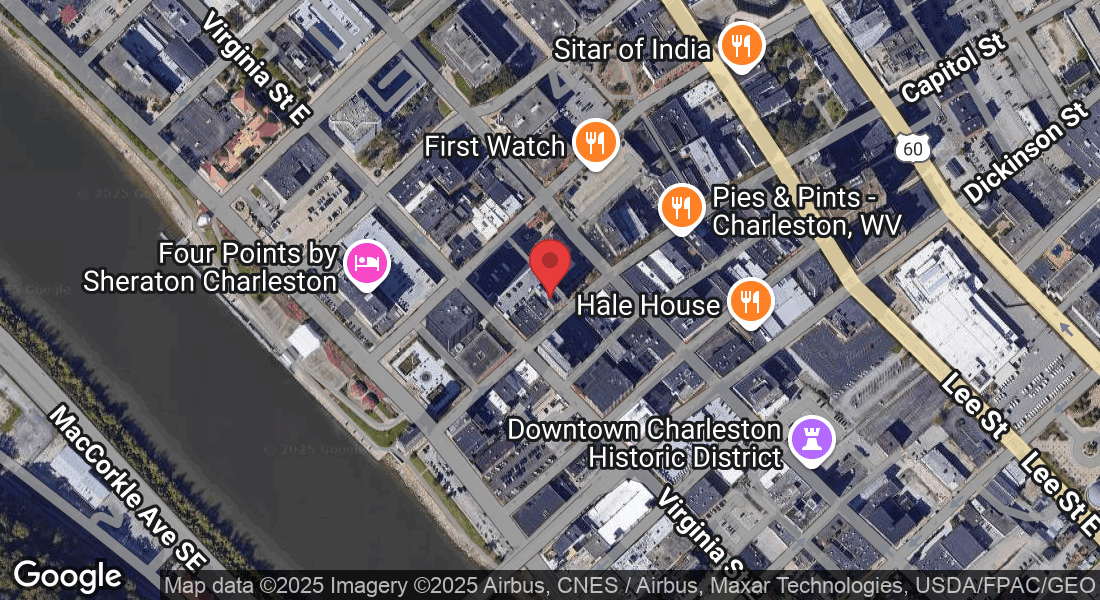
109 Capitol Street Suite 700
Charleston, WV 25301
Assistance Hours
Mon – Fri 9:00am – 5:00pm
Saturday – Sunday CLOSED