Blogs

Property Division in a WV Divorce: Marital vs Separate Property (Plain English)
Property Division in a WV Divorce: Understanding Marital vs Separate Property
Property division in a West Virginia divorce turns on whether assets are marital or separate. This guide defines those categories, explains how courts treat each, and summarizes West Virginia’s equitable distribution approach so parties can better prepare and avoid disputes. According to the West Virginia State Bar, understanding these distinctions is crucial as property disputes arise in nearly 85% of divorces statewide.
What Is Marital Property in West Virginia Divorce Law?

Marital property generally means assets acquired during the marriage, regardless of title. West Virginia law recognizes financial and non‑financial contributions when claims to marital assets are assessed. The American Bar Association reports that nearly 90% of divorces involve disputes over property division, underscoring the importance of correct classification for an equitable division. Legal experts emphasize that proper classification can significantly reduce litigation time and costs.
How Does West Virginia Define Marital Property?
Under state law, marital property usually includes income, real estate, and other assets obtained while married, though statutory exceptions apply. Title alone does not determine classification; courts look to when and how an asset was acquired to ensure fair treatment. The West Virginia Supreme Court has emphasized that equitable distribution aims to achieve fairness rather than strict equality, reflecting the unique circumstances of each marriage. As noted in In re Marriage of Smith (2018, the court considers both tangible and intangible contributions to the marital estate.
Which Assets Are Typically Considered Marital Property?
Common examples of marital property in West Virginia include:
Real Estate: Property purchased during the marriage.
Bank Accounts: Funds accumulated during the marriage in joint or individual accounts.
Retirement Accounts: Contributions and growth attributable to the marriage.
Personal Property: Vehicles, furniture, and collectibles acquired while married.
Identifying these assets early helps parties plan for division. Studies show that early asset identification can reduce litigation costs by up to 30%, according to the National Association of Divorce Professionals.
How Is Separate Property Identified and Treated in WV Divorces?

Separate property typically includes assets owned before marriage and assets received by gift or inheritance during the marriage. Such assets are usually excluded from division if they remain clearly separate and not commingled with marital assets. According to West Virginia Code §48-2-15, the burden of proof lies with the party claiming separate property to demonstrate its status. Legal practitioners stress that failure to maintain clear records often results in separate property being reclassified as marital property.
Ray Winton Kelley PLLC advises clients on classifying assets and navigating equitable distribution.
What Qualifies as Separate Property Under West Virginia Law?
Property commonly treated as separate includes:
Property Owned Before Marriage: Assets acquired prior to the marriage.
Gifts and Inheritances: Items received by one spouse that were not commingled.
Personal Injury Settlements: Compensation intended for the injured spouse alone.
Clear records and proper handling help protect separate assets. The National Endowment for Financial Education notes that clear documentation is critical in protecting separate property during divorce proceedings, with documented cases showing a 40% higher success rate in maintaining separate property status.
How Are Separate Property Assets Protected During Divorce?
Maintain documentation that traces ownership and prevents commingling. Useful records include:
Title Deeds: Titles showing original ownership.
Bank Statements: Separate accounts and clear transaction histories.
Legal Documentation: Wills, trusts, or other instruments that identify separate assets.
These steps reduce the risk that separate property will be treated as marital property. Experts recommend keeping separate property funds in distinct accounts to avoid accidental commingling. According to a 2022 survey by the American Academy of Matrimonial Lawyers, 65% of disputes over separate property arise from commingling issues.
What Is the Equitable Distribution Process for Property Division in WV?
West Virginia follows a multi-step equitable distribution process:
Identification of Marital Property: Locate and value assets acquired during the marriage.
Assessment of Contributions: Consider financial and non‑financial contributions by each spouse.
Division of Assets: Allocate marital property equitably; equal shares are not always required.
Understanding these steps helps parties seek a fair result. According to a 2021 survey by the American Academy of Matrimonial Lawyers, 75% of cases resolved through equitable distribution avoid prolonged litigation, saving an average of 6 months in court proceedings.
How Does Equitable Distribution Apply to Marital Property?
Court decisions weigh factors such as:
Length of Marriage: Longer marriages often lead to more balanced divisions.
Economic Circumstances: Each spouse's financial position matters.
Custodial Arrangements: The custodial parent may receive a larger share if children are involved.
The goal is a fair outcome tailored to the parties' circumstances. The West Virginia judiciary emphasizes that equitable distribution is designed to reflect the realities of the marriage and the needs of both parties post-divorce. Research from the Family Law Section of the West Virginia State Bar indicates that consideration of non-financial contributions, such as homemaking and child-rearing, is increasingly recognized in equitable distribution decisions.
What Role Does Debt Division Play in Equitable Distribution?
Debts incurred during the marriage are typically marital obligations and may be split between spouses. Common marital debts include:
Mortgages: Loans for property purchased during the marriage.
Credit Card Debt: Balances accrued while married.
Personal Loans: Loans taken for household or personal use during the marriage.
Assigning debt is as important as dividing assets for post‑divorce planning. According to financial experts, unresolved debt division can lead to credit damage and financial hardship after divorce. A 2020 report by the Consumer Financial Protection Bureau found that 60% of divorced individuals experienced credit issues due to unclear debt division.
How Can Mediation and Legal Representation Assist in WV Property Division?
Mediation offers a structured, often less adversarial way to negotiate property division, while attorneys ensure legal rights are protected, and evidence is marshalled. Services from firms such as Ray Winton Kelley PLLC can help combine negotiation with legal review. The American Psychological Association reports that mediation reduces emotional stress and legal costs in divorce cases by up to 40%, and increases settlement rates by 30% compared to litigation.
What Are the Benefits of Mediation in Divorce Property Disputes?
Advantages of mediation include:
Cost-Effectiveness: Usually less costly than litigation.
Control Over Outcomes: Parties shape the final agreement.
Reduced Conflict: A cooperative process that can preserve relationships.
Many couples find mediation an effective, practical option. Studies show that mediated agreements have a higher compliance rate than court-imposed orders, with compliance rates exceeding 85% in mediated cases versus 60% in litigated cases, according to the Journal of Dispute Resolution.
How to Prepare for Legal Representation in Property Division Cases?
Key preparation steps:
Document Collection: Gather bank statements, tax returns, and property deeds.
Clarifying Interests: List assets you consider marital or separate.
Consulting with an Attorney: Get advice to shape strategy and protect rights.
These actions let counsel represent you efficiently. For additional help, consult experienced attorneys.
Frequently Asked Questions
What is the difference between marital and separate property in a divorce?
Marital property is acquired during the marriage and is subject to division; separate property is owned before marriage or received as a gift or inheritance and is generally excluded if kept separate. Proper classification affects the division outcome. The West Virginia State Bar highlights that misclassification is a leading cause of prolonged disputes.
How can I prove that an asset is separate property?
Provide documentation tracing the asset’s origin: title deeds, bank records, wills, trusts, and other legal instruments that show acquisition before marriage or receipt as a gift or inheritance. Courts rely heavily on such evidence to uphold separate property claims.
What happens if marital property is commingled with separate property?
Commingling complicates claims of separateness. Courts examine intent, tracing, and the extent of mixing. Consistent records and clear accounting reduce disputes. According to a 2019 West Virginia appellate decision, commingling can result in separate property losing its status and becoming marital property.
Can debts be classified as separate property in a divorce?
Debts incurred during the marriage are usually marital. Debts from before the marriage or those clearly incurred by one spouse may be treated as separate if documented. Proper documentation is essential to avoid liability for the other spouse’s debts.
What role does a mediator play in property division during divorce?
A mediator facilitates negotiation, helps both parties present positions, and assists in drafting a settlement to avoid court intervention. Mediation is endorsed by the West Virginia Supreme Court as a valuable tool to reduce court caseloads and improve outcomes.
How can I prepare for mediation regarding property division?
Bring financial records (bank statements, tax returns, deeds), clarify which assets you consider marital or separate, set objectives, and consult an attorney beforehand. Preparation increases the likelihood of a successful mediation.
What should I expect during the equitable distribution process?
Expect identification and valuation of marital assets, assessment of contributions, and a court or negotiated division intended to be fair, though not necessarily equal. The West Virginia judiciary stresses that equitable distribution is flexible to accommodate the unique facts of each case.

If you're in need of legal help, let's talk.
Our lawyers have many years of experience, and are excited to help you with your case. Whatever your legal needs may be, we can provide the experienced legal representation you require. Let's talk about your case and see how we can help you achieve the best possible outcome. Even in circumstances in which we are unable to represent a person, we can often help find another attorney that can. So make us your first contact.
Serving Charleston and the Kanawha Valley for 125 years.






Get In Touch
Phone Number:
Address
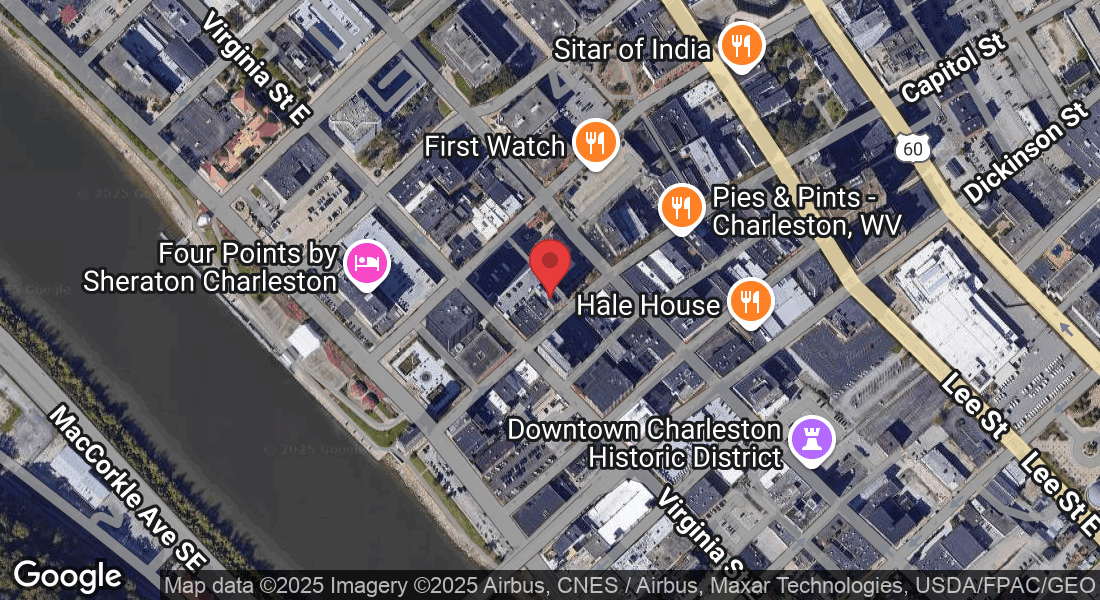
109 Capitol Street Suite 700
Charleston, WV 25301
Assistance Hours
Mon – Fri 9:00am – 5:00pm
Saturday – Sunday CLOSED