Blogs

Secure Your Future: Hire a Family Lawyer in Charleston, WV
How a Family Lawyer in Charleston, WV Helps Protect Your Future
Facing family law issues — divorce, custody, or financial disputes — is stressful. A local family lawyer brings decades of experience, steady guidance, and practical solutions that protect your rights and your future. Whether you need help planning ahead, resolving a dispute, or understanding your options in a high net‑worth case, an experienced attorney can clarify the process, guard your interests, and help you achieve the best possible outcome. Below, we explain how family law works in West Virginia, how an attorney defends parental and financial rights, and when to reach out for professional help.
What Is Family Law in West Virginia and Why Does It Matter?
Family law covers legal matters tied to personal relationships — divorce, child custody, support, and other domestic relations. These cases often mix emotional and financial complexities. Knowledgeable legal counsel helps you navigate those challenges, protect your rights, and make informed decisions at every step.
Which Family Law Issues Require Legal Expertise in Charleston, WV?
Family law matters that benefit from experienced counsel include divorce, child custody and support, paternity, and complex financial disputes. When finances, property, or custody are contested — especially in high net‑worth situations — having an attorney who understands the law and local courts is essential to protecting your interests.
How Does Family Law Protect Your Rights and Interests?
Family law safeguards your rights by clarifying legal obligations, enforcing court orders, and negotiating fair resolutions. Attorneys identify the issues that matter most — asset division, custody, support — and pursue strategies that preserve your financial stability and parental relationship while minimizing unnecessary conflict.
How Can a Family Lawyer Safeguard Your Parental Rights in WV?
A family lawyer advocates for your parental rights in custody and visitation cases, helps establish or defend paternity, and represents your interests in mediation or court. With experience in local practice, an attorney can build a case that focuses on your child’s best interests while protecting your role as a parent.
What Are the Key Custody and Visitation Rights in West Virginia?

West Virginia determines custody and visitation based on the child’s best interests. Parents may pursue joint custody or sole custody depending on the circumstances, and courts will set visitation so non‑custodial parents maintain meaningful relationships with their children. Knowing how the system evaluates custody factors is key to effective representation.
How Do Family Lawyers Advocate for Fathers', Mothers', and Grandparents' Rights?
Attorneys tailor strategies to each family’s situation — establishing paternity, negotiating parenting plans, and enforcing visitation orders when necessary. They focus on clear evidence, practical solutions, and communication that advances the child’s welfare while protecting the legal rights of parents and grandparents.
In What Ways Does Hiring a Divorce Lawyer Protect Your Financial Future?

A divorce lawyer helps you understand and manage the financial side of separation — identifying assets and liabilities, ensuring accurate valuations, and negotiating fair settlements. In high net‑worth or complex property cases, legal expertise prevents costly mistakes and helps preserve long‑term financial security.
Asset distribution in high net‑worth divorces is a clear example of where specialized legal experience matters.
High Net Worth Divorce Asset Distribution
ABSTRACT: Persoff, Ilene Leopold. The CPA Journal; New York Vol. 62, Iss. 9, (Sep 1992): 34.
Distributions in high net worth divorces, 1992
How Are Assets and Property Divided in Charleston, WV Divorces?
West Virginia follows the principle of equitable distribution. That means marital property is divided fairly — not always equally — after considering the marriage length, each spouse’s contributions, and current financial circumstances. Accurate valuations and full financial disclosure are critical to protecting your share of assets.
Transparency and precise valuation in financial disclosures are essential when courts evaluate equitable distribution.
Protecting Net Worth in Divorce & Equitable Distribution
Abuser‑spouses sometimes use legal filings to hide assets or misrepresent their net worth, which can skew a judge’s decision. Careful investigation and honest disclosure are vital to a fair result.
The Law of Equitable Distribution: When Is Domestic Violence More Than Just a Factor in Divorce?, 2022
Family law often intersects with other legal areas — for example, real estate holdings require special attention to valuation, title, and tax issues. In those situations, coordinated legal advice helps ensure property is treated correctly during divorce proceedings.
What Role Do Spousal Support and Prenuptial Agreements Play in Financial Protection?
Spousal support (alimony) can provide ongoing financial relief for a lower‑earning spouse, while prenuptial agreements set expectations about asset division before marriage. Both tools can protect financial interests — either by defining obligations in advance or by securing fair support after a marriage ends.
When Should You Consult a Family Lawyer in Charleston, WV?
You should consult a family lawyer whenever family relationships or finances are at risk — before filing for divorce, when custody is uncertain, or if disputes over property or support arise. Early advice helps you understand options and avoids unnecessary delays or mistakes.
What Are the Benefits of Early Legal Consultation in Family Law Matters?
Early consultation clarifies your rights, highlights potential risks, and sets a practical strategy. It can prevent escalation, preserve evidence, and position you for better outcomes in negotiation or court — often saving time, expense, and emotional strain.
How Can Mediation Help Resolve Family Disputes Effectively?
Mediation offers a voluntary, confidential forum where a neutral mediator helps both sides communicate and find workable solutions. It’s often faster, less adversarial, and less expensive than litigation — and it lets the parties control the outcome while protecting important relationships.
Why Choose RWK LAW as Your Family Law Attorney in Charleston, WV?
You can choose RWK LAW because our attorneys combine decades of experience with a practical, client‑centered approach. We handle a broad range of family law matters, have a strong record in complex and high net‑worth cases, and are known for clear communication and responsive service. Serving Charleston and the Kanawha Valley for more than 125 years, we know the local courts and how to protect your interests.
What Experience and Local Expertise Does RWK LAW Offer?
RWK LAW brings long‑standing local experience in family law — from custody and support to divorce and related financial disputes. That familiarity with West Virginia procedures and local judges helps us craft practical strategies and provide effective representation in negotiations and in court.
How Does RWK LAW Provide Compassionate and Client-Centered Legal Support?
We focus on practical options and clear communication, guiding clients through sensitive, emotional situations with care and professionalism. Our team listens, explains choices plainly, and pursues solutions that protect your priorities while minimizing friction. Client testimonials frequently note our responsiveness and the genuine care our staff provides.
Frequently Asked Questions
What should I consider when choosing a family lawyer in Charleston, WV?
Look for experience with cases like yours, a track record of solid results, and clear client references. Choose a lawyer who communicates plainly, responds promptly, and understands local courts and procedures — qualities that make a real difference in your case.
How can I prepare for my first meeting with a family lawyer?
Bring all relevant documents (financial statements, tax returns, property records, marriage certificate, any court papers) and a list of questions and priorities. Be candid about your situation and goals so the lawyer can give practical, tailored advice.
What are the potential costs associated with hiring a family lawyer?
Fees vary by complexity and attorney experience. Common structures include hourly rates and flat fees for specific services; additional costs may include court fees, mediation, and expert reports. Ask about fees and billing practices up front and discuss payment arrangements if needed.
What is the role of mediation in family law cases?
Mediation gives both parties a structured, confidential setting to negotiate solutions with the help of a neutral facilitator. It often preserves relationships, reduces time and cost compared with litigation, and lets the parties craft flexible, enforceable agreements.
How can I enforce a child custody agreement in West Virginia?
If a custody order is court‑approved and the other parent isn’t complying, you can file a motion for enforcement. The court may require evidence of the violation and can impose remedies — from making up missed time to modifying the order in serious cases. An attorney can help gather evidence and present the motion correctly.
What are the implications of relocating with a child after a divorce?
Moving with a child can affect custody and visitation. West Virginia law usually requires notice to the other parent and may require court approval if the move substantially changes the custody arrangement. Courts weigh the child’s best interests, the reasons for moving, and the move’s impact on the parent‑child relationship. Talk to a lawyer before relocating to protect your rights and comply with legal requirements.

If you're in need of legal help, let's talk.
Our lawyers have many years of experience, and are excited to help you with your case. Whatever your legal needs may be, we can provide the experienced legal representation you require. Let's talk about your case and see how we can help you achieve the best possible outcome. Even in circumstances in which we are unable to represent a person, we can often help find another attorney that can. So make us your first contact.
Serving Charleston and the Kanawha Valley for 125 years.




Get In Touch
Phone Number:
Address
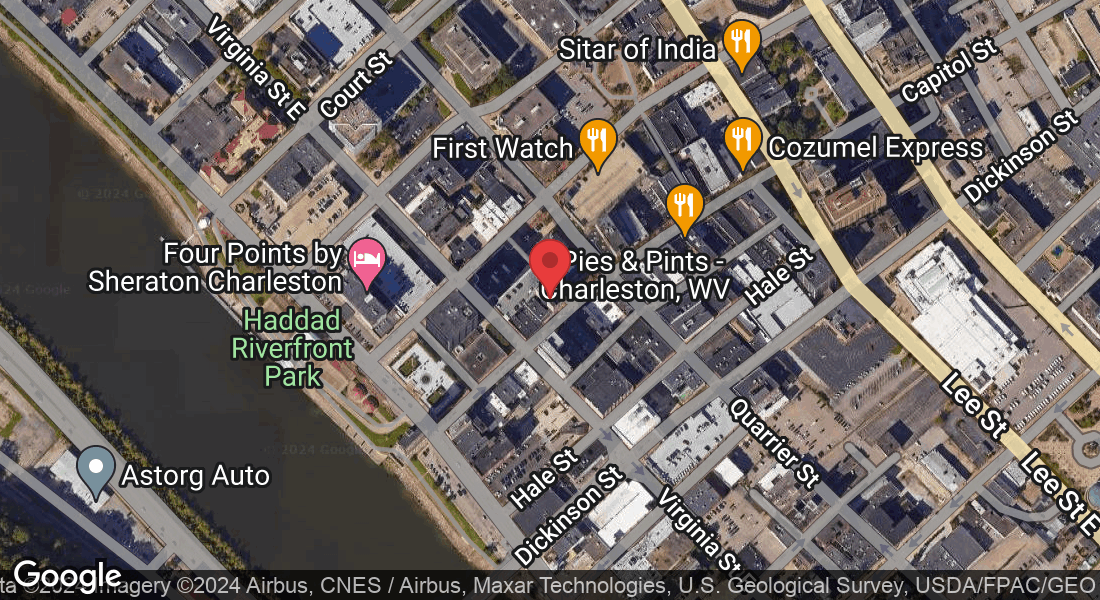
109 Capitol Street Suite 700
Charleston, WV 25301
Assistance Hours
Mon – Fri 9:00am – 5:00pm
Saturday – Sunday CLOSED