Blogs

Spousal Support in WV: When Alimony Is Awarded and How It’s Determined
Spousal Support in West Virginia: When Alimony Is Awarded and How It’s Calculated
Alimony — often called spousal support — helps a lower-earning spouse transition after divorce. West Virginia courts consider multiple factors before ordering support. This guide explains who may qualify, how courts calculate support, and how orders can change, with practical information on your rights and options. For more legal assistance, visit the RWK Law home page.
Who Qualifies for Alimony in West Virginia?
Eligibility depends on both spouses’ finances, not an automatic rule. The court evaluates specific factors during the divorce to decide whether support is appropriate. If you’re considering or disputing a spousal support claim, it helps to know what judges typically review. Learn more about related services at RWK Law's practice areas.
What Factors Determine Spousal Support Eligibility in WV?

Court decisions about alimony usually turn on a set of practical considerations:
Income and Earning Potential: current income and future ability to earn.
Length of the Marriage: longer marriages often increase the likelihood of support.
Childcare and Custody: caregiving duties that limit work are weighed.
Age and Health: health and age affect earning capacity.
Contributions During the Marriage: non-financial roles like homemaking or supporting a partner’s career.
Existing Financial Needs and Obligations: debts, living costs, and other obligations.
Together, these factors guide judges on whether support is needed and how much to award.
Scholars and case law underline how courts weigh multiple factors together rather than relying on any single rule.
Statutory Factors Courts Consider When Awarding Alimony
"The court shall consider the following factors in determining the amount of alimony, child support or separate maintenance, if any, to be ordered..." — a standard framework used in West Virginia analyses of alimony law.
Does Charleston Law Change Alimony Rules?
West Virginia alimony law is statewide, so Charleston follows the same rules. Still, judges may interpret facts differently, so outcomes can vary by courtroom.
Judicial Discretion: Individual judges have latitude to weigh each family's circumstances, which may produce different results.
Keep this statewide consistency in mind when navigating the divorce process in Charleston or elsewhere in West Virginia. For trusted legal guidance, consider contacting RWK Law or learning more about the firm.
How Is Spousal Support Calculated in West Virginia?
There’s no fixed formula. Courts balance finances, the marriage’s history, and fairness to set an amount that reflects both need and ability to pay.
Which Income and Marriage-Length Factors Matter Most?

When sizing alimony, judges typically focus on:
Relative Incomes: payer’s income versus recipient’s income and potential.
Marriage Duration: longer marriages are more likely to result in lasting support.
Standard of Living: courts try to limit a sharp drop in lifestyle where fair.
The judge weighs these elements within the full financial picture of both parties.
Temporary vs. Post‑Divorce (Long‑Term) Alimony
Alimony may be temporary (during the divorce) or post‑divorce (part of the final judgment). Temporary support covers living expenses while the case proceeds; post‑divorce support provides longer-term assistance and can sometimes be modified for substantial changes.
Temporary Alimony: short-term support during the divorce; amounts can change before the final order.
Post‑Divorce Alimony: longer-term payments included in the final judgment; may be modified for major changes.
Legal commentary distinguishes how different award types respond to later changes in the parties’ lives. For mediation options that may help resolve disputes amicably, see RWK Law mediation services.
Periodic Payments vs. Lump-Sum Awards
Periodic alimony (regular payments) is often subject to later adjustment if circumstances change. By contrast, lump-sum awards are generally final and not easily modified — a key consideration when negotiating settlements.
How Can Alimony Orders Be Modified in West Virginia?
Orders can be changed only for clear, substantial reasons. Whether you pay or receive support, understand the standards and steps required to seek modification.
What Is the Process to Modify Spousal Support in WV?
To request a change to an existing alimony order, the usual steps are:
File a Motion: the party seeking change files a motion explaining new facts or circumstances.
Attend a Hearing: the court holds a hearing where both sides present evidence and arguments.
Judge’s Decision: the judge reviews the evidence and decides if modification is warranted under the law.
The court decides based on evidence, not on temporary disagreements. For legal representation in such matters, explore family law and divorce services at RWK Law.
When Can Temporary Support Be Reduced or Ended?
Temporary alimony may be adjusted or ended when the circumstances that justified it change substantially. Common reasons include:
Significant Financial Change: a major loss of income or new hardship for the payer.
Recipient’s Remarriage: remarriage often ends entitlement to post‑divorce alimony; temporary support typically ends once the divorce is final.
Change in Custody: a custody change that affects caregiving and the need for support.
Because outcomes depend on facts and timing, consult an attorney before modifying or enforcing an order in a spousal support arrangement. RWK Law also offers expertise in general civil law litigation and related areas.
Frequently Asked Questions
How long does spousal support last in West Virginia?
There’s no single answer. Duration depends on marriage length, the recipient’s needs, and case details. Temporary support lasts through the divorce; post‑divorce support can be limited-term, long-term, or, rarely, indefinite. Judges set durations based on fairness.
Can spousal support be ordered if both spouses earn similar incomes?
Yes. Courts may award support when one spouse has lower earning potential, left the workforce, or made contributions that affect future earnings. The court looks beyond current paychecks to overall circumstances.
What effect does remarriage have on alimony?
Remarriage commonly ends entitlement to post‑divorce alimony because the new marriage may provide financial support. Temporary support during the divorce typically ends once the divorce is final. Check your court order and consult counsel. RWK Law can assist with questions about estate planning and related legal matters.
Are there tax consequences to paying or receiving alimony?
Tax rules for alimony are complex and have changed in recent years. Because treatment depends on timing and specifics, consult a tax professional to understand implications for your situation.
What if the paying spouse stops making required alimony payments?
If payments stop, the recipient can ask the court to enforce the order. Remedies include wage garnishment, contempt proceedings, fines, or other enforcement mechanisms under West Virginia law. Acting promptly and with legal help improves enforcement chances. RWK Law also handles lawyer disciplinary proceedings and employment law issues that may intersect with family law cases.
Can an awarded spousal support amount be modified later?
Yes — if a substantial and material change in circumstances is shown, the court may modify support. Common grounds include major income changes, disability, or other significant life events. The seeker must file a motion and present evidence at a hearing.
For comprehensive legal support in West Virginia, including real estate law litigation and corporate law litigation, consider consulting RWK Law.

If you're in need of legal help, let's talk.
Our lawyers have many years of experience, and are excited to help you with your case. Whatever your legal needs may be, we can provide the experienced legal representation you require. Let's talk about your case and see how we can help you achieve the best possible outcome. Even in circumstances in which we are unable to represent a person, we can often help find another attorney that can. So make us your first contact.
Serving Charleston and the Kanawha Valley for 125 years.




Get In Touch
Phone Number:
Address
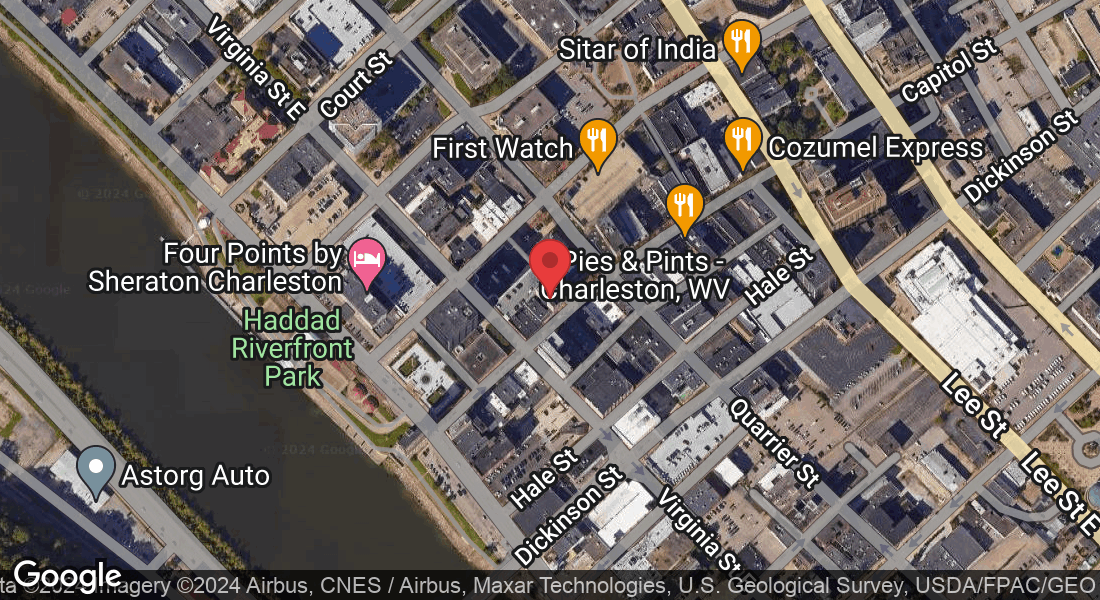
109 Capitol Street Suite 700
Charleston, WV 25301
Assistance Hours
Mon – Fri 9:00am – 5:00pm
Saturday – Sunday CLOSED