Blogs

How Real Estate Attorneys Keep WV Property Deals From Falling Apart
How Real Estate Attorneys Keep WV Property Deals From Falling Apart: Legal Strategies to Prevent Deal Collapse
Real estate transactions can break down fast when title, financing, inspection, or disclosure problems surface. Preventing those last‑minute failures is the core job of an experienced West Virginia real estate attorney. This article shows how WV attorneys spot risks early, draft enforceable contracts, cure title and lien issues, and coordinate closings so transactions reach funding and recording without collapsing. You’ll learn the most common deal‑killers in West Virginia—title defects, financing shortfalls, inspection disputes—and the practical legal tools attorneys use to fix each one. We walk through the attorney’s role at each milestone, highlight due‑diligence priorities, and offer hands‑on checklists buyers and sellers can use when working with counsel. The goal: timely legal action that preserves deals and reduces exposure for everyone involved.
What Is the Role of a WV Real Estate Closing Attorney in Preventing Deal Failures?
A West Virginia real estate closing attorney acts as the transaction’s legal coordinator. Through careful contract review, title clearance, and steady communication with all parties, the attorney prevents problems before they derail a closing. They parse the purchase agreement for unclear obligations, tighten contingency language, and recommend edits that reduce dispute risk. Attorneys also order and interpret title and lien searches, work with lenders and title companies, and set enforceable deadlines that protect both buyer and seller remedies. Those proactive moves create a predictable path to closing and cut down on last‑minute surprises.
The following list summarizes the core attorney actions that directly reduce the risk of collapse in WV transactions:
Perform an early contract review to spot ambiguous or risky clauses and suggest clear fixes.
Order and evaluate title searches and lien reports to reveal defects that could block recording.
Coordinate with lenders, title companies, inspectors, and agents to sync deadlines and paperwork.
Negotiate contingencies, escrow arrangements, and cure periods so problems can be fixed without losing the deal.
Together, these steps lower the chance of a late‑stage breakdown and set up the next phase: specific contract and due‑diligence tasks that form the practical backbone of prevention.
How Do Attorneys Conduct Early Contract Review and Negotiation to Protect Deals?

Early contract review is a line‑by‑line read of the purchase agreement to define who must do what, when, and what happens if something goes wrong. The attorney flags high‑risk provisions and suggests precise edits. Key areas to confirm include financing and appraisal contingencies, inspection and repair obligations, firm closing and funding dates, title indemnities, and who pays which closing costs. Attorneys use negotiation levers—clear timelines, conditional cure periods, or escrow holdbacks—to turn unknown risks into enforceable, manageable outcomes. The result: less ambiguity and clear decision points that prevent dispute‑driven delays.
A compact checklist attorneys rely on during review covers contingencies, deadlines, cost allocation, remedy language, and transfer conditions. Addressing these items early keeps the transaction moving to due diligence and title clearance—the next critical phase.
What Due Diligence Steps Do WV Property Lawyers Take to Identify Risks?

WV property lawyers follow a priority sequence of due‑diligence checks designed to surface encumbrances and compliance gaps that can stop a closing: a full title and lien search, public‑record checks for easements and restrictions, HOA rule verification when applicable, survey and boundary review, and targeted environmental or municipal inquiries when the property use suggests risk. Each step points to a specific cure: title reports show needed payoffs or affidavits, surveys resolve boundary issues before they escalate, and HOA reviews reveal covenants that affect use or resale. Attorneys often run these tasks in parallel so remediations finish before financing contingencies expire.
Thorough due diligence early in the process gives buyers and sellers actionable information to renegotiate terms or cure defects—allowing attorneys to coordinate title resolution and contingency management before a transaction reaches the brink.
What Are the Most Common Reasons Real Estate Deals Fall Apart in West Virginia?
Several predictable problems cause most failed transactions in West Virginia: title defects and recorded liens, lender denials or appraisal shortfalls, inspection discoveries that spark repair disputes, and poorly managed contingencies or contract breaches. Knowing these common causes helps attorneys focus attention where it matters and choose the legal tools that are most likely to preserve the deal. Below is a ranked list of typical causes with concise attorney responses showing how counsel turns a diagnosis into action.
Title defects and liens: Counsel clears clouds by negotiating payoffs or arranging title cures before closing.
Financing failures and appraisal gaps: Attorneys manage financing contingencies, seek deadline extensions, or help find bridge solutions when appropriate.
Inspection and repair disputes: Counsel drafts repair credits, escrow holds, or narrowly tailored cure obligations to keep closings on track.
Contract breaches and contingency mismanagement: Attorneys enforce contract remedies, issue cure notices, or negotiate resolutions to avoid termination.
These causes often overlap—title issues can raise lender flags, and inspection disputes may trigger financing withdrawals—so attorneys favor integrated remedies that address multiple failure points at once.
Below is a simple map showing common deal breakers and the attorney responses that typically fix them.
Deal BreakerTypical CauseAttorney SolutionTitle defects and liensRecorded judgments, undisclosed liens, chain‑of‑title gapsNegotiate payoffs, prepare curative affidavits, or pursue quiet‑title actionsFinancing failureLoan denial, underwriting problems, appraisal shortfallsManage financing contingencies, request deadline extensions, coordinate with lendersInspection disputesStructural or systems defects identified by inspectionNegotiate repairs, hold funds in escrow, or obtain contractor estimatesHOA or covenant conflictsUse restrictions or special assessments not previously disclosedReview covenants, negotiate seller disclosures or credits, advise on compliance
This table shows how targeted legal tools map to common causes, helping attorneys reduce delays and preserve contractual expectations before closing.
How Do Title Defects and Liens Cause Deal Disruptions?
Title defects—missing heirs, incorrect vesting, recorded liens, or undisclosed easements—create legal clouds that prevent transfer because title companies will typically refuse to insure until they’re cleared. Those defects stop recording and can void lender funding conditions that require insurable title at closing. Attorneys examine the chain of title, coordinate payoffs or subordinations, draft curative affidavits, and, when necessary, file quiet‑title or other corrective actions. Many title issues can be resolved or narrowed before the scheduled closing to avoid collapse. Proactive title work reduces surprises and helps preserve the buyer’s financing timeline.
Addressing title problems early also cuts downstream costs and keeps disputes from becoming adversarial at the eleventh hour, which makes closing preparation less stressful for everyone involved.
Title Examination Strategies for Real Estate Attorneys
The steps a title examiner recommends depend on the defect’s nature and severity, the buyer’s intended use, and applicable state law. Attorneys play a central role in title reviews, identifying impediments that could jeopardize a real estate transaction and advising on practical cures.
Title Examination in Virginia, 1982
How Can Financing and Inspection Issues Lead to Closing Failures?
Financing breakdowns happen when underwriters decline loans or appraisals come in below contract price. Inspections can reveal defects buyers consider deal‑killers. Either issue can trigger contract contingencies that permit termination. Attorneys manage these risks by enforcing or negotiating financing contingencies, supplying lenders with supporting documentation, seeking appraisal reconsideration when appropriate, or structuring repair credits and escrow holds to bridge disagreements. Skilled counsel drafts contingency language that creates time‑bound remediation paths and alternatives without automatic termination.
By converting financing and inspection problems into structured, short‑term remedies, attorneys keep transactions moving and reduce the number of deals that collapse at the final hour.
Mitigating Real Estate Transaction Failures: Financing and Legal Strategies
Practical strategies focused on contracts and legal frameworks can prevent financing complications and other transaction killers. Continuous professional development—such as working with experienced brokerages—also helps real estate professionals understand the legal complexities that can dissolve a deal.
Saving the Deal: How to Avoid Financing Fiascoes and Other Real Estate Deal Killers, 2008
How Do WV Real Estate Attorneys Mitigate Risks to Keep Property Transactions on Track?
WV real estate attorneys reduce transactional risk with a stepwise approach: identify and document risks early, coordinate title and lien resolutions, draft enforceable contingencies and escrows, and keep constant communication among lenders, title agents, inspectors, and brokers. This work narrows the gap between parties’ expectations and the legal rules that govern closing. Attorneys also use dispute‑avoidance tools—clear cure periods, conditional releases, and targeted escrow funds—to preserve the economic exchange while problems are fixed.
The practical mitigation workflow typically follows these steps:
Order title and lien searches right after contract ratification to uncover encumbrances.
Set and document contingency deadlines and cure procedures for financing and inspections.
Coordinate with lenders and title companies to align underwriting and closing timelines.
Use escrow arrangements, holdbacks, or conditional funding to secure performance of cures.
These steps create legal and operational scaffolding that prevents surprises from derailing a transaction and lead into the specific legal tools attorneys use, summarized below.
Different legal tools serve distinct prevention roles. The table below compares common tools with their purpose and how they prevent collapse.
Legal ToolPurposeHow It Prevents Deal CollapseTitle Search & Curative ActionIdentify and remove encumbrancesClears defects before recording so lender funding can proceedContingency ClausesDefine rights and deadlinesCreates structured remedies and decision points to avoid surprise terminationsEscrow/HoldbackSecure funds for agreed repairs or payoffsAllows closing to proceed while obligations remain enforceableQuiet‑Title / AffidavitsLegally resolve ownership disputesRemoves clouds that block transfer and issuance of title insurance
This comparison shows how legal mechanisms act as safeguards—turning discovery into concrete cures that keep closings moving toward recording.
What Legal Solutions Address Boundary Disputes and Contract Breaches?
Boundary disputes and contract breaches call for tailored legal workflows that prioritize preserving the deal before turning to litigation. For boundary issues, attorneys order or review surveys, examine recorded deeds and easements, and try negotiated settlements or boundary‑line agreements backed by releases. If negotiation fails, quiet‑title or declaratory relief may resolve ownership lines—though litigation can delay closing, so timing is critical. For contract breaches, counsel issues cure notices, negotiates extensions or performance plans, or structures financial remedies that let the transaction proceed while damages are reserved.
Choosing negotiation and limited judicial remedies when possible keeps parties focused on practical resolutions and preserves the core economic exchange, minimizing disruption to closing schedules.
How Do Attorneys Manage Contingencies and Repair Negotiations Effectively?
Managing contingencies and repair negotiations requires precise drafting and active case management: tie contingency dates to verifiable events, make cure periods explicit, and match remedies to the defect’s scope. Attorneys prepare sample contingency language that defines inspection scope, acceptable remedies (repair, credit, or price adjustment), and clear escalation paths if parties can’t agree. In negotiations, counsel uses objective estimates—contractor bids, inspection reports, escrow proposals—to frame fair solutions and recommend escrow holdbacks when repairs will extend past closing.
Clear, enforceable contingency protocols reduce the risk of unilateral termination and keep momentum toward closing by turning disputes into structured resolution paths.
Why Is Legal Guidance Essential for Navigating the West Virginia Real Estate Closing Process?
Legal guidance matters in West Virginia because the closing process requires careful coordination between title, financing, disclosure compliance, and county recording. Attorneys manage statutory and local disclosure duties, make sure title and lien issues are cleared in time, and align lender and recording timelines so funding and conveyance happen smoothly. Practical legal oversight also helps parties understand how West Virginia’s disclosure and contract principles apply to their deal, so buyers and sellers can make informed choices and reduce post‑closing risk. Local counsel familiar with Charleston and the Kanawha Valley know which title companies and recording offices to engage and how to navigate regional procedures efficiently.
RWK LAW (Ray, Winton & Kelley PLLC) brings hands‑on real estate and litigation experience across West Virginia markets. From our Charleston office we provide closing coordination and dispute‑avoidance counsel throughout the Kanawha Valley. Our local roots and familiarity with regional title practices support timely remediation and compliance that help keep deals on track.
The next section lists the milestones attorneys coordinate during a typical WV closing so parties can see the sequence and legal touchpoints that require attention.
What Are the Key Milestones in a WV Real Estate Closing That Attorneys Coordinate?
Attorneys manage the critical milestones from contract ratification through funding and recording, making sure each event aligns with contingencies and lender requirements. Typical milestones include contract execution and deposit, due diligence and inspection windows, financing approval and appraisal receipt, title search and curative actions, pre‑closing document exchange, funding and closing, and final recording of deed and mortgage. At each stage attorneys prepare required documents, track deadlines, and communicate outstanding items to lenders, title agents, and clients to avoid funding delays. This chronological oversight prevents cascading failures by keeping tasks synchronized and visible.
Keeping to this schedule also means ensuring compliance with West Virginia disclosure obligations, which the following section addresses.
How Does an Attorney Ensure Compliance With WV Property Disclosure Laws?
Attorneys ensure disclosure compliance by reviewing seller‑provided disclosure forms, corroborating known property conditions with inspection and public records, and advising clients about material defects that must be disclosed under West Virginia law. While caveat emptor applies in some contexts, sellers must still disclose known material defects, and attorneys help document disclosures or advise buyers on protections like inspection contingencies and repair credits. Counsel may also recommend additional checks—municipal permit histories or environmental records—when property characteristics suggest specialized risk, reducing the chance that undisclosed liabilities derail a closing or trigger post‑closing claims.
Documenting disclosures and aligning them with contractual protections both lowers litigation risk and preserves the transaction’s momentum by setting clear expectations before closing.
How Does RWK LAW's Experience Benefit Clients in Preventing WV Property Deal Collapse?
At RWK LAW (Ray, Winton & Kelley PLLC) we provide West Virginia clients with real estate and litigation services that support transaction stability. Our local approach emphasizes practical coordination and timely legal remedies. We handle closing counsel work and provide litigation‑ready advice when disputes threaten a deal, serving clients across West Virginia with particular experience in Charleston and the Kanawha Valley. Our process focuses on early contract review, proactive title and lien resolution, and coordinated communication with lenders and title companies to reduce last‑minute failures.
RWK LAW’s approach helps clients in three concrete ways:
Local experience with title companies and recording procedures that speeds curative actions and cuts administrative delays.
Coordinated closing processes that align financing, inspections, and recording to minimize timing conflicts and missed contingencies.
Litigation‑ready advice when disputes require formal resolution, so clients understand remedies and timing trade‑offs.
These capabilities reflect our regional practice focus and deliver practical legal support designed to move transactions toward funding and recording.
What Unique Expertise Does RWK LAW Bring to West Virginia Real Estate Law?
RWK LAW’s expertise covers both transactional real estate work and dispute resolution for West Virginia clients, with a strong presence in Charleston and the Kanawha Valley. Our familiarity with local recording offices, title agents, and regional underwriting practices helps us anticipate common obstacles and recommend efficient curative steps. That local knowledge accelerates title resolutions and aligns stakeholder expectations—reducing the operational friction that often causes last‑minute collapse.
Applying these procedural nuances early in the transaction lifecycle preserves value for buyers and sellers and minimizes delay.
How Does RWK LAW's Client-Centered Approach Support Successful Closings?
Our client‑centered process emphasizes clear communication, prioritized risk management, and practical scheduling to keep closings on track. We typically follow a client touchpoint flow: an initial consult and contract assessment, prioritized due diligence and title ordering, active coordination with lenders and title agents, and a pre‑closing review to confirm readiness for funding and recording. By maintaining consistent checkpoints and advising on contingency language and escrow options, we reduce surprises and help parties reach enforceable settlements that facilitate closing.
This process‑driven approach keeps clients informed about title, financing, and inspection status at each milestone, enabling timely remediation rather than reactive dispute management.
What Are Practical Steps Buyers and Sellers Can Take With Legal Help to Avoid Deal Breakdowns in WV?
Buyers and sellers can reduce collapse risk by following attorney‑guided steps: retain counsel early at the offer stage, order title and lien searches immediately, clarify contingencies and cure periods in the contract, and coordinate inspection, appraisal, and financing timelines with legal oversight. These steps turn uncertain events into documented processes and create measurable decision points that limit disputes. The checklist below lists actionable items to implement with counsel so both buyers and sellers understand how to move the transaction to closing.
Hire an attorney at the offer or contract stage to review and negotiate protective clauses.
Order and review a title search and any required surveys or municipal records early in due diligence.
Use clearly worded contingencies with defined deadlines and cure procedures for financing and inspections.
Keep documented communication with lenders, title companies, and agents to coordinate deadlines and required deliverables.
Following this checklist aligns expectations and creates enforceable remediation paths when problems arise, which reduces last‑minute collapses and underscores why early intervention matters.
How Can Early Legal Intervention Prevent Last-Minute Closing Surprises?
Early legal involvement—ideally when an offer is accepted—lets counsel identify title clouds, unclear contract terms, or disclosure gaps before they trigger lender or buyer objections. Attorneys who step in early can order title searches and surveys, negotiate contingency language, and set realistic deadlines that preserve financing windows. Starting remediation at the outset converts potential deal‑killers into scheduled tasks that complete before closing, reducing stress for everyone.
Bringing counsel in early therefore transforms uncertain events into predictable workflows and informs the final set of best‑practice contract review items below.
What Are Best Practices for Contract Review and Risk Assessment in WV Property Deals?
Best practices in West Virginia emphasize clarity, enforceability, and timing: define financing and inspection contingencies with specific cure periods; confirm who pays for surveys and repairs; include title indemnity or insurance requirements; and set recording and funding contingencies with firm deadlines. Attorneys recommend timelines for each action—title search within days of ratification, inspection and appraisal schedules that match financing approvals, and pre‑closing document exchanges several days before funding—to minimize bottlenecks. Keeping records of disclosures and inspection reports further reduces post‑closing disputes and creates a defensible record if litigation becomes necessary.
Adopting these practices turns legal risk into manageable tasks and keeps the transaction on a clear schedule toward funding and recording.
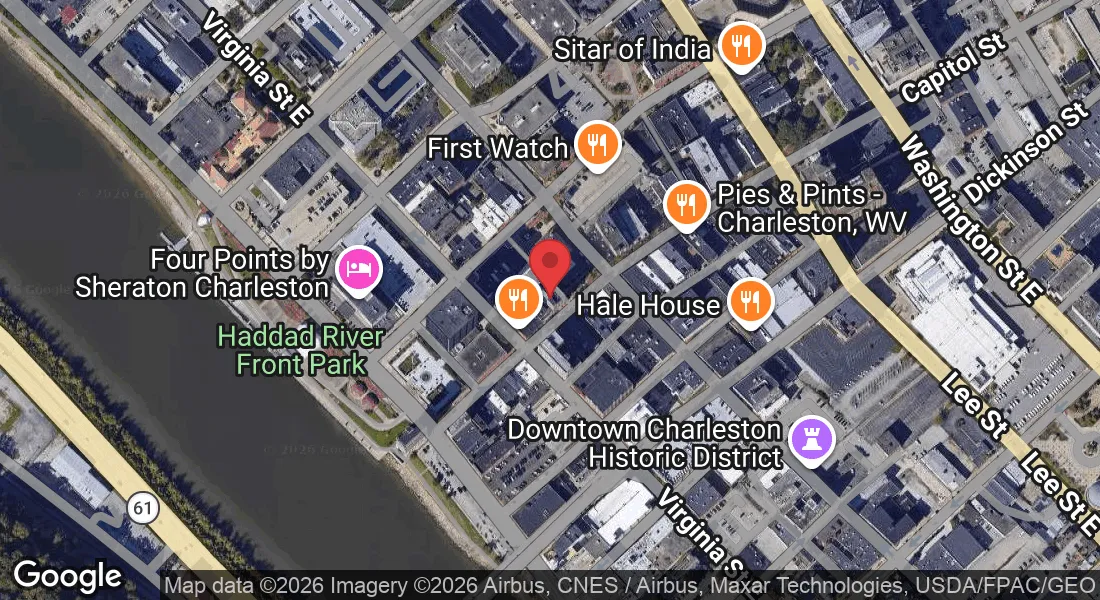
109 Capitol Street Suite 700, Charleston, WV 25301 — (304) 342-1141
If you’d like help applying these prevention strategies to a specific West Virginia property transaction, RWK LAW (Ray, Winton & Kelley PLLC) can review contracts, coordinate title and closing tasks, and advise on contingency drafting and dispute‑avoidance measures. We serve clients across West Virginia with real estate law and litigation services—contact our Charleston office using the address above to schedule an initial consultation.
Frequently Asked Questions
What should buyers and sellers do to prepare for a real estate transaction in West Virginia?
Engage a real estate attorney early—ideally at the offer stage. That lets counsel review the contract, negotiate protective language, and advise on necessary documents. Order a title search and any required surveys during due diligence. Include clearly defined contingencies and cure periods to manage financing and inspections, and keep open lines of communication with lenders, title companies, and agents to coordinate deadlines and deliverables for a smoother closing.
How can buyers and sellers effectively manage inspection issues during a real estate transaction?
Use specific inspection contingencies that outline acceptable remedies—repairs, credits, or price adjustments—and set clear timelines for inspections and responses. Document all findings and, if defects appear, negotiate repair credits or escrowed funds so repairs can be completed without derailing closing. An attorney can draft precise contingency language and facilitate negotiations to keep the transaction moving.
What are the potential consequences of not hiring a real estate attorney in West Virginia?
Without an attorney, parties risk misreading contract terms, missing local disclosure duties, and failing to resolve title defects—any of which can cause last‑minute collapses or later litigation. Missing critical contingencies or deadlines can lead to breach claims or lost deposits. Professional legal oversight reduces those risks and protects your transaction from avoidable surprises.
How do attorneys help in resolving title issues before closing?
Attorneys run careful title searches to spot defects and encumbrances that could impede a transaction. They negotiate lien payoffs, draft curative affidavits, and, where appropriate, pursue quiet‑title actions. By addressing title problems before closing, attorneys help secure lender funding and prevent recording delays, keeping the deal on track.
What steps can be taken if a financing issue arises during a real estate transaction?
If financing becomes a problem, attorneys can enforce or renegotiate financing contingencies to allow extensions or alternatives. They coordinate with lenders to provide additional documentation or request appraisal reconsideration. Attorneys can also craft repair credits or escrow holds to bridge disputes that affect financing. Effective legal management lowers the chance a financing issue ends the deal.
Why is it important to understand West Virginia's property disclosure laws?
Understanding WV disclosure rules protects both buyers and sellers. Sellers must disclose known material defects—failure to do so can lead to liability after closing. Buyers need to know their rights and protections. Attorneys review seller disclosures, compare them with inspection and public‑record information, and advise on further inquiries to reduce the chance of undisclosed liabilities creating post‑closing claims.
**

If you're in need of legal help, let's talk.
Our lawyers have many years of experience, and are excited to help you with your case. Whatever your legal needs may be, we can provide the experienced legal representation you require. Let's talk about your case and see how we can help you achieve the best possible outcome. Even in circumstances in which we are unable to represent a person, we can often help find another attorney that can. So make us your first contact.
Serving Charleston and the Kanawha Valley for 125 years.




Get In Touch
Phone Number:
Address
109 Capitol Street Suite 700
Charleston, WV 25301
Assistance Hours
Mon – Fri 9:00am – 5:00pm
Saturday – Sunday CLOSED