Blogs
Buying or Selling Property in Charleston? Why a Real Estate Lawyer Matters
Why hiring a real estate lawyer matters when buying or selling property in Charleston, WV
Buying or selling property in Charleston can be more complicated than it looks. According to the National Association of Realtors, approximately 10-15% of real estate transactions encounter significant issues that can delay or even derail a sale. These issues often include unexpected title defects, complex contract clauses, zoning discrepancies, or undisclosed property damage. A real estate lawyer offers practical guidance every step of the way — reviewing contracts for hidden pitfalls, running due diligence to spot hidden issues like easements or liens, and making sure the deal follows all local, state, and federal legal requirements. That support helps prevent problems and improve outcomes, which is why investing in legal representation is often worth it.
This article explains why a real estate lawyer can help, what support they provide to buyers and sellers, common legal pitfalls in real estate, and how fees usually work.
Ready to Protect Your Property Investment?
Don't navigate complex real estate transactions alone. Our experienced Charleston real estate attorneys are here to provide the expert guidance you need for a smooth and secure process.
Do I need a real estate lawyer to buy or sell property in Charleston?
You’re not required by law to hire one, but it’s usually smart to do so, especially given the significant financial and legal implications involved. As noted by the American Bar Association, "The purchase or sale of a home is the largest financial transaction most people will ever undertake. A lawyer can help ensure that your interests are protected throughout the process." A real estate attorney protects your interests by meticulously reviewing all documents, performing thorough title and zoning checks, and proactively addressing any legal issues that might derail a transaction. Their experience helps keep the process compliant, on track, and free from costly surprises.
Key Benefits of Hiring a Real Estate Lawyer:
Risk Mitigation: Identify and resolve potential legal issues before they escalate into costly disputes.
Contract Clarity: Ensure all agreements are fair, legally sound, and protect your specific interests.
Due Diligence: Conduct comprehensive checks on titles, surveys, and zoning to uncover hidden problems.
Expert Negotiation: Advocate on your behalf during negotiations to secure favorable terms.
Peace of Mind: Navigate complex legal processes with confidence, knowing an expert is on your side.
What legal risks can a real estate lawyer help prevent?
A real estate lawyer can help you avoid problems like:
Title defects: These are hidden claims or errors in title records, such as undisclosed liens, easements, or previous ownership disputes, that can lead to significant ownership challenges or even loss of property if not resolved before closing.
Contract disputes: Conflicts can arise over purchase terms, required disclosures, financing contingencies, or closing deadlines. A lawyer ensures contracts are clear, comprehensive, and enforceable, minimizing ambiguity that leads to disputes.
Lease agreement issues: Ambiguous or unenforceable lease terms can leave landlords or tenants exposed to financial losses, eviction challenges, or habitability disputes. An attorney drafts and reviews leases to ensure compliance and clarity.
Hidden liabilities: These include undisclosed encumbrances, unrecorded easements, environmental issues, or other obligations that weren't obvious at first glance but could become the buyer's responsibility after purchase.
Eviction problems: Mistakes in handling tenant removals, such as improper notice or failure to follow legal procedures, can create significant legal exposure for landlords, leading to costly delays and potential lawsuits.
Data from legal aid organizations often indicates that resolving real estate disputes without prior legal counsel can cost homeowners thousands of dollars in legal fees and lost time, far exceeding the cost of preventative legal services. Experienced counsel helps ensure you comply with laws and avoid costly surprises, safeguarding your investment.
How does a real estate lawyer support buyers in Charleston property transactions?

For buyers, an attorney reviews purchase agreements for clarity and fairness, ensuring all terms are understood and protect your interests. They meticulously check title records for liens, defects, or other encumbrances that could affect ownership, and coordinate all necessary steps so closing goes smoothly. They guide you through tricky situations — such as for-sale-by-owner (FSBO) purchases where standard protections might be absent, inherited properties with complex ownership histories, or lots with unclear boundaries or access issues. They also advise on legal compliance throughout the deal, from initial offer to final closing.
In West Virginia, like many states, title defects are a common concern. A 2022 report by a leading title insurance company revealed that nearly 1 in 4 real estate transactions nationwide uncover some form of title issue, from undisclosed liens to boundary disputes, underscoring the critical need for thorough legal review. Having a knowledgeable lawyer can simplify the process and materially improve your outcome by identifying and resolving these issues proactively.
What is the role of a real estate closing attorney in Charleston, WV?
A closing attorney plays a pivotal role in ensuring a secure and legally sound transfer of property. They meticulously review all closing documents, including the deed, mortgage, promissory note, and settlement statement, before you sign. They verify the title is free of unexpected liens or ownership issues, often working with title companies to clear any clouds on the title. Furthermore, they coordinate the logistics of closing, ensuring all funds are properly disbursed, taxes are paid, and documents are correctly recorded with the county clerk. They walk clients through each paper, answer questions in plain English, and help navigate complex transactions so your interests stay protected and the transaction concludes without legal complications. See more about our approach to client care.
How does a real estate lawyer protect sellers during property sales in Charleston?
A lawyer helps sellers by:
Drafting and reviewing contracts: They ensure required clauses and protections are in place, such as specific disclosure language, contingency clauses, and clear terms for earnest money, flagging any potential legal problems early in the process.
Conducting due diligence: This involves checking title records, surveys, and zoning ordinances to uncover hidden encumbrances or issues that could delay or complicate the sale, allowing for proactive resolution.
Liaising with stakeholders: They coordinate effectively with lenders, title insurers, real estate agents, and other attorneys involved in the transaction to keep the sale moving forward efficiently and resolve any inter-party conflicts.
Navigating complicated sales: Handling FSBO transactions, inherited-property sales with multiple heirs, or other nonstandard deals that require specialized legal knowledge to ensure all parties' rights are protected and legal requirements are met.
Coordinating closings: Guiding sellers through closing documents, explaining the financial and legal implications, and answering questions clearly so there are no surprises at the final stage of the transaction.
Real estate expert and author, Jane Smith, emphasizes, "For sellers, a lawyer isn't just about closing the deal; it's about mitigating future liability. Proper disclosures and contract terms, meticulously reviewed by counsel, are your best defense against post-sale claims such as allegations of undisclosed defects, boundary disputes, or misrepresentations." The firm’s experience helps protect sellers and keeps transactions within legal bounds, reducing the risk of costly litigation after the sale.
What are seller disclosure requirements and contract negotiations?
Seller disclosures are the legal duties sellers have to tell buyers about known defects or issues with a property. In West Virginia, sellers are generally required to disclose material defects that are known to them and not readily observable by the buyer. These disclosures create transparency and significantly reduce the risk of post-sale disputes by ensuring buyers are fully informed about the property's condition.
Contract negotiations are the back-and-forth discussions that set the definitive terms of sale or lease — including price, closing timing, responsibilities for repairs, financing contingencies, and other specific conditions. A lawyer helps negotiate terms that address both parties’ needs, ensuring the contract is fair, legally sound, and mutually acceptable, while protecting their client's best interests.
What are common real estate legal issues in Charleston beyond buying and selling?
Other common issues include:
Zoning and land use: Problems with permitted uses for a property, obtaining variances for specific projects, or resolving zoning violations that can impact property value and development potential.
Boundary disputes: Neighbor conflicts over property lines, often requiring detailed surveys, legal interpretation of deeds, or even court action to resolve ambiguous or encroaching boundaries.
Title issues: Beyond transactional checks, these can involve resolving long-standing liens, clearing encumbrances from previous owners, or correcting errors in property records that affect clear ownership.
Contract disputes: Disagreements over contractual terms, such as a breach of a purchase agreement, failure to perform specific actions, or disputes arising from property management contracts.
Landlord-tenant disputes: Issues related to lease enforcement, habitability standards, security deposit returns, proper eviction procedures, or tenant rights, which require adherence to specific state and local laws.
Commercial property concerns: Complex lease disputes, maintenance obligations for multi-tenant properties, zoning compliance for business operations, or environmental regulations specific to commercial sites.
According to local court records, property disputes, including boundary issues and landlord-tenant conflicts, account for a significant portion of civil litigation in West Virginia, highlighting the frequent need for legal intervention beyond transactional work. These matters often benefit from an attorney’s experience to reach an effective resolution, potentially avoiding lengthy and expensive court battles.
How are property disputes and boundary issues resolved?
Disputes are typically handled through a structured process, starting with informal negotiation between parties, often facilitated by attorneys. If negotiation fails, alternative dispute resolution (ADR) methods like mediation or arbitration are often pursued. Mediation aims to help both sides reach a mutually agreeable settlement with the assistance of a neutral facilitator, while arbitration results in a binding decision from a neutral decision-maker, similar to a court ruling but often faster and less formal. When those options don’t work, formal litigation in state court may be necessary to protect legal rights, involving discovery, hearings, and potentially a trial to obtain a court order or judgment. The right path depends on the dispute’s nature, the parties’ relationship, and the financial stakes involved.
When should you hire a commercial real estate lawyer in Charleston, WV?
Hire a commercial real estate lawyer whenever you’re involved in significant commercial property activities, such as buying or selling commercial property, negotiating or drafting complex leases, handling landlord-tenant issues for business properties, or facing zoning or land-use disputes related to commercial development. The commercial real estate market in Charleston, WV, represents billions in assets, involving intricate contracts, environmental regulations, and specific zoning requirements. Given the substantial financial stakes, legal experts consistently advise that early engagement with a commercial real estate attorney can reduce risks by up to 30% and ensure compliance with complex regulations, according to industry analyses. Commercial transactions carry unique risks and obligations, so early legal involvement can prevent costly problems and ensure your business interests are fully protected.
Common Commercial Real Estate Scenarios Requiring Legal Counsel:
Acquisition or sale of office buildings, retail spaces, or industrial properties.
Negotiating long-term commercial leases for tenants or landlords.
Developing new commercial projects, including zoning and permitting.
Resolving disputes over commercial lease terms, property management, or environmental compliance.
Structuring real estate investment partnerships or joint ventures.
What legal services are essential for commercial property transactions?

Key services for commercial deals include:
Drafting and reviewing contracts: Preparing robust purchase agreements, leases, and financing documents that protect your specific business interests and mitigate future risks.
Due diligence: Thoroughly investigating title, zoning, environmental issues, property surveys, and other potential liabilities that could impact the commercial value or usability of the property.
Negotiation: Expertly securing favorable terms with sellers, landlords, tenants, or other parties, addressing both legal and critical business concerns to achieve optimal outcomes.
Title examination: Identifying and resolving complex liens, defects, or ownership questions specific to commercial properties, ensuring a clear and marketable title.
Zoning and land use: Advising on compliance with local zoning ordinances, securing necessary permits, and navigating any approvals or variances required for commercial development or operation.
Dispute resolution: Handling enforcement actions, complex contract disputes, or litigation when necessary, aiming for efficient and cost-effective resolutions to protect business operations.
Coordination with stakeholders: Working seamlessly with lenders, insurers, brokers, appraisers, and outside counsel to keep complex commercial transactions on schedule and within budget.
What are the typical costs and fees for real estate lawyers in Charleston, WV?
Knowing legal costs ahead of time helps you budget effectively and avoid surprises. Fees vary significantly with transaction complexity, the specific services you need, and the attorney's experience level.
How do real estate lawyer fees vary by service type?
Fees commonly come as hourly rates or flat fees. Hourly rates are typical for ongoing advice, complex negotiations, or litigation, where the time commitment is unpredictable. Flat fees are often used for well-defined services like contract review or simple closings. Contingency fees are rare in standard real estate work but may apply in certain dispute cases where a financial recovery is sought. Expect possible additional charges for court filings, title searches, property surveys, expert witness fees, or recording fees. Always ask for a clear, written fee agreement up front so you fully understand expected costs for contract drafting, due diligence, or dispute representation.
Service TypeFee StructureDescriptionTypical Range (Estimate)Contract Review & DraftingFlat feeA set price to meticulously review, draft, and negotiate purchase agreements, leases, or other transactional documents.$500 - $2,500Due Diligence & Title ExaminationHourly rateBilled for time spent investigating title, surveys, zoning, environmental reports, and other critical property matters.$250 - $450 per hourResidential Closing RepresentationFlat feeA fixed cost for overseeing the closing process, reviewing documents, and ensuring a smooth transfer of ownership.$750 - $2,000Commercial Transaction SupportHourly rate or Project-basedFees depend on the complexity of commercial leases, acquisitions, or development projects, often involving extensive negotiation and documentation.Varies significantly ($5,000+)Dispute Resolution & LitigationHourly or flat feeFees depend on the dispute’s scope, complexity, and duration; contingency arrangements are uncommon but possible in specific recovery cases.$250 - $500 per hour
Ultimately, while legal fees are an investment, many clients find that the peace of mind and protection against costly future disputes provided by a real estate lawyer in Charleston, WV, offers a significant return on investment, often preventing financial losses far greater than the legal fees themselves. In short, hiring a real estate lawyer in Charleston is a smart investment. Their expertise protects your interests and helps transactions close more smoothly. Whether you’re buying, selling, or managing property, professional guidance can make a meaningful difference in the result.
Beyond real estate, our firm provides comprehensive legal services across various practice areas, including employment law, lawyer disciplinary proceedings, general civil litigation, corporate law litigation, family law and domestic relations, and estate planning, wills, and trusts.
Frequently Asked Questions
What should I look for when choosing a real estate lawyer in Charleston?
Look for local experience specifically in Charleston and West Virginia real estate law, solid client references, and a proven track record handling matters similar to yours. Ensure their communication style and availability fit your needs, and always discuss fee arrangements transparently up front so there are no surprises. A lawyer who understands local nuances can be invaluable.
Can a real estate lawyer help with property investment strategies?
Yes, absolutely. A lawyer can explain legal risks associated with various investment strategies, such as rentals, property flips, or commercial purchases. They can advise on optimal entity structuring (e.g., LLCs), zoning compliance for intended uses, and draft or review contract terms to ensure your investment aligns with your financial goals while minimizing legal exposure and maximizing protection.
What are the benefits of hiring a real estate lawyer for first-time homebuyers?
First-time buyers benefit immensely from a lawyer's guidance in interpreting complex contracts, spotting potential title issues, confirming all required disclosures have been made, and negotiating protective clauses. A lawyer reduces stress by clearly explaining each step of the process, ensuring you understand your obligations and rights, and helping you avoid common pitfalls that can be costly for inexperienced buyers.
How can a real estate lawyer assist with lease agreements?
An attorney drafts and reviews lease agreements for both landlords and tenants to clarify essential terms like rent, maintenance duties, security deposits, and tenant rights. They ensure leases comply with all local and state landlord-tenant laws, helping to prevent future disputes by creating fair, comprehensive, and legally enforceable terms that protect both parties.
What should I do if I encounter a legal issue after closing on a property?
Contact a real estate lawyer promptly. They can evaluate the specifics of your situation, whether it involves title disputes, undisclosed defects, zoning problems, or other post-closing issues. They will advise whether negotiation, mediation, or litigation is the best next step to protect your rights and seek a resolution.
Are there any specific real estate laws unique to Charleston, WV?
Yes. While West Virginia state law governs many aspects of real estate, local ordinances in Charleston can impose specific zoning rules, property tax assessment practices, building codes, and disclosure requirements that differ from other areas. A Charleston-based attorney can explain these local and state specifics and guide you through them, ensuring full compliance.

If you're in need of legal help, let's talk.
Our lawyers have many years of experience, and are excited to help you with your case. Whatever your legal needs may be, we can provide the experienced legal representation you require. Let's talk about your case and see how we can help you achieve the best possible outcome. Even in circumstances in which we are unable to represent a person, we can often help find another attorney that can. So make us your first contact.
Serving Charleston and the Kanawha Valley for 125 years.



Get In Touch
Phone Number:
Address
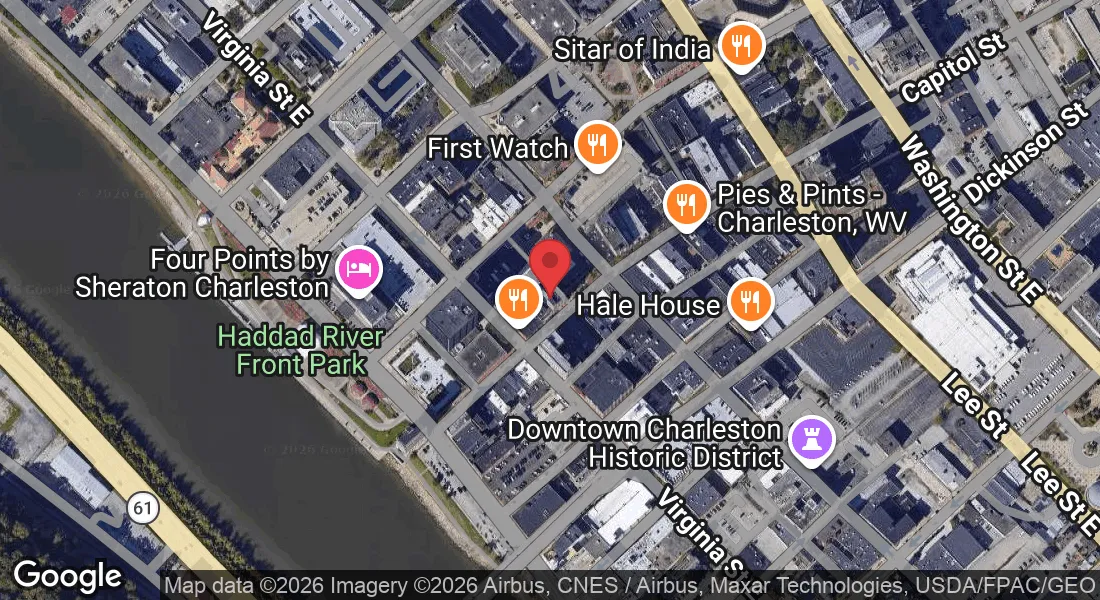
109 Capitol Street Suite 700
Charleston, WV 25301
Assistance Hours
Mon – Fri 9:00am – 5:00pm
Saturday – Sunday CLOSED