Blogs
Buying or Selling Property? Why a Real Estate Lawyer in Charleston, WV Matters
Why a Real Estate Lawyer in Charleston, WV Matters When You Buy or Sell Property
Real estate transactions carry legal, financial, and title risks. A local Charleston attorney helps manage those risks so your closing is secure, the title is clear, and contracts are enforceable. This article outlines what a Charleston real estate lawyer does, how counsel protects buyers and sellers in both residential and commercial deals, and when to call an attorney to resolve disputes. You’ll get practical steps for a West Virginia residential closing, an explanation of title examination, seller-side protections, commercial transaction considerations, and Charleston-specific dispute-resolution options. RWK LAW (Ray, Winton & Kelley PLLC) provides local real estate and litigation services — from closings and title searches to deed preparation and property disputes — and firm details appear later. Read on for a plain-language, actionable guide and step-by-step checklists to use when buying, selling, or managing commercial property in Charleston.
What Does a Real Estate Lawyer in Charleston, WV Do?
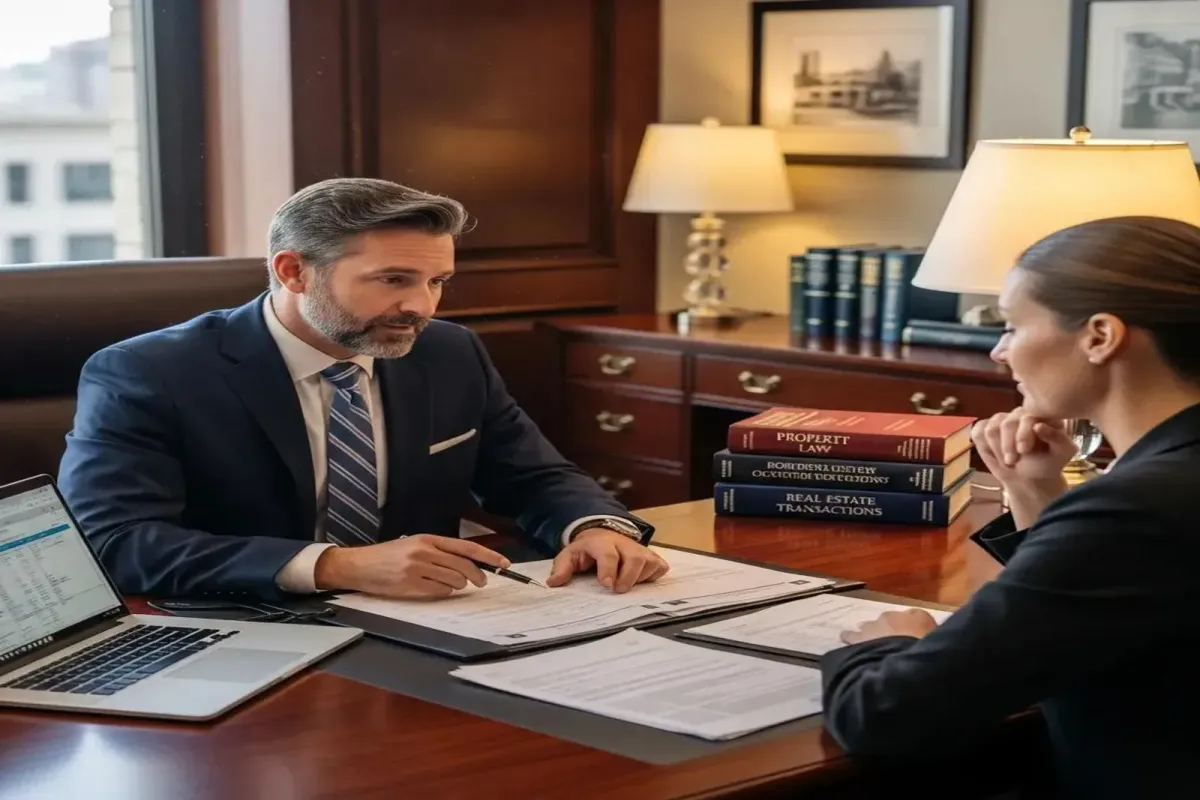
A real estate lawyer reduces transaction risk, verifies title, and ensures valid conveyances for Charleston properties. Attorneys review and negotiate purchase agreements, perform title examinations, prepare deeds and closing documents, and coordinate with lenders, title companies, and county recorders to secure proper recording. These services protect parties from hidden liens, unclear legal descriptions, and contract defects that can derail a closing. The list below summarizes the core roles clients expect from a Charleston real estate attorney and explains when it makes sense to involve counsel early.
Unlike agents or title officers, attorneys provide legal opinions, draft corrective deeds, and represent clients in litigation when title defects or disputes arise. Bringing counsel in at the contract stage preserves remedies—like contingency enforcement or quiet title actions—and often shortens or avoids later disputes. The next section breaks down how attorneys help at each stage of a property transaction.
How Does a Real Estate Attorney Assist in Property Transactions?
An attorney guides negotiations, handles due diligence, and prepares legal instruments so transfers close with minimal risk. They review purchase agreements and negotiate terms or contingencies—inspection, financing, and similar protections—to safeguard your interests and clarify obligations. Attorneys coordinate with lenders to confirm payoffs and funding instructions, work with title examiners to identify and cure encumbrances before closing, and when disputes arise they draft demand letters, negotiate remedies, or file quiet title or injunction actions to protect client rights and preserve the transaction.
What Legal Services Are Included in Real Estate Closings?
At closing, attorneys review settlement statements, confirm mortgage payoffs, prepare and review deeds, and ensure consideration and signatures make the transfer legally effective. They verify the Closing Disclosure or HUD-1 matches loan paperwork, resolve last-minute title exceptions, and supervise fund disbursement through escrow to prevent errors. Attorneys also make sure documents are recorded with the Kanawha County clerk and that deed language matches the county’s legal-description standards. These closing tasks lower post-closing exposure and help deliver clear title to the buyer.
Below is a quick-reference mapping of common transaction tasks to typical lawyer services and expected outcomes to help you plan when to involve counsel.
Transaction TaskAttorney ServiceTypical OutcomeTitle search and exception reviewExamine chain of title, identify liens or easementsClean title or plan to cure defectsContract negotiationDraft/modify contingency and remedy clausesBalanced risk allocation and enforceable termsClosing document preparationPrepare deed, affidavits, settlement statementsAccurate conveyance and proper recordationEscrow and disbursement oversightReview funding instructions and payoutsSecure transfer of funds and lien satisfaction
This table shows how early legal review aligns tasks with outcomes and why it often prevents delays.
How Does a Real Estate Lawyer Protect You When Buying Property in Charleston, WV?

A buyer’s legal protections begin with pre-contract due diligence, continue through title and contract safeguards, and finish with careful closing oversight to secure marketable title. A Charleston real estate lawyer drafts protective contingencies, orders or reviews title searches, advises on title insurance, and coordinates with inspectors and lenders so known defects are handled before funding. Together, these steps reduce the risk of costly surprises like undisclosed liens or boundary claims after closing.
Buyers get the most value when counsel follows a clear closing checklist that links each step to the lawyer’s role and explains why it matters.
Closing StepLawyer RoleWhy It MattersExecute contractReview terms and add buyer protectionsPrevents ambiguous obligations and protects earnest moneyTitle searchReview chain of title and exceptionsIdentifies liens, easements, and judgment encumbrancesInspections & contingenciesEnforce or negotiate repairs and creditsEnsures property condition matches expectationsFinal closing reviewVerify documents, recording, and fund flowConfirms marketable title and correct disbursement
This stepwise view helps buyers see how legal actions fit the closing timeline and reduce post-closing risk.
Buyers should insist on early title examination. Common defects include unpaid tax liens, contractor liens, or claims from undisclosed heirs. An early title review—and filing corrective deeds or quiet title actions when needed—prevents buyers from inheriting encumbrances that can limit use or resale. The next section outlines the typical timeline and tasks in a West Virginia residential closing.
What Are the Key Steps in a West Virginia Residential Property Closing?
Residential closings in West Virginia typically follow contract execution, inspections and contingencies, title search and resolution, loan underwriting and funding, and the closing with recording at the county clerk’s office. The attorney reviews the purchase agreement at contract, ensures contingencies are satisfied or waived on time, and confirms lender requirements before scheduling closing. During the title search the lawyer identifies liens, easements, or survey discrepancies; if problems surface they negotiate cures or require escrowed remedies. On closing day counsel verifies payoff figures, checks the closing statement for accuracy, and confirms proper signatures and notarizations before ensuring recording in Kanawha County to protect the buyer’s ownership.
Why Is Title Examination Crucial Before Purchasing Property?
A title examination reveals legal encumbrances—liens, mortgages, recorded easements, or judgment liens—that can limit ownership or require payoff at closing. Overlooking title defects can lead to lost equity, litigation, or trouble reselling; for example, an undisclosed mechanics lien might force a buyer to satisfy a prior contractor’s claim. Attorneys interpret title exceptions, coordinate with title insurers, and when necessary file quiet title actions or prepare corrective deeds to remove clouds on title. Securing title insurance and an attorney’s legal opinion reduces future risk and provides added protection if undisclosed claims appear.
With clear title addressed, next we consider seller-side issues and how counsel protects sellers and prepares proper deeds and disclosures.
Why Is Legal Counsel Essential When Selling Property in Charleston, WV?
Sellers face legal obligations and potential post-closing liability if deeds or disclosures are incomplete or inaccurate. Counsel prepares documents to effect a clean transfer and reduce exposure to later claims. A selling attorney reviews payoff demands, drafts or checks deed language, verifies tax and proration calculations, and prepares seller disclosures to avoid misrepresentation claims. These steps document the property’s condition and demonstrate reasonable disclosure and good faith—key defenses against post-closing disputes.
Sellers also benefit from counsel when negotiating contract terms or contingencies that could create liability after closing. Lawyers draft language to limit seller warranties, manage escrowed remedies, and set clear repair and closing obligations. Key seller protections typically include the items below.
Accurate Deed Preparation: Ensures the correct deed type and legal description transfer ownership cleanly.
Disclosure Review: Identifies statutory and common-law disclosure duties to reduce misrepresentation risk.
Payoff Coordination: Confirms mortgage and lien payoffs to prevent leftover encumbrances after closing.
Escrow and Indemnity Clauses: Sets up mechanisms for post-closing remediation without immediate litigation.
These protections help minimize seller risk and support a smooth closing; the next section explains deed and contract review tasks in more detail.
How Can a Lawyer Help Review and Prepare Deeds and Contracts?
Attorneys verify the appropriate deed—warranty versus quitclaim—based on the seller’s risk tolerance and the desired assurances, and they ensure grantor/grantee names and legal descriptions match county records. They prepare or review seller-side contracts, adding clauses that address contingencies, representations, and indemnities to limit future liability. Lawyers also watch for common errors—incorrect signatures, missing notary acknowledgments, or imprecise legal descriptions—that can invalidate a conveyance. Catching and fixing these mistakes before recording prevents delays and costly disputes.
What Are Common Legal Issues Sellers Face in West Virginia?
Sellers often confront title defects found by buyers or title companies, undisclosed encumbrances like unpaid HOA dues or contractor liens, and boundary disputes that surface after a sale. Misrepresentation or failure to disclose material facts can lead to rescission claims or damages. Attorneys resolve these problems by negotiating payoffs, preparing corrective deeds, coordinating with title insurance, or defending against claims using documentary proof of disclosure. Early legal review of title and disclosure packages significantly reduces the risk of expensive post-closing litigation.
Next we’ll cover commercial transactions and why specialized counsel matters for those deals.
What Are the Benefits of Hiring a Commercial Real Estate Attorney in Charleston, WV?

Commercial transactions require deeper due diligence, more complex negotiation, and specialized contract terms beyond most residential deals. An experienced commercial attorney handles zoning, environmental concerns, financing structures, and lease complexities to protect investments. Lawyers assess regulatory compliance, interpret leases with CAM and assignment provisions, and structure acquisitions through appropriate entities to manage liability and tax consequences. These services help clients secure favorable terms, avoid costly compliance mistakes, and structure financing to support development or investment goals.
The table below compares typical legal issues and attorney services across residential and commercial transactions to help you decide when to hire specialized commercial counsel.
Transaction TypeTypical Legal IssuesAttorney ServicesResidentialTitle defects, disclosures, simple financingContract drafting, title cure, closing oversightCommercialZoning, environmental, entity structuring, complex financingDue diligence, lease negotiation, entitlement, financing documentsMixed-use developmentPermitting, phased financing, tenant mixDevelopment agreements, land use approval, construction contracts
This comparison illustrates why commercial matters often need broader legal teams and specialized expertise. The sections that follow explain the distinct features and services that support leases and development projects.
How Do Commercial Property Transactions Different from Residential Ones?
Commercial deals typically allow longer due diligence, require specialized reports such as Phase I environmental assessments, and involve complex financing—mezzanine loans or construction financing with different risk profiles. Ownership structures often use LLCs or partnerships to allocate liability and tax responsibilities, and leases include detailed provisions for CAM charges, maintenance, and assignment rights that affect value. Attorneys translate these commercial risks into negotiated contract terms, allocate responsibility for remediation or compliance, and set closing conditions to protect client interests. Addressing these differences early reduces surprises and aligns expectations among buyers, lenders, and tenants.
What Legal Services Support Commercial Lease Agreements and Development?
Commercial attorneys draft and negotiate leases that cover rent escalation, common area maintenance, tenant improvements, and assignment or subletting rights—each of which impacts cash flow and long-term obligations. For development projects they assist with zoning and land-use approvals, entitlements, and developer agreements, and they coordinate permitting and construction contracts so legal protections match project timelines. Counsel also negotiates financing and intercreditor agreements to ensure project financing and lender protections support project completion and preserve asset value.
With commercial services covered, we turn to dispute scenarios and how counsel resolves property conflicts in Charleston.
How Can a Real Estate Lawyer Help Resolve Property Disputes in Charleston, WV?
Real estate lawyers guide clients through negotiation, mediation, or litigation by evaluating claims, gathering evidence like surveys and title documents, and pursuing the remedy that fits the issue. Attorneys bring quiet title actions to clear clouds on title, seek injunctions for boundary or easement enforcement, and represent landlords or tenants in eviction or lease disputes. Early legal involvement often leads to negotiated settlements or faster title cures at a lower cost than waiting for litigation.
Below are common dispute types and how lawyers typically address them so you can decide when to call counsel.
Boundary and survey disputes: Resolved with new surveys, negotiation, or quiet title suits to fix legal lines.
Easement disagreements: Addressed by interpreting recorded documents, negotiating use terms, or enforcing rights in court.
Title claims and lien disputes: Managed through lien payoff coordination, title-insurance claims, or corrective filings.
These categories outline usual resolution paths; the next section describes typical remedies and when to hire counsel.
What Are Common Property Disputes and How Are They Addressed?
Common disputes include contested boundaries discovered after purchase, easement interference between neighbors, unpaid lien claims, and landlord-tenant conflicts over repairs or rent. Lawyers begin by collecting evidence—surveys, recorded deeds, and transaction histories—then try negotiation or mediation to preserve relationships and limit costs. If those efforts fail, counsel files quiet title actions, lien removal motions, or breach-of-contract suits and represents clients through trial to secure permanent relief. Acting early preserves options and typically produces better results than waiting until litigation is forced.
When Should You Hire a Lawyer for Foreclosure or Landlord-Tenant Disputes?
Contact an attorney immediately after receiving a foreclosure notice, eviction filing, or formal dispute to protect defenses and avoid default judgments. Landlords should have counsel review lease terms before starting eviction to ensure proper notice and compliance with statutory requirements; tenants get the most benefit from early advice to identify defenses, cure periods, or negotiation leverage. In foreclosure matters, lawyers analyze redemption rights, bankruptcy implications, and loan-modification options to protect equity and housing rights. Prompt counsel raises the chance of negotiated solutions and helps avoid irreversible legal consequences.
The final section explains how RWK LAW delivers local real estate legal services and how to reach the firm for help.
How Does RWK LAW Provide Expert Real Estate Legal Services in Charleston, WV?
RWK LAW (Ray, Winton & Kelley PLLC) is a Charleston firm with long local roots, offering real estate law and litigation, property dispute resolution, closings, title search assistance, deed preparation, and contract review. The firm’s multidisciplinary practice leverages local knowledge of Kanawha County property records and West Virginia law to move transactions efficiently and resolve disputes effectively. RWK’s attorneys deliver practical, goal‑focused strategies—whether securing marketable title, negotiating lease terms, or defending against claims.
Clients appreciate the firm’s blend of transactional drafting and courtroom experience—preventive work when possible, litigation readiness when needed. The firm’s local reputation and industry recognition support credibility in complex closings and title matters. Below are typical real estate services RWK LAW offers Charleston clients.
Real estate closings and contract review: Ensures documents are enforceable and closing proceeds are handled correctly.
Title searches and deed preparation: Identifies and cures title issues and prepares accurate conveyance instruments.
Property dispute resolution and litigation: Represents clients in quiet title actions, boundary disputes, and landlord‑tenant matters.
These offerings show how the firm supports routine transactions and complicated disputes; the next section explains why clients trust RWK LAW locally.
What Makes RWK LAW’s Real Estate Team Trusted in Charleston?
RWK LAW’s longevity in Charleston, multidisciplinary practice, and local recognitions contribute to client trust in handling West Virginia closings and disputes. The team includes named attorneys with courtroom experience in title litigation and contract enforcement who handle both transactional drafting and dispute resolution. Their track record coordinating closings with title companies and lenders, pursuing quiet title or corrective deeds, and handling complex commercial entitlements gives clients confidence that the firm can deliver practical, timely solutions—whether the matter requires a quick title cure or sophisticated negotiation.
How Can You Contact RWK LAW for Personalized Real Estate Legal Guidance?
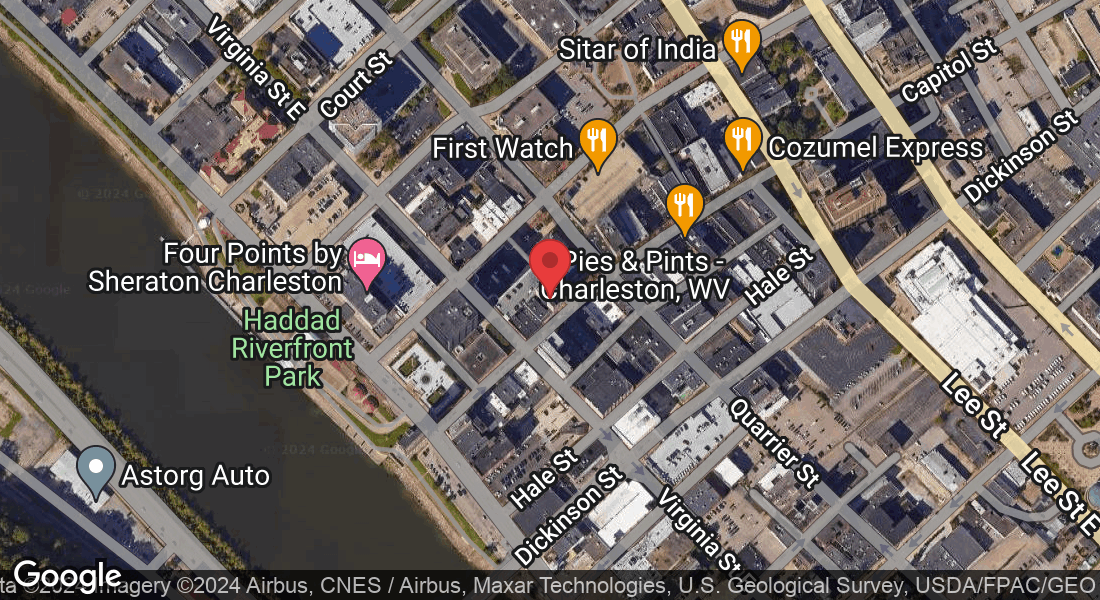
To request a consultation, call the firm or visit the downtown Charleston office to discuss your real estate matter. Bring relevant documents—purchase agreement, title report, any notices, and prior surveys—so the attorney can evaluate issues efficiently and recommend next steps such as title cures, contract amendments, or dispute strategies. RWK LAW’s Charleston office address and phone number are provided here for scheduling an appointment; when you call, ask to speak with a member of the real estate team to describe your transaction or dispute and set a consultation.
Before your meeting, gather the purchase contract, deed, the most recent title report, any survey, inspection reports, lender communications, and municipal notices. Sharing these materials lets the attorney perform an initial risk assessment and propose a tailored plan—whether that means immediate title work, contract negotiation, or litigation preparation. Taking these steps early often saves time and reduces exposure during closings or disputes.
Frequently Asked Questions
What are the costs associated with hiring a real estate lawyer in Charleston, WV?
Costs vary with the transaction’s complexity and the attorney’s experience. Many lawyers charge a flat fee for routine services like standard closings and an hourly rate for more complex matters. Discuss fees up front so you know what’s included; some firms offer retainers, flat-fee packages, or payment plans. Ask for a written fee agreement during your initial consultation to avoid surprises.
How can I find a qualified real estate lawyer in Charleston, WV?
Start by searching for local attorneys who specialize in real estate law. Ask for referrals from friends, family, or trusted real estate professionals, and check online reviews and legal directories. Schedule consultations with a few lawyers to discuss your situation, assess their experience with similar matters, and judge whether their communication style fits your needs before deciding.
What should I prepare before meeting with a real estate lawyer?
Bring all documents related to your transaction: the purchase agreement, title report, any prior surveys, inspection reports, and communications with lenders or other parties. A short list of questions and your goals for the transaction helps the attorney focus the initial assessment and recommend next steps quickly.
What are the potential risks of not hiring a real estate lawyer?
Without legal guidance you risk overlooking important contract terms, missing encumbrances on title, or misreading local laws—mistakes that can lead to financial loss, litigation, or difficulty selling the property later. An attorney helps spot and fix issues before closing and preserves remedies if problems arise after the transaction.
Can a real estate lawyer help with property disputes after a transaction?
Yes. A real estate lawyer can handle boundary disputes, title claims, and disagreements over property condition or contract performance. An attorney evaluates the facts, gathers evidence, and pursues remedies through negotiation, mediation, or litigation. Early involvement often leads to quicker, more cost-effective resolutions.
What is the role of a real estate lawyer in commercial transactions?
In commercial deals a lawyer performs in-depth due diligence, drafts and negotiates leases and purchase agreements, and addresses zoning, environmental, and financing issues. They also help structure ownership entities and financing arrangements to manage liability and tax considerations. Their expertise reduces transactional risk and helps protect the client’s investment.

If you're in need of legal help, let's talk.
Our lawyers have many years of experience, and are excited to help you with your case. Whatever your legal needs may be, we can provide the experienced legal representation you require. Let's talk about your case and see how we can help you achieve the best possible outcome. Even in circumstances in which we are unable to represent a person, we can often help find another attorney that can. So make us your first contact.
Serving Charleston and the Kanawha Valley for 125 years.



Get In Touch
Phone Number:
Address
109 Capitol Street Suite 700
Charleston, WV 25301
Assistance Hours
Mon – Fri 9:00am – 5:00pm
Saturday – Sunday CLOSED