
Expert Real Estate Attorney Services in Charleston, WV
Local Real Estate Dispute Experts
Real estate litigation in Charleston, West Virginia covers disputes about ownership, property lines, leases, and title defects that are resolved through negotiation, administrative steps, or courtroom proceedings. This guide walks Charleston property owners through the most common conflicts and shows how West Virginia law and local courts handle them. You’ll find practical steps to protect your rights, a clear explanation of how boundary and title disputes commonly arise, how quiet title actions and evictions move through magistrate and circuit courts, and when hiring counsel speeds a secure outcome. The article also outlines an attorney’s role—investigation, negotiation, filing, and courtroom advocacy—and summarizes the real estate litigation services available locally, including offerings from . Throughout, the emphasis is on West Virginia procedures, expected evidence, and realistic timelines so Charleston property owners can act quickly and effectively when problems appear.
What Are the Most Common Real Estate Disputes in Charleston WV?
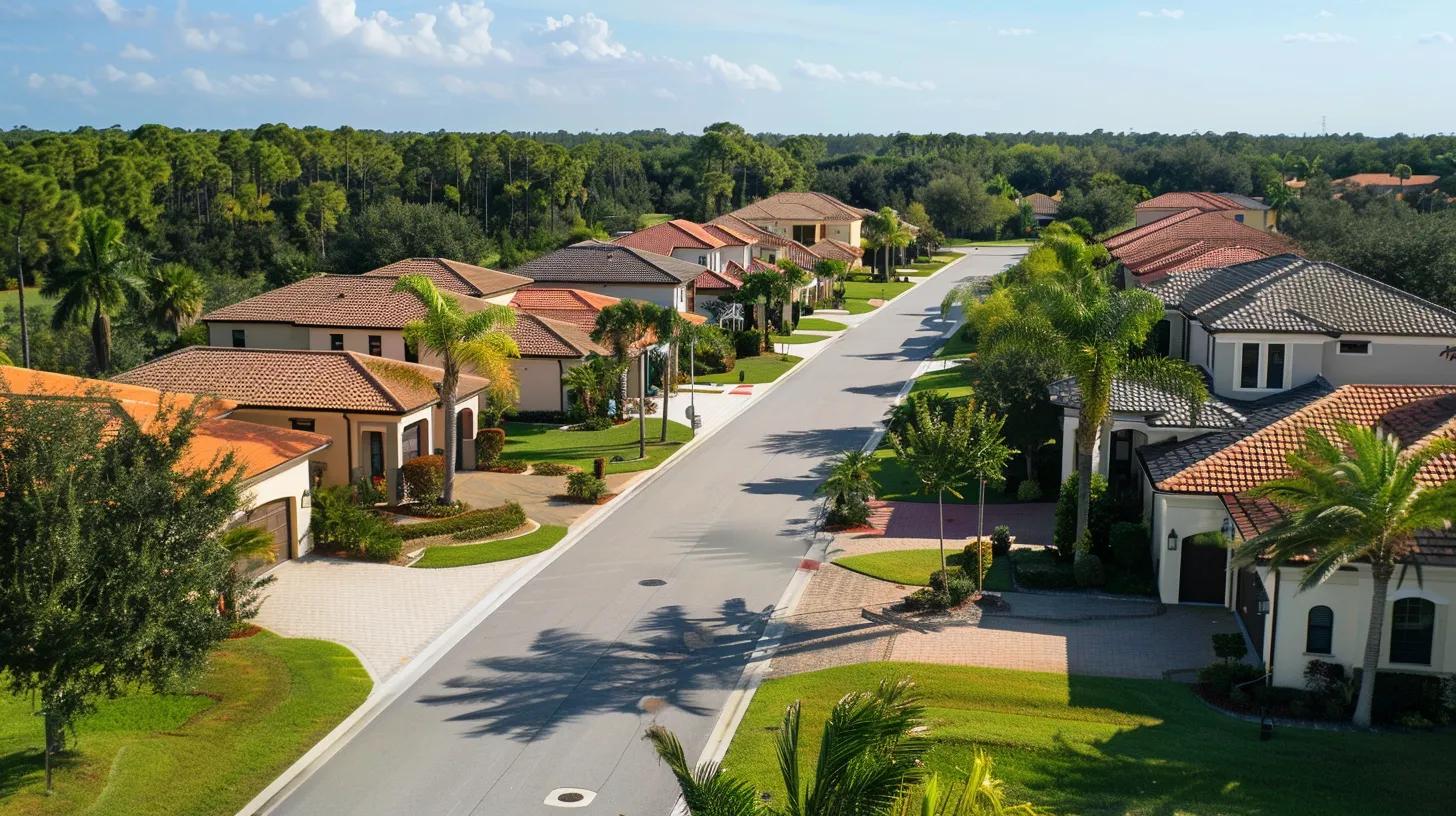
In Charleston, property disputes most often come from contested boundaries, title defects, inheritance issues, landlord‑tenant problems, and contract breaches that interfere with ownership or use. These conflicts typically arise when deeds, surveys, and expectations don’t match—unrecorded transfers, unclear legal descriptions, or shifting land use can create clouds on title or disputed lines. Knowing the usual causes and the evidence that supports each type of dispute helps homeowners and landlords decide whether to negotiate, mediate, or file a lawsuit. Below we list the common dispute types with plain definitions, examples, and immediate steps property owners should consider.
Common real estate disputes Charleston property owners face:
Boundary dispute: A disagreement about where one property ends and another begins, often triggered by old surveys, encroachments, or improvements that cross a line.
Title conflict: Any defect or cloud in the chain of title—an unrecorded deed, a lien, or a competing claim—that threatens clear ownership.
Quiet title action: A court case to remove clouds on title and obtain a judicial declaration of who owns the property.
Landlord‑tenant dispute: Conflicts from lease breaches, unpaid rent, security deposit claims, habitability problems, or eviction proceedings.
Contract breach: Disputes over purchase agreements, closing obligations, or other real estate contracts that may require damages or specific performance.
Inheritance/property dispute: Disputes among heirs, will contests, or partition actions that divide or sell real property after an estate event.
Dispute TypeCommon CausesEvidence & Typical OutcomeBoundary disputeConflicting or outdated surveys; improvements that encroach across linesSurveys, deeds, title abstracts; outcome often re‑survey, negotiated boundary agreement, or court‑ordered boundary determinationTitle conflictImperfect deeds, unrecorded transfers, tax deeds, or liensChain‑of‑title review and title search; outcome typically a quiet title action or lien resolutionQuiet title actionClouded title caused by defects or competing claimsComplaint with chain‑of‑title exhibits and notice; outcome is a judicial decree clarifying ownershipLandlord‑tenant disputeNonpayment of rent, habitability complaints, lease violationsLease, notices, repair requests; outcome ranges from settlement to eviction or damagesInheritance disputeWill contests, intestacy, or disagreements among co‑ownersProbate records, wills, family communications; outcome can be partition, settlement, or court determination
This table shows how each dispute usually presents and the documents that support resolution. Property owners who gather these materials early improve their chances of a favorable result. After identifying the dispute type, the next critical step is choosing the governing law and the proper West Virginia forum.
handling boundary, title, landlord‑tenant, contract, and inheritance disputes across Charleston and the Kanawha Valley gives clients practical, case‑specific pathways whether negotiation or litigation is necessary.
Which Boundary Disputes Affect Charleston Property Owners?
Boundary disputes frequently start when historic deeds don’t match modern surveys, when fences or outbuildings encroach, or when metes and bounds descriptions are vague. Property owners should obtain a current professional survey and compare it against recorded deeds; the survey and photos of any improvements are primary evidence. Solutions range from negotiation and boundary‑line agreements to re‑surveying or filing for boundary determination or quiet title if parties can’t agree. Timelines vary—negotiation and re‑survey can take weeks to months, while litigation in circuit court typically takes longer—so early legal advice helps preserve claims and collect timely evidence.
Survey reports, title abstracts, and clear photographic records are essential to a strong boundary claim because they document both the physical and recorded elements of ownership. If a neighbor disputes the line, consider mediation early to avoid high litigation costs, but be sure to document every step so you’re prepared if court becomes necessary.
How Do Title Conflicts and Quiet Title Actions Work in West Virginia?
Title conflicts occur when the recorded chain of title has gaps, competing claims, or instruments that cloud ownership and reduce marketability. A quiet title action in West Virginia is a civil lawsuit asking the court to resolve those competing claims and clear the public record. Typical steps include a title investigation, preparing a complaint with chain‑of‑title exhibits, serving notice on interested parties, allowing for responses, and holding a hearing where the court issues a judgment resolving the dispute.
Because quiet title suits require precise chain‑of‑title analysis, evidence such as recorded deeds, affidavits, tax records, and any relevant unrecorded documents must be identified and presented. A successful quiet title judgment either clears the record so ownership can be transferred or establishes enforceable boundaries and rights, improving marketability and reducing future risk. That procedural detail is why experienced counsel matters from the outset of a title conflict.
How Does West Virginia Law Govern Real Estate Litigation Cases?
West Virginia law resolves real estate disputes through statutes and common‑law principles that define ownership, adverse possession, landlord‑tenant duties, and available remedies. The state court structure sends many initial landlord‑tenant and small claims to magistrate courts, while more complex matters—quiet title, partition, and significant contract disputes—are handled in circuit courts. Procedural rules control filing, notice, service, and appeal timing, and statutory limits—like adverse possession periods and eviction notice requirements—shape strategy early in a case.
CourtJurisdiction & Filing ThresholdTypical Case Types & RemediesMagistrate CourtLower monetary thresholds with expedited procedures for small claims and evictionsEvictions, security deposit disputes, small contract claims; remedies typically possession or modest damagesCircuit CourtGeneral jurisdiction for civil matters above magistrate thresholds and complex actionsQuiet title, partition, boundary lawsuits, major contract breaches; remedies include declarations, injunctions, and damagesAppellate/Appeal RouteAppeals often move from magistrate to circuit court following appellate rulesReview and correction of legal errors; outcome may modify or return judgments
Choosing the correct forum affects litigation strategy and timing. Some landlord‑tenant matters begin in magistrate court but may escalate to circuit court for broader relief. Knowing which statutes apply—such as landlord‑tenant codes and adverse possession rules—helps owners and counsel design a focused approach.
What Are Key West Virginia Property Laws Relevant to Litigation?
Real estate disputes in West Virginia rely on statutes and doctrines covering adverse possession, quiet title procedures, landlord‑tenant law, and probate when inheritance is involved. Practical consequences include statutory notice periods for eviction, limitations on adverse possession claims, and specific prerequisites for filing quiet title or partition suits. Attorneys review the relevant code sections and case law to determine timing, required notices, and likely defenses, which drives the decision whether to file immediately or complete procedural prerequisites first.
A careful statutory review also reveals evidence thresholds and deadline‑driven actions; missing a filing deadline or required service can forfeit a remedy. Clients benefit from counsel who translates statutes into clear steps—filing correct pleadings, preserving evidence, and choosing the forum that provides needed relief for property interests.
How Do Magistrate and Circuit Courts Handle Real Estate Disputes in Charleston?
Magistrate courts offer a faster, lower‑cost path for landlord‑tenant disputes, small contract claims, and certain ejectment matters, with simplified rules and shorter timelines; remedies are typically limited to possession and modest damages. Circuit courts handle higher‑value and more complex property litigation—quiet title, partition, boundary determinations, and major contract disputes—and can award declaratory judgments, injunctions, and larger damages. Appeals from magistrate court decisions usually move to circuit court under established procedures, and circuit court rulings may be appealed further under appellate rules.
Understanding these differences helps set expectations: a party seeking to clear title or partition land will generally proceed in circuit court, while a landlord seeking possession typically starts in magistrate court. Knowing the likely forum also helps anticipate whether expert evidence, like surveys and title abstracts, will be needed.
How Can a Charleston WV Real Estate Litigation Attorney Protect Your Property Rights?
A real estate litigation attorney protects property rights by conducting a focused investigation, reviewing title and survey records, advising on statutory requirements, negotiating with opposing parties, and—when necessary—filing and litigating claims. Attorneys translate complex documents—deeds, chain‑of‑title records, and survey reports—into legal arguments that secure possession, clear title, or obtain monetary relief, and they manage procedural steps to avoid forfeiting rights. Local counsel coordinates with surveyors, title professionals, and probate specialists to build a comprehensive case that covers both legal and technical issues.
rests on five core strengths: local knowledge, cross‑practice experience, client‑focused service, compassionate but tenacious advocacy, and steady, trusted guidance. Local knowledge informs courtroom strategy; broad experience connects property disputes with probate or contract issues; client‑focused service means clear communication and realistic options; compassion and strength balance sensitive resolutions with vigorous advocacy; and trusted guidance keeps clients informed from investigation through final judgment. Those qualities help clients resolve disputes while protecting long‑term property interests.
Attorney actions that protect property rights include:
Investigating Title and Records: Reviewing chain‑of‑title and identifying clouds, liens, or unrecorded interests.
Coordinating Experts: Engaging surveyors and title professionals to produce admissible reports and testimony.
Negotiating and Mediating: Seeking settlements and boundary agreements to avoid costly litigation when appropriate.
Filing and Litigating Claims: Preparing pleadings for quiet title, boundary determination, partition, eviction, and breach actions.
Enforcing Judgments: Securing and executing orders that confirm ownership or restore possession.
Acting quickly with counsel preserves statute‑dependent rights and puts clients in the best position to resolve disputes—whether by negotiation, technical evidence, or courtroom advocacy.
What Types of Real Estate Litigation Services Does RWK LAW Provide in Charleston WV?
handles a broad range of real estate litigation matters in Charleston and the Kanawha Valley, including boundary disputes, quiet title actions, landlord‑tenant conflicts, contract breaches, and inheritance‑related property disputes. The firm combines local courthouse experience with complementary practices—estate planning and business law—when property issues overlap other legal areas. RWK LAW’s process typically follows investigation, evidence assembly, negotiation, and litigation when necessary. Clients can expect coordinated work with surveyors and title professionals and clear guidance about likely remedies and realistic timelines.
ServiceCommon Client IssueTypical Legal Actions/OutcomeBoundary/Easement DisputesEncroachments or unclear easement rightsCoordinate surveys, negotiate boundary agreements, or file circuit court boundary actionsQuiet Title & Title ConflictsClouded title or competing ownership claimsChain‑of‑title investigation, file complaint, serve interested parties, obtain court judgment clearing titleLandlord‑Tenant LitigationEvictions, security deposit disputes, lease breachesMagistrate filings for possession, representation at hearings, escalate to circuit court for complex reliefContract & Inheritance DisputesBreached sales contracts, will contests, partition needsFile pleadings for breach or partition, coordinate with probate, pursue settlement or judicial resolution
This summary shows RWK LAW’s practical, outcome‑focused approach—investigate, engage experts, negotiate, and, when necessary, litigate—to protect clients’ property rights and marketability.
How Does RWK LAW Handle Boundary and Easement Disputes?
RWK LAW begins boundary and easement matters by collecting immediate evidence: a current professional survey, a review of recorded deeds, and a title examination to confirm legal descriptions and any recorded easements. The firm works with surveyors and title professionals to assemble a factual record and then seeks negotiated solutions—boundary‑line agreements or express easements—when they protect client interests efficiently. If negotiation fails, RWK LAW prepares circuit court litigation, files boundary determination or declaratory relief actions, and presents expert survey testimony to obtain a judicial resolution. Clients receive regular updates about costs, realistic timelines, and potential remedies, which can include injunctive relief or damages for adverse use.
Early survey and title work are essential to a persuasive boundary case; by assembling technical and legal proof, RWK LAW increases settlement leverage and strengthens courtroom presentation to protect ownership and use rights.
What Is RWK LAW’s Approach to Quiet Title Actions and Title Conflict Resolution?
RWK LAW follows a clear, step‑by‑step process for quiet title and title conflict matters to clear ownership records and secure marketable title:
Investigation: Conduct a detailed chain‑of‑title review and identify recorded and unrecorded interests.
Preparation: Draft the complaint and assemble documentary exhibits—deeds, affidavits, and survey evidence.
Service & Notice: Serve all interested parties and publish notice when statutes require to ensure proper adjudication.
Hearing & Evidence: Present documentary proof and expert testimony at hearing to resolve competing claims.
Judgment & Recordation: Obtain a court decree that clarifies title and record the judgment to remove clouds from the public record.
This process clarifies expectations and reduces procedural risk by ensuring statutory steps and evidentiary needs are met; experienced counsel improves the likelihood of a favorable adjudication and reduces delay in clearing title for resale or refinancing.
How Are Landlord-Tenant Disputes Resolved in Charleston WV?

Landlord‑tenant disputes in Charleston commonly involve unpaid rent, security deposit disagreements, habitability issues, lease violations, and unlawful detainer (eviction) proceedings. West Virginia law sets notice requirements and procedural steps for eviction and deposit recovery, and many initial actions proceed in magistrate court where timelines are short and remedies focus on possession and modest damages. Proper documentation—leases, notice letters, repair requests, and payment records—is critical to prosecuting or defending claims; attorneys gather and organize these records and ensure procedural compliance to avoid forfeiting rights.
Below are common landlord‑tenant issues with the primary documents that support each claim.
Nonpayment of Rent: Lease, payment ledger, written notices demanding payment.
Security Deposit Disputes: Move‑in/move‑out reports, repair invoices, written communications about deductions.
Habitability/Repairs: Repair requests, photos, inspection reports, contractor estimates.
Lease Breach/Unlawful Detainer: Lease terms, notices to cure or quit, documentation of violations.
Typical resolution paths: landlords commonly start eviction actions in magistrate court to regain possession quickly, while tenants who raise habitability defenses or deposit claims present documentary evidence and, if necessary, pursue counterclaims. Attorneys help clients meet notice periods, file the correct pleadings, and use settlement negotiations to avoid repeated filings and appeals.
What Common Issues Arise in West Virginia Landlord-Tenant Litigation?
Frequent issues include nonpayment, failure to maintain premises, improper retention of deposits, and disputes over lease terms that can lead to eviction or monetary claims. Timely notices, written complaints, and adherence to statutory timelines determine case strength. Magistrate court remedies are typically limited but effective for possession and small damages, while circuit court can award larger monetary relief or declaratory orders in complex cases.
Preserve communications, receipts, and inspection records immediately—these essential items form the factual core of magistrate and circuit court claims. Early legal guidance prevents procedural mistakes that could forfeit rights and helps prioritize actions that protect tenancy or recover losses.
How Can a Charleston WV Landlord Tenant Lawyer Assist in Evictions and Lease Disputes?
A landlord‑tenant lawyer files eviction complaints, ensures proper service and notice, represents clients at magistrate hearings, and advises on appeals or escalation to circuit court when broader relief is needed. For tenants, counsel evaluates defenses—improper notice, retaliatory eviction, or unresolved habitability issues—and prepares counterclaims to defend tenancy or recover deposits. Attorneys also negotiate lease terminations, structured payment plans, and move‑out settlements that avoid prolonged litigation and added expense.
Prompt engagement of counsel helps both landlords and tenants meet statutory deadlines and gather admissible evidence, increasing the chance of a favorable result and reducing the disruption of eviction proceedings. Attorneys also work with local courts to expedite hearings when urgent possession is at stake.
What Should You Know About Real Estate Contract and Inheritance Disputes in West Virginia?
Real estate contract disputes and inheritance‑related property conflicts often overlap transactional obligations and probate procedures, requiring coordinated strategies across civil and probate courts. Contract breaches may involve purchase agreements, escrow failures, or developer obligations, with remedies ranging from damages to specific performance. Inheritance disputes—will contests, intestacy claims, or partition actions—can divide co‑owned property and often call for probate coordination or judicial partition to resolve ownership and distribution.
Parties facing these disputes should compile executed contracts, closing documents, wills, and probate records to establish rights and obligations; early counsel helps determine whether settlement, mediation, or litigation best protects client interests and which court and pleadings are appropriate. Integrating estate planning and real estate litigation skills improves outcomes when family or probate issues fuel property disputes.
How Are Real Estate Contract Breaches Addressed in Charleston WV?
To prove a breach you must show a valid contract, a material breach, causation, and damages—or that specific performance is appropriate. Evidence includes the signed contract, communications about performance, invoices, and any failed closing documents. Remedies vary: courts may award damages, order specific performance when land is unique, or grant rescission in limited situations. Procedural choices—bringing a claim in circuit court for significant sums or magistrate court for smaller disputes—depend on the contract and the relief sought.
Clients should preserve contract communications and run an immediate title review when a closing is disputed to avoid complications like liens or overlapping claims. Skilled counsel evaluates available remedies and prepares pleadings aligned with client goals and evidence.
What Legal Steps Are Involved in Inheritance Property Disputes in West Virginia?
Inheritance disputes often begin in probate court with will contests or claims by heirs and may move into civil actions for partition or declaratory relief when co‑owners disagree. Key steps include filing timely probate petitions, serving interested parties, conducting discovery into testamentary documents and asset lists, and, if required, seeking partition to divide or sell property among co‑owners. Options such as buyouts, negotiated partitions, or court‑ordered sales resolve disputes when settlement is feasible; otherwise, courts decide ownership and distribution.
Because probate deadlines and procedures are exacting, early coordination between probate counsel and real estate litigators streamlines resolution and preserves remedies like partition or quiet title actions that clarify ownership for heirs and buyers. Prompt legal action reduces the risk of title clouds and shortens uncertainty over estate property.
Frequently Asked Questions
1. What should I do if I receive a notice of eviction in Charleston, WV?
If you get a notice of eviction, act quickly. Review the notice to understand the reason and your deadline to respond, and gather documents such as your lease and payment records. Contact a landlord‑tenant attorney to review your options, negotiate with the landlord, or prepare a defense if the case goes to court. Timely legal advice can materially affect the outcome.
2. How can I prevent boundary disputes with my neighbors?
Prevent boundary disputes by clearly knowing your property lines. Obtain a professional survey, keep it accessible, and communicate openly with neighbors about planned improvements. If issues seem likely, consider a written boundary agreement to formalize expectations. Early communication and good documentation reduce the chance of costly disputes.
3. What are the typical costs associated with real estate litigation in Charleston?
Costs vary by case complexity, attorney fees, court costs, and expert witness expenses. Hourly attorney rates often range from $150 to $500 or more depending on experience and the matter’s complexity. Filing fees, surveys, and title searches add to the total. Discuss fees and likely costs with your attorney up front to plan accordingly.
4. How long does a quiet title action typically take in West Virginia?
A quiet title action can take several months to more than a year, depending on case complexity and the court’s schedule. The process requires filing a complaint, serving notice to interested parties, and possibly a hearing. The number of parties and the need for extra evidence can lengthen the timeline. Experienced counsel helps streamline the procedure and improve the odds of a favorable result.
5. What evidence is needed to support a landlord-tenant dispute claim?
Gather the lease, payment records, written notices about violations or repairs, and any related correspondence. Photos of property conditions, inspection reports, and invoices for repairs also help. The more complete and well‑organized your documentation, the stronger your case—whether pursuing eviction, defending against it, or seeking damages.
6. Can I represent myself in real estate litigation, or should I hire an attorney?
You may represent yourself, but hiring an attorney is strongly recommended for complex disputes. An attorney understands local procedures, legal defenses, and evidence rules and can avoid pitfalls that jeopardize your case. If cost is a concern, consider an initial consultation for guidance or explore local legal aid resources.
7. What role does mediation play in resolving real estate disputes?
Mediation is a useful way to resolve disputes outside court. A neutral mediator helps parties negotiate a settlement that can be faster, less costly, and more flexible than litigation. Mediation often preserves relationships and produces tailored solutions. Many property disputes can be resolved this way, but parties should consult counsel to ensure any agreement protects their long‑term interests.
Need Assistance with a Property Dispute?
If you're facing a real estate litigation matter in Charleston, WV, don't navigate it alone. Our experienced team is here to help.
