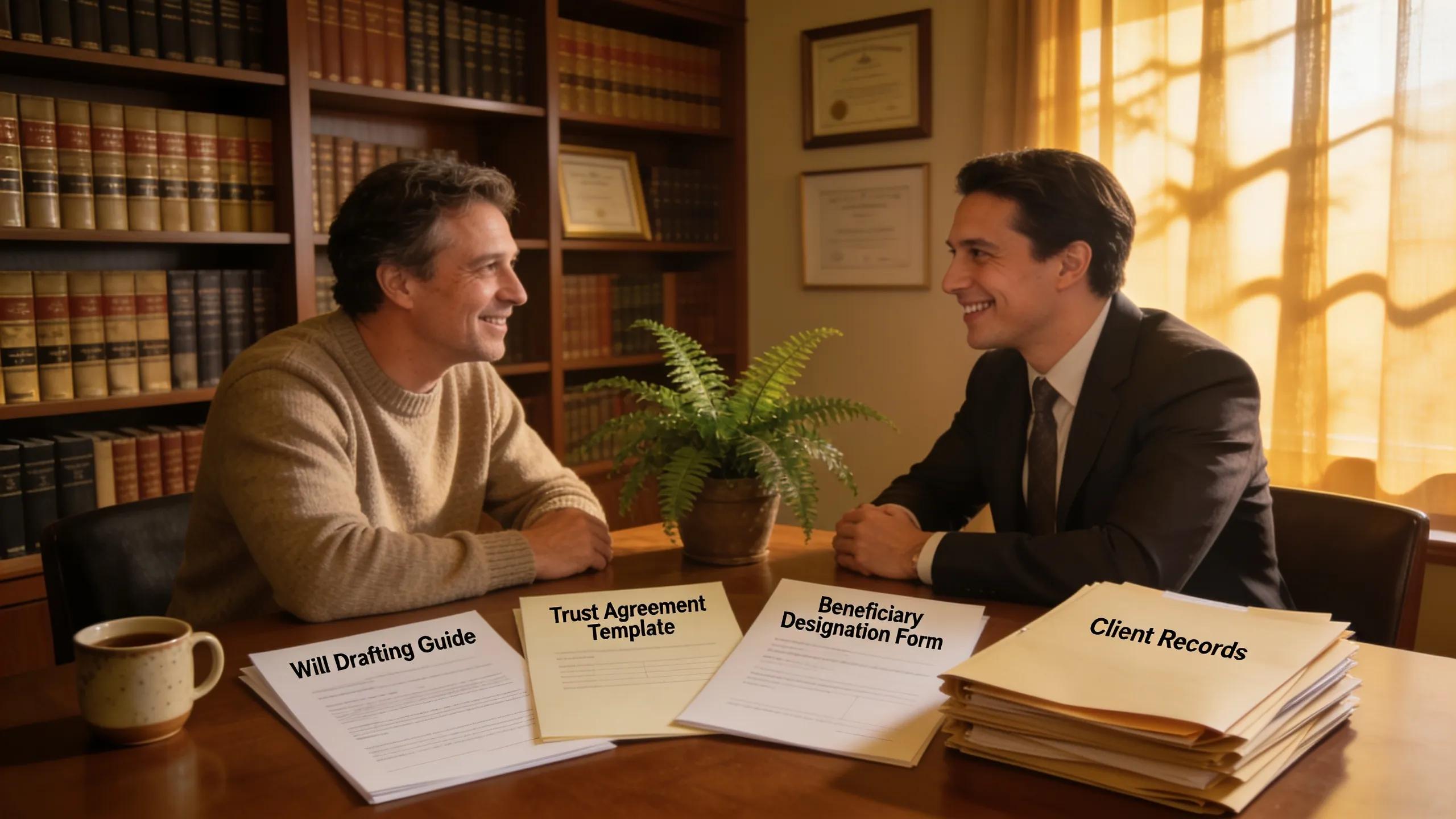
What Documents Should You Bring to an Estate Planning Attorney?
What Documents Should You Bring to an Estate Planning Attorney: Essential Checklist for West Virginia Clients
By Christopher Winton, David Hughart & Mark Kelley — Named Partners, Ray Winton & Kelley
Estate planning involves legal and factual issues, and bringing the right paperwork to a consultation with an estate planning attorney helps the attorney assess your needs quickly. This guide lists the core documents West Virginia clients should bring so the meeting is efficient and productive.
It covers wills, trusts, powers of attorney, healthcare directives, and the financial records your attorney will review to draft or update an estate plan.
If you're just starting the estate planning process, our guide to *Estate Planning in Charleston, WV: Wills, Trusts, and Peace of Mind* explains how wills, trusts, powers of attorney, and other essential documents work together to protect your family and your legacy.
Comprehensive Checklist

Prepare documentation that verifies identity, shows your finances, and lists any existing estate planning instruments so your attorney can evaluate what needs drafting or revision.
Personal Identification Requirements: Bring a current photo ID (driver's license or passport).
Financial Records Needed: Current bank, investment, and retirement account statements.
Estate-Related Documents: Any existing wills, trusts, or powers of attorney.
Having these items ready saves time and lets the attorney focus on legal decisions.
Which Core Estate Planning Documents Are Required for Your Attorney Consultation?
Bring your primary estate instruments so your attorney can confirm they reflect your wishes and comply with applicable law.
Last Will and Testament: States asset distribution and names an executor.
Living Trust: If you have one, bring it so the attorney can review funding and terms.
Powers of Attorney: Financial POA documents that designate an agent.
These allow the attorney to advise on gaps, conflicts, or updates needed to meet your objectives.
What Specific Papers Constitute a Last Will and Testament?
A will records your dispositive wishes and appoints persons to administer your estate. Key elements to bring or be ready to discuss include:
Beneficiaries: Names and relationships of individuals or organizations to inherit.
Executor Appointment: The person you want to serve and any alternates.
Distribution Instructions: Specific bequests and how residual assets should be divided.
Clear information about beneficiaries and executors speeds drafting or revisions.
Which Trust Documents Should Be Presented During Your Estate Planning Meeting?
Trust instruments reveal how assets are managed and distributed; bring any trust agreements and related schedules. Where a family business or ownership interest is involved, these documents can intersect with corporate law matters that also warrant review.
Revocable Trust: Terms, trustees, and funding schedule.
Irrevocable Trust: Trust agreement and beneficiary designations.
Living and Special Needs Trusts: Documents addressing care and benefits preservation for special-needs beneficiaries.
These documents let the attorney identify funding issues, successor trustees, or necessary amendments.
How Do Powers of Attorney and Healthcare Proxies Affect Your Estate Planning Preparation?
Powers of attorney and healthcare proxies name decision-makers if you become incapacitated; include these to ensure coordination with your estate plan.
Financial Management under POA: Bring financial POA forms and any limitation language.
Medical Decision Making: Healthcare proxy and living will documents that state medical preferences.
Preventing Family Disputes: Clear, current documents reduce the risk of conflicts, and where disagreements do arise, mediation can often resolve them without costly litigation.
Reviewing these instruments together ensures agents’ powers and timelines align with your objectives.
What Is a Power of Attorney and Which Papers Should You Bring?
A POA authorizes an agent to act for you. For consultation bring any existing POAs plus identification and financial summaries that illustrate the agent’s responsibilities.
Identification Requirements: Copies of your ID and of any named agents’ contact details.
Financial Information Needed: Account lists and access details the agent may need to manage assets.
Legal Documentation: Existing POA forms to review scope, triggers, and revocation instructions.
Confirm whether the POA is durable, springing, or limited so the attorney can draft appropriate provisions.
Which Healthcare Proxy Forms Are Essential for Your Consultation?
Healthcare directives express treatment preferences and appoint decision-makers. Bring all versions you have so the attorney can ensure they track West Virginia requirements.
Healthcare Directive Examples: Any signed healthcare directives you already use.
Living Will Detailing: Statements about end-of-life care preferences.
Proxy Appointment: Forms that name your healthcare agent and alternates.
These documents let the attorney verify enforceability and consistency with your estate plan.
What Financial and Asset Documents Should You Prepare for Effective Estate Planning?
An accurate inventory of assets helps the attorney design tax-efficient and administrable plans. Bring key financial records.
Account Types Required: Bank, brokerage, retirement, and life-insurance account summaries.
Property Ownership Records: Deeds, titles, and statements showing ownership interests.
Relevant Tax Documents: Recent tax returns and property tax assessments.
Concise account lists and copies of titles speed valuation and funding determinations.
Which Asset and Property Records Support Your Estate Planning Process?
Last Will Importance: Your current will, if any, to reconcile with asset titles.
Trust Documents Necessity: Trust agreements and schedules showing funded assets.
Power of Attorney Roles: Documents showing agents with authority over property.
These records help the attorney recommend funding or re-titling to meet your goals.
How Should You Organize Financial Documentation for Your Attorney Meeting?
Organize documents in a single folder or digital folder and create a short asset inventory so the attorney can review efficiently.
Methods for Document Collection: Group statements, deeds, and legal documents by type.
Creating an Asset Inventory: One-page list with account names, institutions, and approximate balances.
Ensuring All Information is Accessible: Provide contact information for institutions and any login details you choose to share securely.
Clear organization reduces review time and lets the attorney focus on substantive planning.
How Can You Best Prepare for Your Estate Planning Attorney Consultation in West Virginia?
Prepare concise goals and a prioritized list of questions so the attorney can address your top concerns within the appointment time.
Necessary Documents to Gather: Collect wills, trusts, POAs, healthcare directives, and key financial records.
Questions to Ask: Prioritize questions about guardianship, asset distribution, taxes, and incapacity planning.
Goals to Clarify: State your main objectives—asset protection, probate avoidance, beneficiary needs, or tax considerations.
Clear goals allow the attorney to recommend tailored strategies and necessary documents to finalize after the consultation.
What Steps Should Clients Follow to Ensure a Productive Estate Planning Appointment?

Follow a simple preparation process to maximize the appointment’s effectiveness.
Contacting an Attorney: Schedule with enough time to gather documents and list questions.
Gathering Information: Assemble the checklist items and any prior legal documents.
Reviewing and Updating Documents: Note changes in family, assets, or wishes to discuss with counsel.
Being organized and proactive results in clearer advice and faster implementation.
Are There West Virginia-Specific Considerations for Estate Planning Documents?
State law affects execution formalities, recognized documents, and potential tax concerns. Bring any documents executed in other states so the attorney can confirm validity under West Virginia law.
Core Documents Needed: Confirm that wills, powers, and trusts meet state signing and witness requirements.
Tax Implications: Discuss state tax rules that may affect estate strategies.
Legal Compliance: Ensure beneficiary designations and titling conform to West Virginia law.
Common Misconception—A Will Avoids Probate: Some West Virginia residents may mistakenly believe that having a will allows their family to skip probate entirely. In fact, assets titled solely in the decedent's name generally still pass through the West Virginia probate process even with a valid will, and disputes among heirs during that process can sometimes require civil litigation to resolve. A properly funded revocable living trust can help avoid probate for certain assets, depending on how those assets are titled and funded into the trust.
Out-of-State Wills and Trusts: Clients who moved to West Virginia or acquired property here sometimes bring a will or trust drafted under another state's law, assuming it will apply the same way locally. These documents should be reviewed to confirm they satisfy West Virginia's signing, witness, and titling requirements—otherwise re-execution or amendment may be needed to keep them enforceable.
Local counsel can identify procedural issues and recommend state-compliant drafting or re-execution where needed. Our attorneys handle a broad range of practice areas beyond estate planning, including family law matters and employment disputes that can intersect with an estate plan, and you can learn more about our firm. If you're ready to review your documents with an attorney, contact us to schedule a consultation.
