Effects of No Will in WV - Insights from a Probate Lawyer
What Happens If Someone Dies Without a Will in West Virginia?
By Christopher Winton, David Hughart & Mark Kelley — Named Partners, Ray Winton & Kelley
Dying without a will (intestacy) means state statutes, not the decedent’s written wishes, determine who receives property. In West Virginia, intestate succession rules set the order for distribution, probate procedures identify assets and pay debts, and family members’ legal rights follow statutory formulas. Understanding these basics helps families anticipate outcomes and address disputes.
Probate is the court process used to administer an estate when no valid will exists: it identifies assets, notifies creditors, settles debts, and distributes remaining property under intestacy law. The sections below summarize West Virginia’s succession framework, key probate steps, likely effects on heirs, and how Ray Winton Kelley PLLC assists clients in navigating these matters.
Intestate Succession Laws
West Virginia statutes establish a hierarchy of relatives who inherit when there is no will, generally prioritizing the surviving spouse and children, then parents, siblings, and more distant relatives if necessary.
Spouses and Children: Typically inherit the estate first.
Parents and Siblings: In the absence of spouse or children, parents or siblings may inherit.
Distant Relatives: If no close kin exist, more remote relatives may be next in line.
The statutory order provides a predictable method for distribution when no testamentary instructions exist.
Probate Process
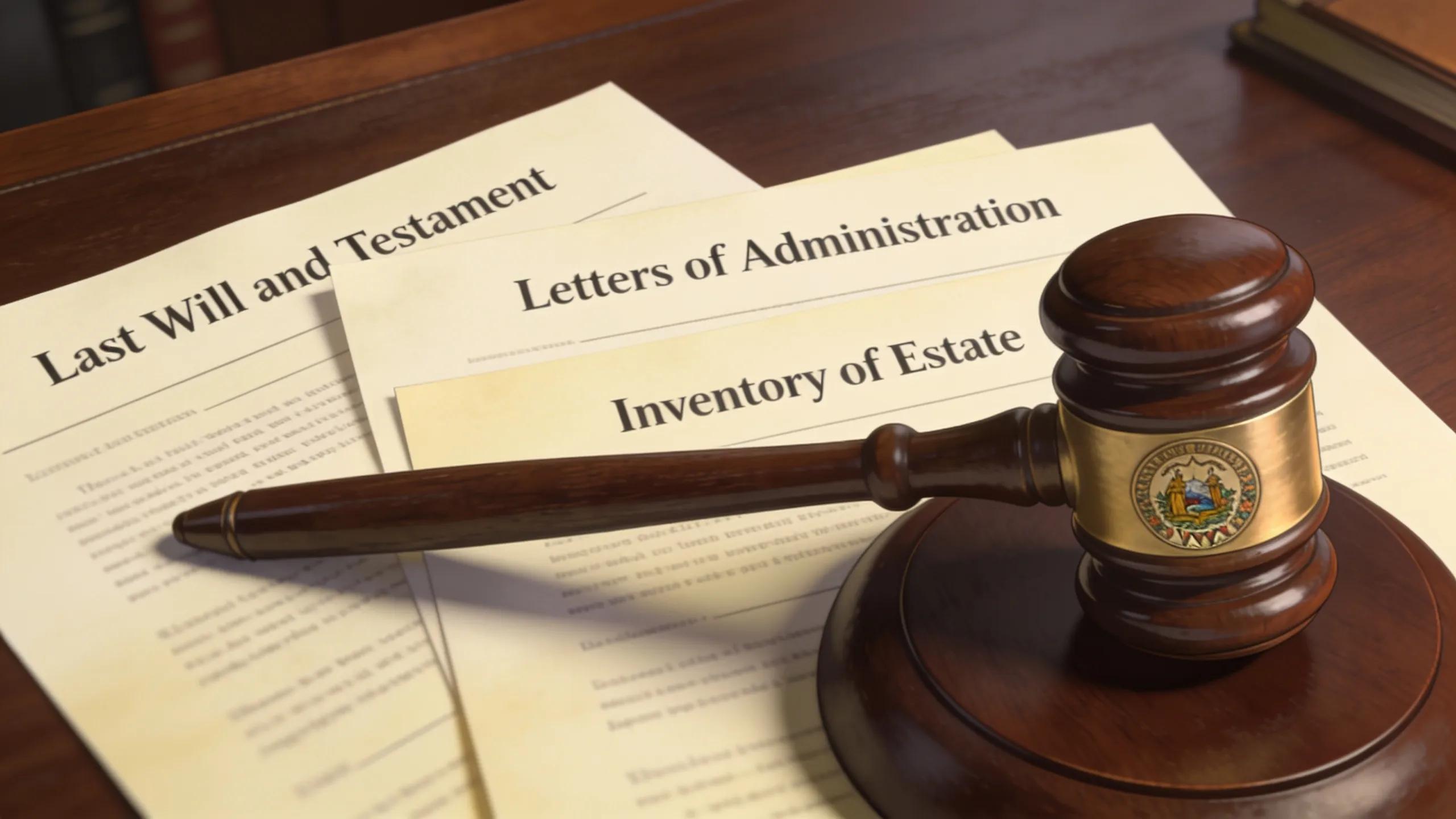
When no will exists, the court oversees administration under intestacy rules. The process follows clear stages designed to identify assets, satisfy liabilities, and distribute the residue to heirs.
Filing a Petition: A petition opens the probate case in the county court.
Appointment of a Personal Representative: The court appoints a representative to administer the estate.
Distribution of Assets: After debts and taxes are settled, assets are distributed per intestacy law.
Following these steps and timelines helps ensure the estate is administered lawfully and predictably.
How Is an Executor or Administrator Appointed in West Virginia Probate Court?
A petitioner files a probate petition and documents establishing the relationship and priority to serve; the court then appoints a competent adult not disqualified by statute. The personal representative has fiduciary duties such as notifying creditors, paying taxes, and administering assets for the benefit of heirs.
What Is the Timeline and Procedure for Estate Administration Without a Will?
Administration time varies with estate complexity, creditor claims, and disputes; many cases close within several months to a year, though contested matters can take longer. Typical stages include filing initial documents, a creditor-notification period, and distribution once claims are resolved.
Implications for Heirs
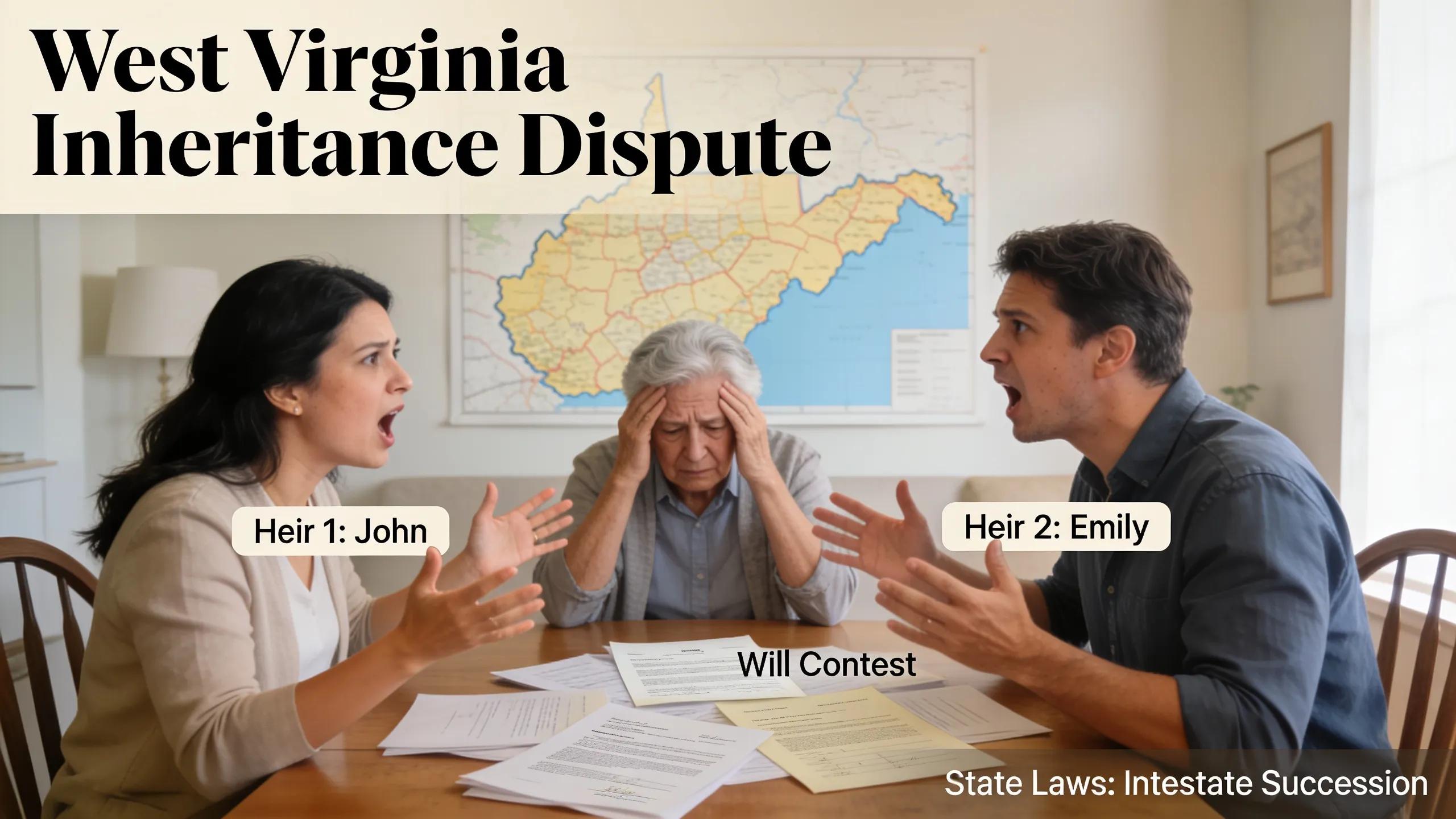
Heirs should expect that statutory distribution may not match any unexpressed wishes of the decedent and that conflicts can arise. Common consequences include family disputes, extended and costly probate, and asset distributions that some relatives find unsatisfactory.
Family Disputes: Intestacy often prompts disagreements over entitlement.
Length and Costs of Probate: Administration can be time-consuming and expensive when contested.
Misalignment of Assets: Assets may pass to relatives the decedent might not have chosen.
Because of these risks, consulting experienced probate counsel is generally advisable to protect heirs’ interests and to manage conflicts. Many of these complications can be reduced or avoided through proactive estate planning. A will and other estate planning documents can give individuals greater control over how assets are distributed and who is responsible for managing their affairs.
How Does Intestate Succession Work Under West Virginia Law?
The state uses statutory formulas that account for surviving spouses, children, parents, siblings, and more distant kin to allocate the decedent’s property, taking into account the family structure and dependents.
Who Inherits When There Is No Will in West Virginia?
Priority typically goes to the surviving spouse, then children; if no immediate family exists, parents or siblings may inherit, followed by more remote relatives in descending kinship.
A spouse usually has the leading claim, often followed by children.
If no immediate family exists, the estate may pass to parents or siblings.
Absent close relatives, more distant kin inherit in statutory order.
These rules aim to reduce uncertainty and provide a clear distribution path.
What Are the Rights of the Surviving Spouse and Other Heirs?
A surviving spouse and children have defined rights under statute: spouses typically receive a prescribed share (often comparable to a child’s share), children inherit equally, and if no children exist, parents or siblings receive shares as specified by law.
Distribution Rights of Surviving Spouses: Spouses are generally entitled to a specified portion of the estate.
Equal Inheritance for Children: Children share equally when they are beneficiaries.
Rights of Parents and Siblings: If children are absent, parents or siblings inherit per statutory rules.
These entitlements provide legal clarity for distributing assets under intestacy.
What Options Exist to Resolve Probate Disputes Without a Will in West Virginia?
Disputes often stem from competing claims or disagreements about family status or intent. Alternative dispute resolution can limit cost and delay compared with litigation.
How Can Mediation Help Settle Inheritance Conflicts?
Mediation offers a neutral forum where a facilitator helps heirs negotiate a voluntary resolution, often saving time and expense and giving parties more control over outcomes.
Benefits of mediation include:
Cost-Effectiveness: Generally less expensive than court.
Faster Resolutions: Typically quicker than litigation.
Control Over Outcomes: Parties retain input into agreements.
For mediation services, see mediation.
When Should You Consult a Probate Attorney in Charleston, West Virginia?
Engage a probate attorney when intestacy raises complex issues or disputes. Prompt counsel is particularly important for complex family structures, large estates, or unresolved disagreements that may require legal or mediated intervention.
Complex Family Structures: Contested or unclear relationships.
Large Estates: Significant assets that require careful administration.
Unresolved Debates: When parties cannot agree and legal guidance is needed.
An experienced attorney provides analysis, representation, and guidance; to arrange a consultation, visit the firm’s contact page.
How Does Ray Winton Kelley PLLC Support Clients Facing West Virginia Intestate Succession?
Ray Winton Kelley PLLC offers tailored counsel to clients dealing with intestate succession, delivering practical solutions grounded in local law and client communication.
Key aspects of their support include:
Expert Legal Guidance: Clear advice on probate and intestacy law.
Emphasis on Communication: Clients are kept informed throughout the process.
Local Knowledge: Experience with Charleston-area procedures and courts.
For more about the firm, review the firm's background.
What Personalized Probate Legal Services Does Ray Winton Kelley PLLC Provide?
The firm offers personalized probate services for intestate estates, including estate administration guidance, mediation-focused dispute resolution, and litigation when necessary.
Estate Administration Guidance: Help navigating filings and fiduciary duties.
Dispute Resolution Services: Mediation to resolve conflicts before trial.
Legal Representation: Courtroom advocacy when required.
These services are designed to help clients manage probate matters efficiently and protect their legal interests.
How Does the Firm Integrate Mediation and Litigation for Effective Estate Resolution?
The firm prepares clients for both mediation and litigation, educating them about options, preparing cases thoroughly, and adapting strategies to achieve the best resolution for each matter. See the firm’s practice areas for details.
Frequently Asked Questions
1. What steps should be taken immediately after a loved one dies without a will in West Virginia?
Confirm intestacy, gather key documents (wills, deeds, debt records), and contact a probate attorney to begin filings and protect estate assets.
2. Can a person challenge the intestate distribution of an estate in West Virginia?
Yes; challenges may be based on undue influence, fraud, or disputed family relationships and typically require substantial evidence and experienced counsel.
3. How does property ownership impact intestate succession?
Ownership form matters: assets solely titled to the decedent are probated, while jointly held property or assets in trust often pass outside probate to co-owners or named beneficiaries.
4. Are there tax implications for heirs inheriting under intestate succession?
West Virginia has no inheritance tax, but heirs may face capital gains tax on sales, and federal estate tax can apply to large estates; consult a tax adviser for specifics.
5. What should I look for when choosing a probate attorney in West Virginia?
Look for demonstrated probate experience, communication skills, references, and an approach that fits your family’s needs.
6. Can heirs receive a portion of the estate before the probate process is completed?
Preliminary distributions may be allowed when the estate has sufficient liquidity and the personal representative acts within fiduciary duties; legal guidance helps ensure appropriateness.
7. How can families avoid disputes when someone dies intestate?
Encourage clear estate conversations while alive, document intentions, and consider mediation after death to resolve disagreements amicably and preserve relationships.
